

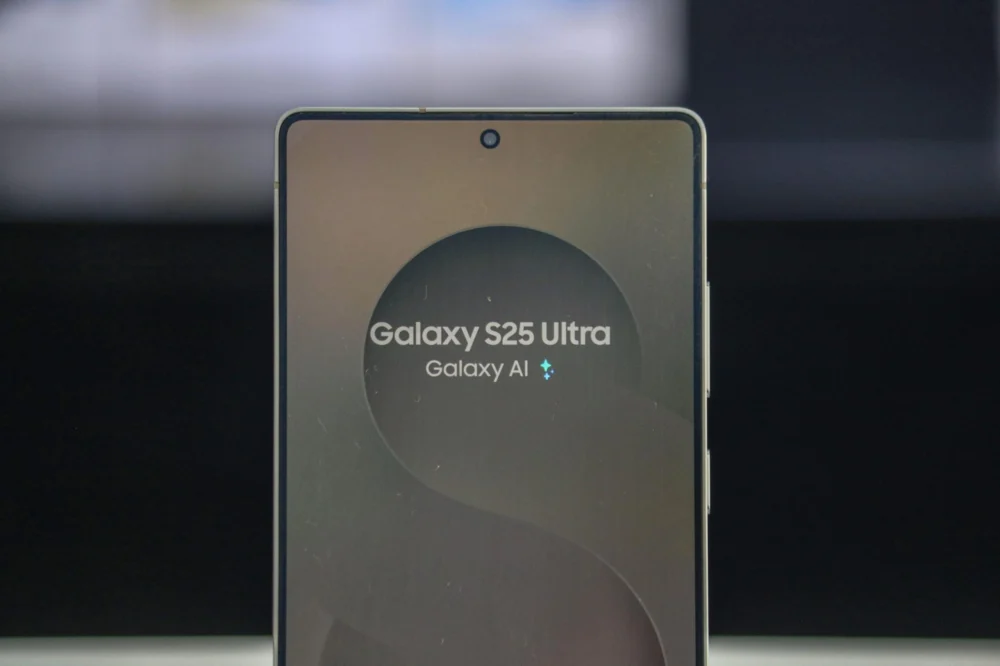
The global smartphone market is currently navigating a period of profound structural change, driven not by a lack of consumer interest, but by a fundamental shift in the underlying supply chain that powers modern mobile computing. For years, Samsung Electronics has maintained its dominance in the premium segment through a sophisticated combination of hardware leadership and aggressive promotional cycles. However, as the industry looks toward the launch of the Galaxy S26 series, a confluence of macroeconomic factors and technological shifts suggests that the era of the "easily discounted" flagship may be coming to a close. The anticipated price increase for the Galaxy S26 Ultra is not merely a localized adjustment; it is a symptom of a larger, more volatile reality in the semiconductor industry that threatens to upend the very marketing strategies that made Samsung a household name.
At the heart of this disruption lies the unprecedented demand for memory—both DRAM and NAND flash—fueled by the global generative AI revolution. While consumers often view AI through the lens of chatbots and image generators, the physical infrastructure required to support these models is immense. Data centers are currently engaged in a massive build-out, vacuuming up every available gigabyte of high-performance memory to train and run Large Language Models (LLMs). This has created a "crowding out" effect in the semiconductor foundries. When factory floor space is limited, silicon giants must choose between producing high-margin enterprise memory for AI servers or lower-margin consumer-grade memory for smartphones. Predictably, the industry has pivoted toward the former, leading to a tightening of supply and a subsequent spike in component costs for mobile manufacturers.
This reality was recently acknowledged by Samsung Electronics co-CEO TM Roh. During the 2026 Consumer Electronics Show (CES), Roh offered a candid assessment of the landscape, noting that the pressure of the global memory shortage is a universal burden that "no company is immune" to. His characterization of a price hike for upcoming hardware as "inevitable" serves as a significant departure from the typically guarded language used by executives ahead of major product launches. It signals to the market—and to the consumer—that the cost of innovation is rising faster than the efficiencies of scale can mitigate.
For the Galaxy S26 Ultra, the flagship expected to carry the heaviest burden of these costs, the implications are twofold. First, there is the direct retail price. Current industry projections suggest a price hike ranging from $30 to over $60 per unit. While a $60 increase on a device that already nears the $1,300 mark might seem incremental to some, it pushes the S26 Ultra further into a "luxury" tier that begins to test the limits of consumer elasticity. If the base model starts at roughly $859 and the Ultra variant climbs toward $1,359, Samsung risks alienating the upper-middle segment of the market that has historically been the backbone of its high-volume sales.
However, the more significant risk—the "side effect" that could redefine the brand’s relationship with its loyalists—is the potential death of the aggressive promotional ecosystem. Samsung has long been known for its "hyper-aggressive" deals. Unlike its primary competitor, Apple, which maintains strict price parity and rarely offers direct discounts, Samsung has historically used its scale to offer massive trade-in bonuses, instant rebates, and its signature "double storage" pre-order incentive. This latter deal, which allowed customers to purchase a 512GB model for the price of a 256GB model, has become a cornerstone of the Galaxy launch experience.
In a climate where NAND flash prices are skyrocketing, the "double storage" deal becomes an enormous financial liability. Giving away an additional 256GB of storage for free is no longer a manageable marketing expense; it is a direct hit to a profit margin that is already being squeezed by rising raw material costs. If Samsung is forced to retire this promotion, the perceived value of the Galaxy S26 Ultra at launch will plummet in the eyes of deal-savvy consumers who have been conditioned to wait for these specific windows of opportunity.
To understand the severity of this shift, one only needs to look at the historical data of the Galaxy S25 Ultra. During peak promotional periods like Black Friday, Samsung was able to slash the price of the 512GB S25 Ultra to approximately $859.99—a staggering discount that often included a $400 flat reduction without requiring a trade-in. Achieving a sub-$900 price point for a top-tier flagship with high memory capacity is a masterclass in market penetration. If the S26 Ultra launches at a higher base price and is stripped of these deep discounts, the "real-world" price paid by the consumer could effectively rise by several hundred dollars overnight.

This creates a strategic vacuum. If Samsung cannot compete on hardware discounts, how does it maintain its market share? The answer likely lies in a pivot toward "soft" value. We are already seeing the early stages of this transition. In recent months, Samsung has increasingly leaned into software-based value adds, such as gifting 12-month subscriptions to premium AI services like Perplexity Pro. This follows a long-standing tradition of bundling subscriptions to services like Disney Plus, Adobe Lightroom, or SiriusXM. From a corporate perspective, digital bundles are far more attractive than hardware discounts; they have a negligible marginal cost and often involve partnership deals that are mutually beneficial.
However, there is a limit to how much a software subscription can compensate for a higher monthly device payment. A free year of a streaming service does not hold the same tangible weight as a $400 discount on a piece of hardware that the consumer will hold in their hand for the next three to four years. This brings us to the more controversial strategy currently being weighed within the halls of Samsung’s headquarters: the cross-subsidization of product lines.
Reports suggest that Samsung is considering raising the prices of its mid-range Galaxy A-series to keep the flagship Galaxy S26 series more competitive. This is a high-risk gamble. The A-series is the volume driver for Samsung in emerging markets and among budget-conscious consumers in the West. By increasing the price of the A56 or A36 to protect the price point of the S26, Samsung risks opening the door for Chinese manufacturers like Xiaomi, OnePlus, and Motorola to seize the "value" crown. If the entry-level experience becomes too expensive, the entire ecosystem suffers, as there are fewer users to eventually "up-sell" into the Ultra category.
Furthermore, the industry must reckon with the "AI tax" that is becoming a permanent fixture of device manufacturing. On-device AI requires more than just high-speed memory; it requires more powerful Neural Processing Units (NPUs) and more sophisticated thermal management systems to handle the heat generated by local processing. Every "Galaxy AI" feature that Samsung advertises adds a invisible cost to the bill of materials (BOM). As long as the industry remains in an AI arms race, the pressure to include more powerful—and more expensive—silicon will only intensify.
The expert consensus suggests that the smartphone market is reaching a point of "peak hardware." When every flagship has an incredible screen, a professional-grade camera, and a battery that lasts all day, the only remaining levers for competition are software features and price. By losing the ability to pull the price lever, Samsung is being forced to innovate in ways that are not yet fully proven to drive consumer behavior. Will a user choose a Galaxy S26 Ultra over an iPhone 17 Pro because of a specific AI feature, even if the Samsung device is now more expensive and harder to find on sale?
The future impact of this pricing trend will likely be a lengthening of the consumer upgrade cycle. If the "great deals" disappear, users will naturally hold onto their devices for longer. A consumer who might have upgraded every two years when they could trade in their old phone for a $0-down deal might now wait four or five years. This, in turn, forces manufacturers to focus more on services and subscriptions to maintain revenue—a shift that Apple has already successfully navigated but one that Samsung is still perfecting.
As we approach the official unveiling of the Galaxy S26 Ultra, the narrative is no longer just about megapixels or processor clock speeds. It is a story about the global economy, the physical limits of silicon production, and the end of the promotional era. Samsung is walking a tightrope between maintaining its premium brand image and staying accessible to its core audience. The "risky side effect" of the S26 price rise is not just a quieter Black Friday; it is a fundamental reset of what it means to buy, own, and upgrade a flagship smartphone in the age of AI. The decisions made in the coming months will determine whether Samsung can retain its crown or if the burden of the AI boom will create an opening for a new era of competitors to redefine the market.
