

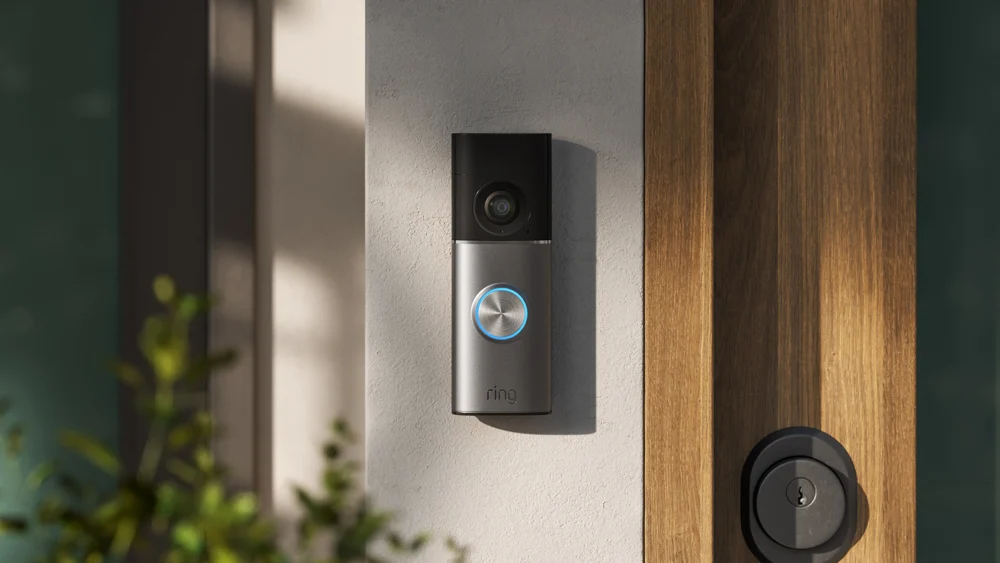
Amazon’s Ring subsidiary is undergoing a comprehensive strategic evolution, moving decisively beyond its established role as a provider of video doorbells and exterior security cameras to become a foundational operating system for integrated home safety, environmental monitoring, and third-party application services. This significant platform expansion introduces a new suite of Ring Sensors focused on environmental and utility monitoring, the crucial integration of fire and disaster alerts, sophisticated AI-driven behavioral anomaly detection, and the launch of an application store designed to foster a robust developer ecosystem around the Ring hardware base. This pivot is not merely an incremental product update; it represents Amazon’s determined effort to solidify Ring as the indispensable nexus of the connected domicile, capturing critical data streams and control points that extend far deeper into the home’s infrastructure than ever before.
Comprehensive Environmental and Utility Monitoring: The Next-Generation Sensor Suite
The most tangible evidence of this strategic reorientation is the introduction of the advanced Ring Sensor lineup. Where previous Ring accessories primarily focused on intrusion detection—such as detecting motion, door/window openings, or glass breakage—the new sensors integrate an array of complex environmental detection capabilities. These devices are engineered to detect life-safety hazards such as smoke and carbon monoxide (CO) levels, moving Ring directly into the highly regulated and critical domain of fire safety. Furthermore, the sensors extend utility monitoring capabilities, incorporating leak detection, precise temperature change monitoring, and air quality analysis.
This shift from purely security-focused hardware to holistic environmental monitoring carries profound industry implications. By integrating features like air quality and temperature tracking, Ring effectively enters the wellness and utility management sectors, positioning its system against specialized, single-purpose environmental monitors and potentially competing with established HVAC and utility providers. The ability to monitor temperature fluctuations and detect leaks offers tangible benefits in energy efficiency and property protection, moving Ring from a reactive security tool to a proactive risk management system. Moreover, the integration of smart controls—allowing users to manage networked lighting and appliances via the sensor data—underscores the ambition to control the ambient environment within the home, not just the perimeter access.
Expert analysis suggests that this integration is crucial for market dominance. Consumers increasingly seek consolidated platforms that manage multiple aspects of home functionality without requiring disparate apps or proprietary hubs. By consolidating security, fire safety, environmental health, and basic appliance control under the Ring umbrella, Amazon is constructing a powerful, sticky ecosystem that is difficult for competitors to dislodge.
The Power of Predictive Security: AI and Anomaly Detection
A critical component of Ring’s platform upgrade resides in its enhanced artificial intelligence capabilities, specifically the introduction of “AI Unusual Event Alerts.” This feature represents the evolution of video surveillance from simple object recognition (e.g., detecting a person or a package) to sophisticated behavioral pattern analysis. The AI system is designed to learn the normal, everyday rhythm and cadence of a property—the typical times for deliveries, resident departures, and neighbor activity—and then flag deviations from these established norms.
The system goes beyond mere motion detection. By analyzing contextual data—including the location of a detected person, their specific actions, and even characteristics like clothing—the AI aims to surface nuanced warnings. For instance, a person standing motionless near a vehicle at 3:00 AM, wearing unfamiliar attire, triggers a significantly higher priority alert than the usual mail carrier. This ability to contextualize human behavior based on learned proprietary patterns is highly valuable, elevating security from reactive recording to proactive, predictive intervention.
For subscribers utilizing Amazon’s specialized Virtual Security Guard services, these highly contextualized warnings can initiate automated intervention protocols. This synergy between advanced AI and human monitoring is pivotal. While AI excels at rapid detection and anomaly flagging, human guards provide critical assessment and immediate escalation to emergency services or direct communication. This layered approach leverages recent advancements in video recognition technology, which have already seen features rolled out enabling specific video cues to trigger customized Alexa responses and personalized notifications based on a database of recognized faces. The continuous refinement of these AI features solidifies Ring’s dominance in the personalized, data-driven security space, albeit raising ongoing concerns about the extent of data collection and algorithmic bias inherent in behavioral surveillance systems.
Building an Ecosystem: The Strategic Launch of the Ring App Store
Perhaps the most significant long-term strategic move is the launch of an application store within the Ring ecosystem. This move transforms the Ring platform from a closed, Amazon-centric service into an open (or semi-open) software environment, a prerequisite for achieving true platform status in modern technology markets. Initially available exclusively in the U.S., the App Store will allow users to connect their Ring cameras and sensor data with third-party applications.
While Amazon has indicated that the initial selection of apps will focus on augmenting small business operations and simplifying everyday household needs, the underlying purpose is much broader: to increase the utility and flexibility of the installed Ring hardware base. For small businesses, this could mean integrations with inventory management, specialized monitoring during off-hours, or time-clock functionality driven by security feeds. For residential users, the potential integrations are vast, ranging from linking security events to home automation routines (e.g., turning on specific lights when a certain person arrives) to specialized neighborhood watch tools.
The industry implications of opening the Ring platform are profound. In the ongoing battle for smart home dominance, where interoperability standards like Matter and Thread are vying for control, Amazon is ensuring that even if the hardware layer becomes standardized, it maintains control over the user interface and the data integration layer. By hosting the App Store, Amazon creates a valuable bottleneck, mediating access between the installed base of millions of Ring devices and third-party innovators. This strategy mirrors the successful ecosystem models pioneered by smartphone giants, cementing Ring’s role as the central hub and revenue generator for third-party service providers operating within the home.
Critical Infrastructure and Reliability: The Role of Amazon Sidewalk
The effective deployment of life-safety devices—such as the new smoke and CO detectors—demands uncompromising reliability. A critical weakness in traditional Wi-Fi-dependent smart home devices is the potential for connectivity loss during power outages or router failures. Amazon has engineered its ecosystem to mitigate this risk through the continued expansion and utilization of Amazon Sidewalk.
Sidewalk is a shared network feature that leverages a tiny portion of a user’s internet bandwidth, creating a low-bandwidth, long-range mesh network between participating Amazon devices, including Echo speakers and Ring products. This ensures that new devices, including the crucial environmental sensors, can maintain connectivity and transmit critical alerts even if the primary Wi-Fi router is temporarily disabled or out of range. For a fire or carbon monoxide alert, this failover capability is indispensable, transforming Sidewalk from a convenience feature into a critical infrastructure component for emergency response.
However, the expansion of Sidewalk to support these new, deeply integrated sensors intensifies ongoing debates surrounding privacy and decentralized network ownership. While Amazon encrypts the data passing through Sidewalk and emphasizes that bandwidth usage is minimal, the concept of sharing network capacity for a mesh service that covers potentially wide areas raises complex questions regarding data jurisdiction, security vulnerability, and user consent, particularly as the network now carries sensitive, real-time life-safety data.
Addressing Macro-Level Threats: Integrating Disaster Monitoring
Recognizing the escalating threat of environmental disasters, particularly the increased frequency and severity of wildfires in drought-affected areas, Amazon has strategically partnered with external monitoring services to enhance its community alert system. The collaboration with Watch Duty, a specialized fire monitoring application, allows Ring to integrate real-time updates and early warnings directly into the Ring app’s Neighbors section.
This integration transforms the Neighbors platform from a localized hub for petty crime reports and package theft into a functional disaster preparedness and resilience tool. Users gain immediate access to verified, hyper-local information regarding active fires or severe weather events that may pose an immediate threat. Crucially, the platform also enables users to contribute real-time, live video updates from their Ring cameras to the Neighbors section, providing invaluable ground-truth situational awareness to both the community and emergency responders. This strategy positions Ring as a core participant in community safety infrastructure, leveraging its massive installed base for collective defense against larger, macro-level threats.
Extending the Perimeter: The Move into Vehicle Security
Further illustrating Ring’s expansionist ambitions is the simultaneous launch of the new Ring Car Alarm, equipped with built-in GPS capabilities for enhanced vehicle monitoring. This product launch signifies that Amazon views the "home perimeter" not as a fixed boundary defined by the physical structure, but as a fluid, asset-centric concept that includes high-value possessions often parked nearby.
Integrating GPS tracking with security alarm functions allows the Ring platform to extend its protective services into the realm of mobility. This development directly competes with existing specialized car alarm and telematics services, offering Ring subscribers a consolidated, single-app experience for monitoring both their fixed property and their vehicles. This move highlights a future trend where major smart home platforms will increasingly seek to manage and secure all consumer assets, regardless of location, driving convergence between traditional home security and automotive telematics markets.
Future Impact and Expert Synthesis
The convergence of these features—the expanded sensor capabilities, the deep AI integration, the App Store, and the reliability provided by Sidewalk—signals Amazon’s commitment to evolving Ring into a comprehensive Protective Layer OS. This platform aims not just to observe and record events, but to actively manage risks, optimize the living environment, and serve as the primary interface for external services and third-party applications.
The financial and regulatory implications of this transformation are substantial. By capturing environmental data (air quality, CO, leaks), Ring amasses incredibly valuable datasets that could be monetized or utilized for highly personalized services, potentially extending into home insurance underwriting or specialized maintenance contracts. The ability to verify the proactive installation and operational status of fire and leak sensors could dramatically impact insurance premiums and risk assessment models.
Looking ahead, the primary challenge for Amazon will be navigating the regulatory and public scrutiny surrounding privacy and data control. As Ring becomes indispensable for life-safety functions, the public expectation for transparency, data security, and protection against misuse will escalate. Success hinges on Amazon’s ability to foster a trustworthy, interoperable, and highly reliable platform that delivers predictive security and comprehensive environmental management, ultimately solidifying its position as the undisputed infrastructural backbone of the twenty-first-century smart home.
