

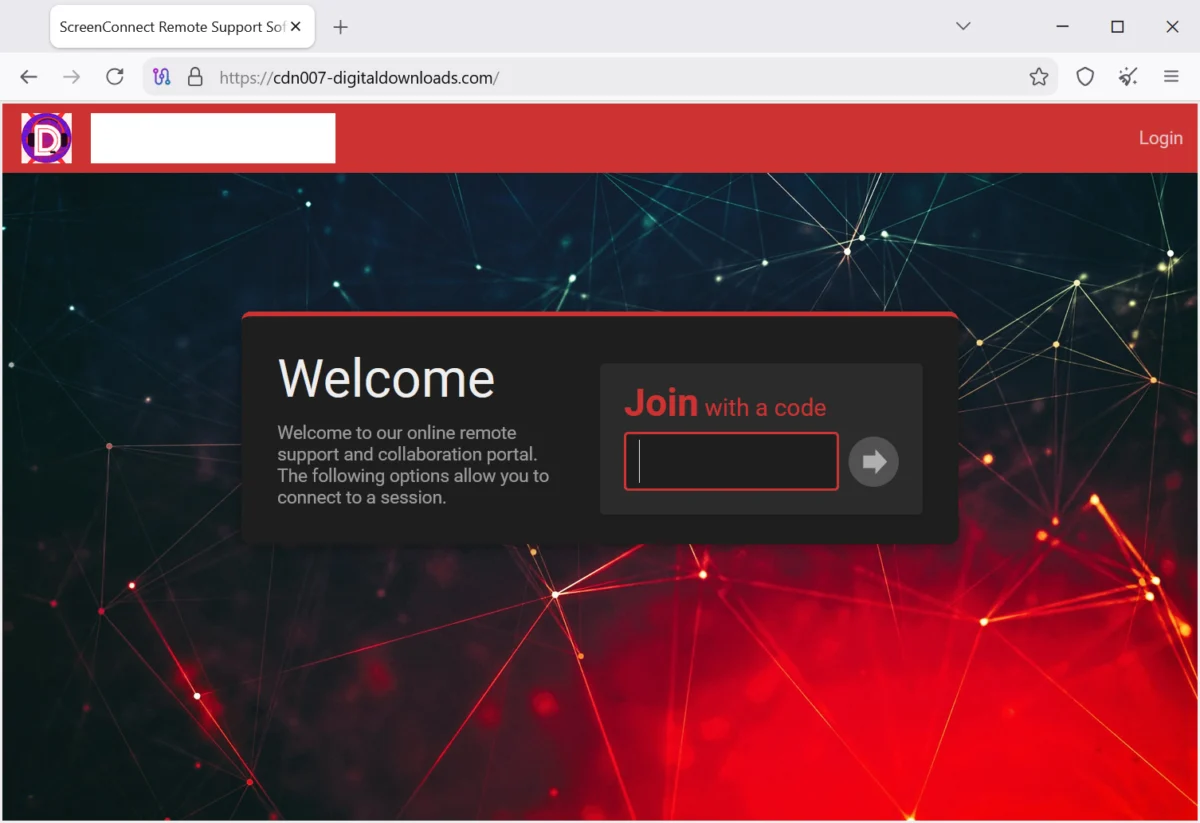
The cybersecurity landscape faces yet another sobering reminder of the inherent risks tied to digital supply chains following the discovery of an active, highly targeted campaign leveraging compromised ConnectWise ScreenConnect environments. Threat actors have successfully weaponized the administrative tools of multiple managed service providers (MSPs), turning trusted remote monitoring and management infrastructure into a conduit for deploying unauthorized access clients across dozens of downstream customer organizations. This unfolding incident underscores a persistent and dangerous reality in modern corporate security: the software and administrative platforms engineered to protect and maintain networks can, when subverted, become the most efficient vectors for widespread intrusion.
The operation came to light when security researchers at Huntress detected anomalous behavior originating from cloud-hosted ScreenConnect instances. According to telemetry gathered by the firm’s security operations center, the ongoing campaign initiated a wave of unauthorized actions targeting multiple distinct MSP environments. Initial tallies quickly revealed several breached service providers and hundreds of impacted endpoints dispersed across dozens of discrete business entities. Crucially, incident responders noted that these metrics were not static; the footprint of the intrusion continued to expand as telemetry data trickled in from various corporate environments, prompting urgent warnings across the cybersecurity community.
At the core of the attack vector is ScreenConnect, a widely deployed remote access and support solution utilized extensively by MSPs and internal corporate IT departments to manage, monitor, and troubleshoot client workstations and servers remotely. Rather than relying on traditional malware droppers or complex zero-day exploits initially, the threat actors reportedly capitalized on native administrative features embedded within the platform itself. Investigators observed malicious operators abusing the built-in "Run Command" utility native to ScreenConnect. By executing unauthorized commands through this legitimate interface, the attackers successfully forced managed endpoints to download and execute rogue remote-access clients, effectively establishing persistent control outside the authorized purview of the primary MSP infrastructure.

Compounding the severity of the operational tactics, security analysts identified a far more insidious mechanism at play: a sophisticated reverse-pivot technique. Under this scenario, when an unsuspecting MSP technician initiates an interactive remote support session with an already infected customer device, the threat actors attempt to compromise the technician’s workstation in return. This bi-directional threat model turns standard operational workflows on their head, transforming routine troubleshooting procedures into high-risk vectors for lateral movement. Whether this specific technique relies on exploiting undisclosed vulnerabilities within client-side software rendering or simply capitalizes on the implicit trust inherent in active remote support sessions remains a subject of ongoing analysis by incident responders.
In response to the escalating situation, platform developer ConnectWise issued advisory communications confirming that it has launched a comprehensive investigation into the reported malicious activities. The vendor urged all partners and administrative users to exercise extreme caution and immediately suspend interactive remote support sessions with any endpoints suspected of compromise. Furthermore, ConnectWise outlined a series of mandatory defensive hardening measures. Administrators were advised to isolate affected environments, deploy independent security tooling to audit logs, review recent account activity, forcefully revoke all active user sessions, rotate credentials exclusively from known trusted devices, and strictly verify the enforcement of robust multifactor authentication protocols. The organization committed to releasing continuous updates and remediation directives through its centralized trust portal.
While the exact initial access vector utilized by the threat actors to breach the primary MSP networks remains under investigation, preliminary telemetry strongly suggests a reliance on harvested or brute-forced credentials alongside the hijacking of active administrative support sessions. Adding weight to the hypothesis of a prolonged, methodical operation, analysts highlighted specific sequential identifiers utilized by the attackers to tag their deployments. These ordered patterns strongly indicate that the current wave of attacks is merely the visible tip of an iceberg, with other MSPs potentially compromised weeks or even months prior to the public disclosure of the incident. Consequently, security experts are strongly advising all ScreenConnect administrators to meticulously audit their historical "Run Command" execution logs, regardless of whether they have received explicit security alerts or notice of unusual system behavior.
To assist security teams in hunting for indicators of compromise (IOCs), researchers have published detailed telemetry data, including rogue client identifiers and malicious network infrastructure tied to the campaign. This proactive sharing of threat intelligence is critical for isolating dormant persistence mechanisms before they can be leveraged for broader operational disruptions, such as ransomware deployment or corporate espionage.

The broader implications of this campaign extend far beyond the immediate tally of affected organizations. MSPs occupy a uniquely sensitive position in the digital ecosystem; they represent a high-value "golden
goose" for malicious actors seeking consolidated access to multiple downstream enterprise clients through a single point of failure. Each managed service provider acts as an aggregator of trust, wielding administrative privileges across numerous corporate networks simultaneously. When an adversary successfully breaches an MSP, they inherit a ready-made web of trusted connections, effectively bypassing the perimeter defenses of dozens of independent companies at once. This structural reality has made MSP infrastructure an increasingly favored target for advanced persistent threat (APT) groups and financially motivated cybercrime syndicates alike.
As the digital economy grows more reliant on outsourced IT administration and managed security services, the systemic risk posed by compromised administrative software escalates proportionately. Incidents of this nature expose the fragile balance between operational efficiency and security hardening. Remote monitoring and management tools, by definition, require deep, privileged access to operating systems and network layers, making them prime targets for living-off-the-land techniques and native tool abuse. Defending against such threats demands a paradigm shift in how organizations approach endpoint visibility. Traditional perimeter defenses and signature-based antivirus solutions are fundamentally inadequate when attackers are wielding legitimate administrative commands through authenticated management portals.
Looking ahead, industry analysts anticipate that this incident will accelerate regulatory scrutiny and compliance demands regarding third-party software vendors and outsourced IT providers. Enterprise clients are expected to demand rigorous transparency from their MSP partners, including independent security audits, mandatory zero-trust architecture implementations for remote access pipelines, and real-time behavioral monitoring of administrative tooling. Vendors of remote management software will likewise face mounting pressure to bake advanced anomaly detection directly into their platforms, ensuring that unauthorized command execution or anomalous client registrations trigger immediate automated lockdowns rather than relying solely on post-incident forensic discovery.
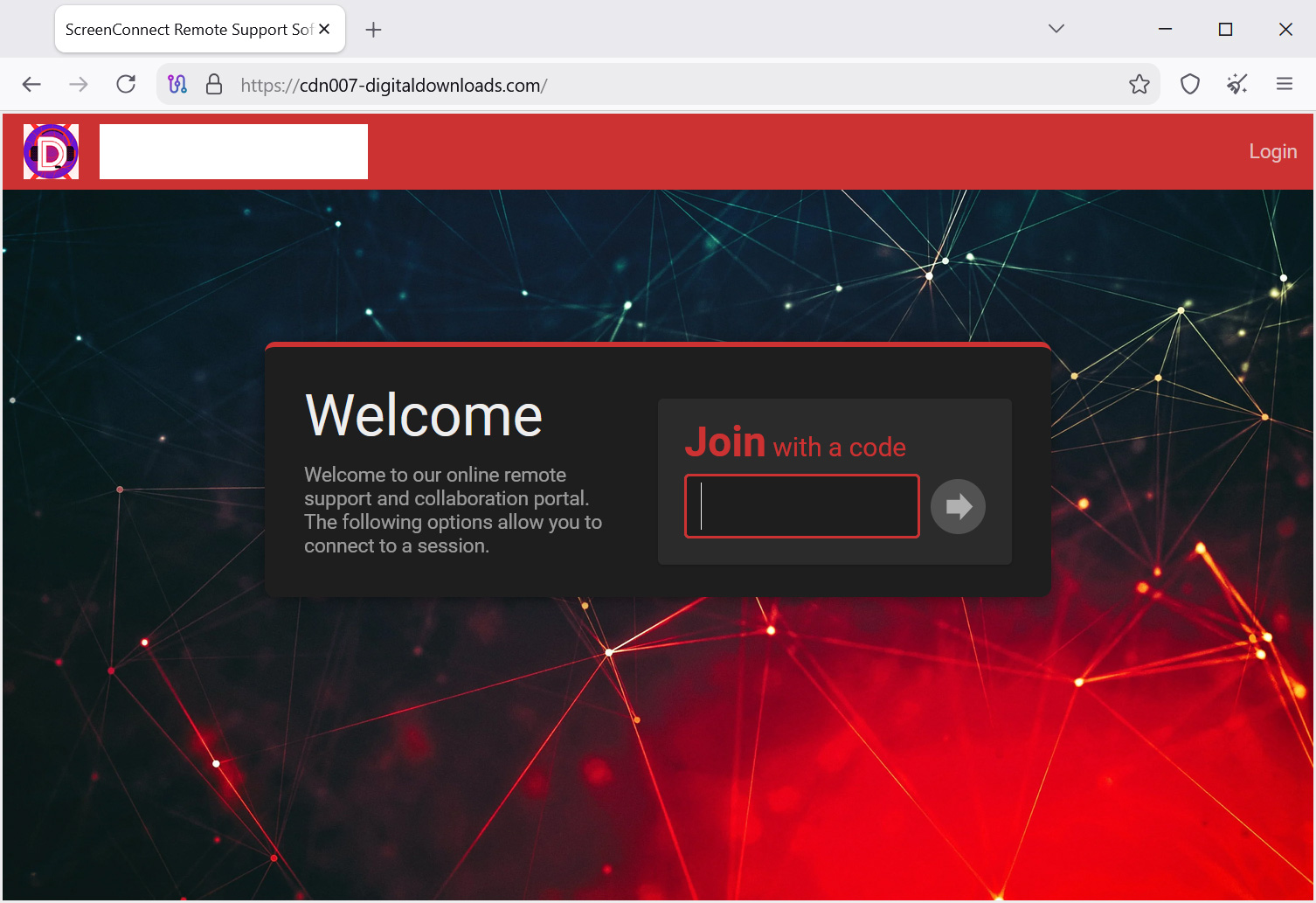
Meanwhile, historical correlations uncovered by threat intelligence analysts suggest that the infrastructure behind these attacks may have roots extending further back than initially understood. Security researchers previously identified anomalous batch scripts—such as a file designated under a Social Security Administration theme—that incorporated specific rogue client identifiers matching those observed in the current MSP-targeted campaign. These artifacts hint at a broader, multi-pronged distribution strategy that may have initially relied on traditional phishing vectors before pivoting toward direct supply chain infiltration of IT management infrastructure. Whether these earlier campaigns served as a testing ground or a parallel operation by the same threat actor collective remains an active area of investigation.
Ultimately, the ongoing ScreenConnect investigation serves as a stark reminder of the relentless ingenuity driving modern cyber threat actors. As organizations continue to centralize their operational workflows into cloud-hosted platforms, the imperative to secure those central control planes has never been more critical. For managed service providers and their clients alike, the path forward requires an uncompromising commitment to zero-trust principles, continuous log auditing, and the immediate isolation of any administrative channel exhibiting the slightest hint of unauthorized manipulation.
