

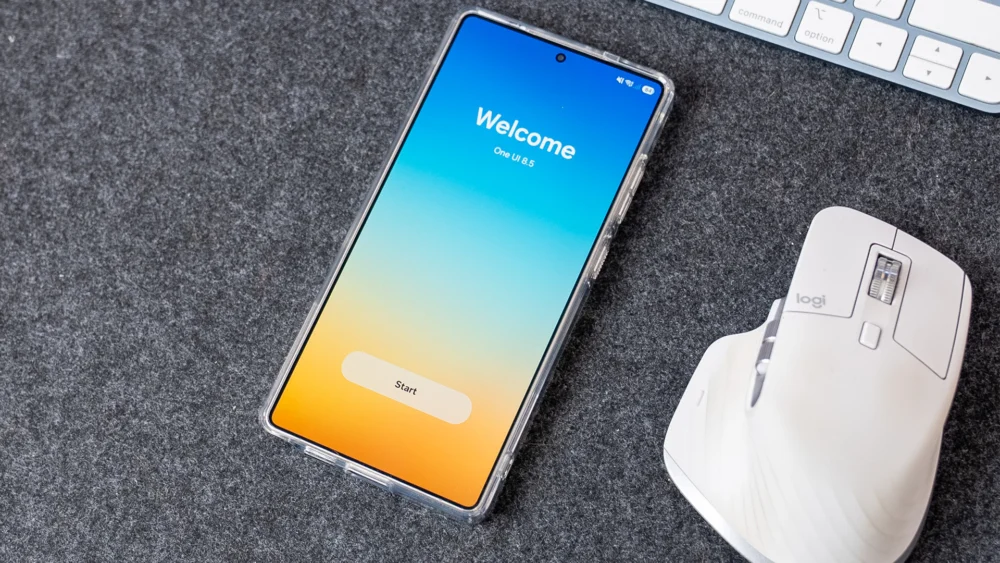
The protracted development cycle for Samsung’s next-generation mobile operating system, One UI 8.5, is gaining momentum as the Galaxy S25 series receives its third iterative beta build. This accelerated cadence, dropping shortly after the New Year, suggests Samsung is moving aggressively toward a finalized, stable release, likely timed to coincide with the unveiling of the Galaxy S26 flagship lineup later in the year. The arrival of Beta 3, identified by the firmware suffix ZA3, confirms that the foundational elements of the Android 15-based customization layer are being rigorously refined under real-world user load.
The Context of Accelerated Pre-Launch Testing
Samsung’s approach to software releases has evolved significantly over the last several years. Moving away from the slow, often fragmented rollouts of previous generations, the company has embraced a more structured, early-access beta program. This strategy serves a dual purpose: it allows the immense, global user base to stress-test new features and address edge-case bugs before mass deployment, and it provides critical feedback that shapes the final feature set.
The Galaxy S25 series, acting as the primary testbed for One UI 8.5, is expected to be the last major flagship line to receive the stable version before the subsequent S26 series launches, which is anticipated to ship with the finalized software out of the box. This pre-launch testing window is crucial. While the initial December beta established the groundwork, and the second built upon it, the third iteration—Beta 3—typically signals a transition from broad feature stabilization to intensive performance tuning and the elimination of persistent, hard-to-reproduce glitches.
Reports indicate that the rollout has commenced across key markets, including South Korea, Germany, and the United Kingdom, with the United States and Poland expected to follow shortly. This tiered geographic deployment is standard practice, allowing Samsung to monitor regional network compatibility and carrier-specific software customizations before a wider global push. Interestingly, users in India are also receiving this build, though for them it is designated as their second beta, highlighting the complex regional sequencing required for a global OEM.
The file size for this specific ZA3 build clocks in at approximately 1.2GB. This is a substantial payload, suggesting more than just minor patch adjustments; it implies deep system integration fixes, potential updates to core framework components, or the introduction of features that were held back from earlier, lighter betas. Accompanying this build is the January 1, 2026, security patch level, which is an expected—though sometimes slightly delayed—component of any major software update cycle.
Analyzing the Changelog and Hidden Refinements
The official changelog for Beta 3 notes specific bug fixes, which is standard practice. While the publicly disclosed fixes often focus on stability issues—such as connectivity drops, application crashes within the native camera or gallery apps, or inconsistencies in the Always-On Display (AOD) functionality—the true value of a third beta often lies in the undocumented changes.
Industry analysts anticipate that One UI 8.5 will build significantly upon the AI-centric foundations laid by its predecessor, particularly focusing on expanding the capabilities of Galaxy AI features. With the S25 series serving as the refinement platform, Beta 3 is likely honing the on-device processing efficiency for generative AI tasks. This means tighter integration with the underlying chipset (likely the latest Snapdragon or Exynos variant), optimizing memory management during complex AI queries, and reducing the thermal footprint associated with continuous neural engine utilization.
The stability of the user interface itself is paramount. Previous beta cycles for One UI have sometimes introduced regressions in animation smoothness or introduced unexpected battery drain. The deployment of Beta 3 suggests Samsung is prioritizing a polished visual experience. We should look closely for improvements in multi-tasking fluidity—specifically how quickly widgets reload, how smoothly split-screen mode transitions, and the responsiveness of the edge panels. Any reported fixes related to memory leaks or background process management in the early user reports will be telling indicators of the build’s overall quality.
Industry Implications: The Race for Software Supremacy
Samsung’s rigorous beta schedule for One UI 8.5 is not just about perfecting the S25 experience; it has profound implications for the broader Android ecosystem. As the dominant player in the Android hardware space, Samsung’s software stability directly influences consumer perception of the entire platform.
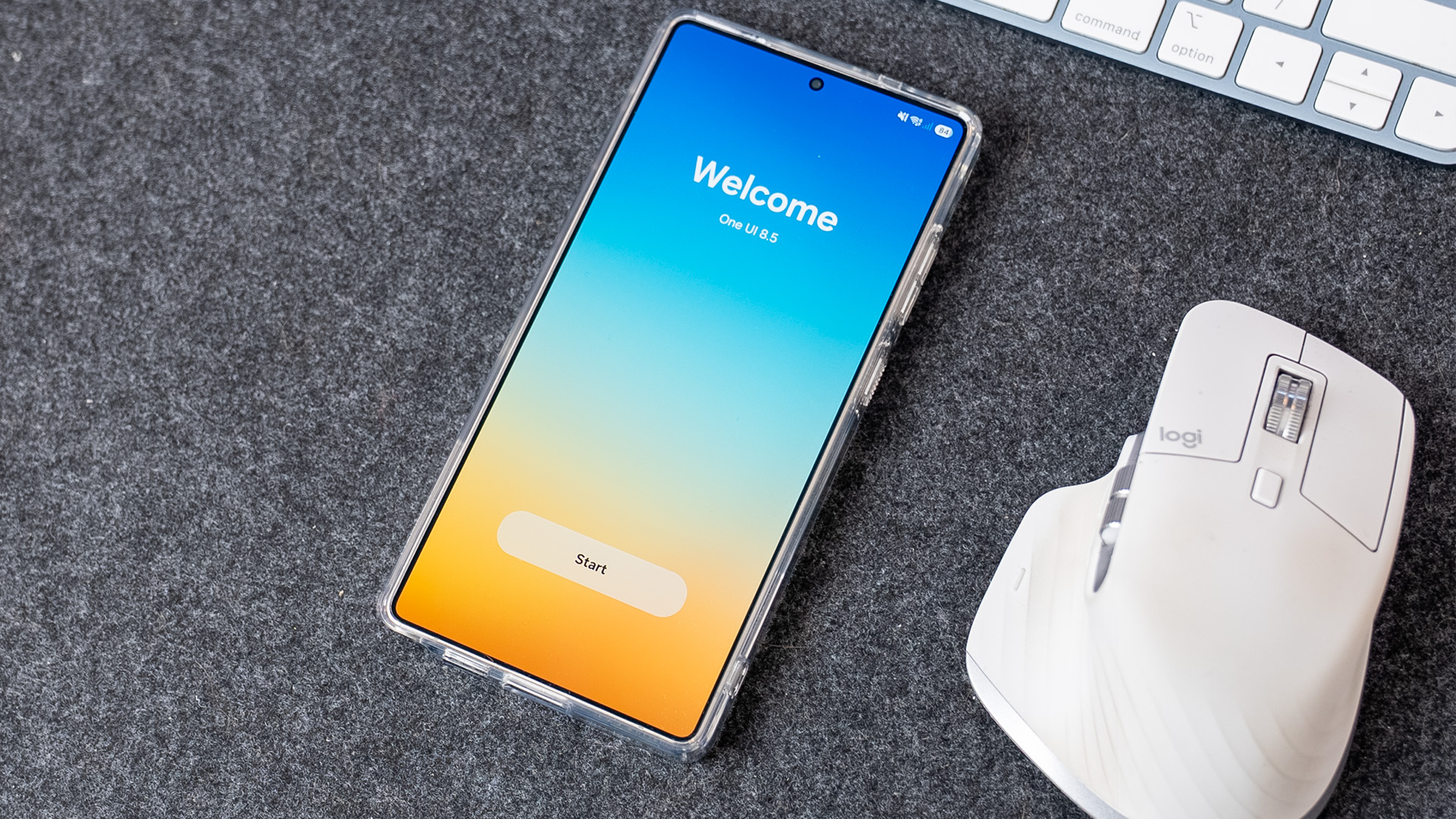
Setting the Standard for Android 15 Adoption: By pushing out frequent, large updates, Samsung is demonstrating a commitment to rapid adoption of the underlying Android version (Android 15). This forces competing manufacturers, often lagging in their own update schedules, to accelerate their timelines or risk appearing technologically behind. In a market segment increasingly defined by software longevity and feature parity, this rapid iteration cycle is a competitive weapon.
The AI Software Arms Race: The true battleground for the next generation of flagship smartphones is artificial intelligence integration. While Apple focuses heavily on on-device, privacy-centric AI, Google is pushing Gemini integration across its Tensor-powered devices. Samsung, positioned uniquely between the two, uses One UI as its differentiator. One UI 8.5 is expected to further embed Galaxy AI into the core operating system functions—beyond just standalone apps like Circle to Search. Beta 3’s stability is a precursor to a major AI marketing push accompanying the S26 launch. If the core OS is buggy, complex AI features will not be adopted widely. Therefore, the successful stabilization of Beta 3 is a leading indicator for Samsung’s AI product roadmap success.
Enterprise and Ecosystem Trust: For enterprise users and those invested deeply in the Samsung ecosystem (watches, tablets, DeX), software reliability translates directly to productivity. A smooth, predictable update path builds trust in Samsung’s Knox security platform and its cross-device continuity features. Inconsistent beta builds erode that confidence. The methodical approach seen in the early 2026 testing phase suggests Samsung is treating this as a foundational release, aiming for near-flawless execution upon the final rollout.
Expert Analysis: Beyond the Surface-Level Fixes
From a software engineering perspective, moving from Beta 2 to Beta 3 often involves resolving "showstopper" bugs—those that severely compromise usability or security. Given the 1.2GB size, it is plausible that the ZA3 build incorporates significant refactoring in specific areas:
- Kernel Optimization: The January 2026 security patch suggests deeper integration with the Android 15 kernel updates. This isn’t just about patching vulnerabilities; it’s about tuning how the operating system interacts with the specific hardware accelerators (like the NPU/TPU) present in the S25 series. Optimizing kernel scheduling can lead to noticeable gains in sustained performance during heavy tasks like 4K video processing or complex multitasking, areas where the S25 series might have shown thermal throttling under early beta stress.
- System App Overhaul: Samsung often reserves major visual or functional changes for later betas. We might see subtle but impactful revisions to the Settings menu structure, further implementation of dynamic theming that adheres more closely to the Android 15 specification, or enhanced integration of Samsung Health data streams directly into the notification shade or lock screen widgets.
- DeX Environment Maturity: For power users, the DeX desktop environment is critical. Late-stage betas frequently contain fixes aimed at improving external monitor scaling, peripheral compatibility (especially mice and keyboard latency), and the responsiveness of virtual desktop switching within the DeX framework. A stable One UI 8.5 is essential for Samsung to maintain its lead in the mobile desktop replacement space.
The absence of a specific feature list in the brief public notes necessitates careful observation by early adopters. The true evolution of One UI 8.5 will likely manifest in performance ceilings, battery life consistency, and the subtle, almost subconscious improvements to the user journey—the things that users notice when the software "just works" without friction.
Future Trajectory: Paving the Way for the S26
The successful deployment and stabilization of One UI 8.5 on the S25 series sets the stage for the Galaxy S26’s debut, anticipated for early 2027. The goal for Samsung’s software division is clear: to deliver a launch experience that is perceived as significantly more polished than in previous years.
The industry trend is moving towards longer software support windows, with competitors pushing five or even seven years of updates. For Samsung to justify its premium pricing and ecosystem lock-in, the initial out-of-the-box experience must be impeccable, offering a platform that feels current and future-proofed from Day One. If Beta 3 proves robust, it signals that Samsung is on track to deliver the S26 with minimal post-launch patches required for basic functionality.
Furthermore, the testing parity across different S25 models (Standard, Plus, Ultra) is a key metric. Any divergence in bug reports or fix deployment between these models indicates lingering hardware-specific software fragmentation. A unified and rapid rollout of Beta 3 suggests Samsung is managing these different hardware configurations effectively, a necessity as the S-series continues to diversify its camera hardware and display technologies.
In summary, the arrival of the third One UI 8.5 beta is a critical waypoint in Samsung’s software development calendar. It represents a shift in focus from introducing novelties to achieving rock-solid reliability, underpinning the company’s strategy to solidify its position as the leader in the premium Android segment by offering a software experience that is both feature-rich and exceptionally stable as the ecosystem moves deeper into the age of ubiquitous on-device intelligence. Enthusiasts participating in the program should treat this build with cautious optimism, knowing that every successful iteration brings the final, refined software closer to millions of users worldwide.
