

The streaming landscape in the late summer of 2026 represents a fascinating intersection of legacy franchise management and the aggressive pursuit of new intellectual property. As major platforms like Netflix, Hulu, Prime Video, and Apple TV+ grapple with the "Peak TV" hangover, the current slate of releases reveals a distinct industry pivot toward serialized reliability and high-concept adaptations. This weekend’s offerings—ranging from the high-octane grit of Philadelphia’s longest-running sitcom to the final treasure hunt of a Gen-Z cultural phenomenon—provide a snapshot of a market that is simultaneously playing it safe and taking calculated, high-budget risks.
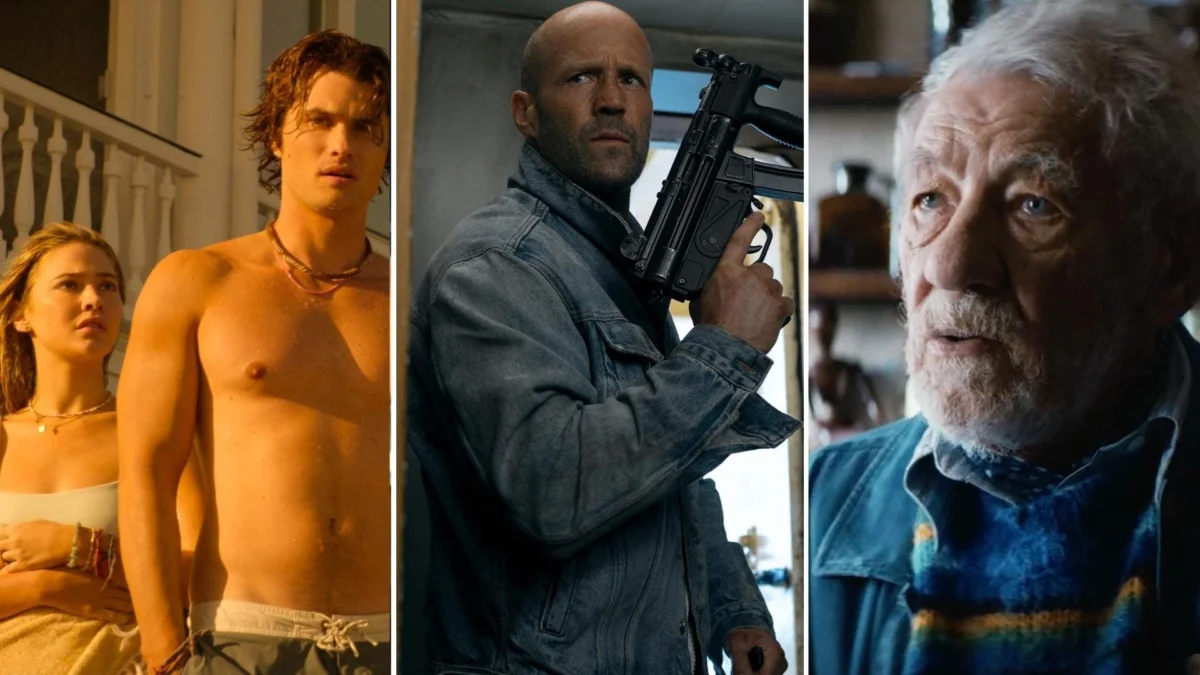
The central narrative of the weekend is undoubtedly the conclusion of a Netflix powerhouse. The arrival of the fifth and final season of Outer Banks marks the end of a strategic era for the streaming giant. Since its debut, the series has served as a cornerstone of Netflix’s young-adult programming, successfully blending the sun-drenched aesthetics of teen drama with the structural mechanics of a classic treasure-hunt thriller. In Season 5, the "Pogues"—led by Chase Stokes and Madelyn Cline—face the emotional and physical fallout of previous tragedies while pursuing the elusive Blue Crown. From an industry perspective, the decision to drop all ten episodes simultaneously on August 20, rather than opting for the split-release strategy utilized in Season 4, suggests a move toward maximizing "binge-velocity." This metric is increasingly vital for series finales, as platforms look to dominate the social media conversation in a concentrated burst rather than a protracted rollout.
Simultaneously, FX and Hulu continue to demonstrate the enduring value of the "anti-sitcom" with the eighteenth season of It’s Always Sunny in Philadelphia. The longevity of this series is a statistical anomaly in modern television. By tackling contemporary issues such as workplace automation, neurodivergence, and conspiracy theories through the lens of irredeemable characters, the show maintains a 100% critical rating on Rotten Tomatoes. The industry implication here is clear: authentic, low-overhead comedy with a dedicated cult following remains one of the most cost-effective ways to mitigate churn on a subscription platform. As the "Gang" navigates inheritance scams and Renaissance Faires, they provide a necessary counter-programming to the often self-serious prestige dramas that dominate the summer Emmy-bait cycle.
The current weekend also highlights the increasing fluidity of content between networks. The Audacity, originally an AMC production, has migrated to Netflix for its eight-episode debut. Starring Billy Magnussen as a disgraced CEO and Sarah Goldberg as his therapist-turned-accomplice, the series echoes the corporate-noir aesthetic popularized by Succession. This "second window" strategy—where a show produced by a linear-focused entity like AMC finds its primary audience on a global streamer—is becoming the standard operating procedure for mid-budget dramas that struggle to find footing in the fragmented cable market. While critics have lauded the performances, audience reception remains polarized, illustrating the difficulty of launching new "prick-protagonist" dramas in a market already saturated with corporate cynicism.
In the realm of prestige cinematic streaming, Hulu’s The Christophers stands out as a masterclass in talent acquisition. Directed by Steven Soderbergh and featuring the legendary Ian McKellen, the film explores the intersection of the 1960s pop art scene and modern-day art forgery. The inclusion of Michaela Coel—who also appears this weekend in HBO Max’s Mother Mary—underscores her status as one of the most sought-after performers of the mid-2020s. Soderbergh’s continued experimentation with digital cinematography and efficient production models makes The Christophers a lean, intellectually stimulating alternative to the weekend’s more explosive theatrical releases.
Speaking of theatrical releases, the industry is closely watching the performance of Mutiny, the latest Jason Statham vehicle. While Statham has long been the gold standard for reliable, mid-budget action cinema, Mutiny has faced significant critical headwinds, echoing the diminishing returns seen in the late-stage Expendables franchise. This suggests a potential shift in audience appetite; viewers are increasingly gravitating toward "pure" action works like George Miller’s Mad Max: Fury Road and its prequel Furiosa, which prioritize singular vision and practical effects over formulaic tropes. Miller’s work remains a benchmark for the genre, proving that high-concept action can achieve both critical immortality and commercial viability if given the proper budgetary runway.

The horror sector continues its relentless expansion with Insidious: Out of the Further. As the sixth entry in the Blumhouse-produced franchise, it represents the "evergreen" nature of horror IP. Despite being a veteran series, this installment has managed to secure the highest critical scores of the franchise to date, a rarity in the genre. This success points to a future where horror franchises are managed with the same long-term narrative care as superhero universes, rather than being treated as disposable annual products.
Transitioning to the small screen’s weekly rollouts, the "True Detective" influence is palpable in DC’s Lanterns on HBO Max. By reimagining Green Lantern as a grounded, Nebraska-set murder mystery involving Hal Jordan (Kyle Chandler) and John Stewart (Aaron Pierre), Warner Bros. Discovery is signaling a departure from the "CGI-slop" that plagued earlier superhero adaptations. The involvement of creative heavyweights like Damon Lindelof and Tom King suggests a desire to infuse the DC Universe with literary weight. However, the success of Lanterns will depend on whether it can escape the shadow of its influences; the pilot’s slow-burn approach has divided fans who expected more traditional interstellar heroics.
Contrast this with the ongoing struggles of the Walking Dead franchise. AMC’s Dead City is now in its third season, yet it continues to face criticism for narrative stagnation. Despite the undeniable charisma of Lauren Cohan and Jeffrey Dean Morgan, the show struggles to justify its existence beyond brand extension. The industry is currently witnessing a "zombie fatigue" that even the most talented makeup and SFX teams cannot fully alleviate. When a franchise collapses from the cultural zeitgeist into mediocrity, it serves as a cautionary tale for other platforms: over-extension of an IP without a clear creative "why" eventually leads to diminishing subscriber interest.
Apple TV+ remains the bastion of "high-gloss" science fiction and comedy, though even its flagship titles are being questioned. Ted Lasso Season 4 attempts to reboot a series that many felt reached a natural conclusion in its third year. By shifting the focus to a women’s football team, the show is attempting to recapture the "fish-out-of-water" magic that made the first season a global phenomenon. However, the risk of "reboot fatigue" is real. Similarly, Silo Season 3 and Strange New Worlds Season 4 are tasked with maintaining momentum in an era where audiences are increasingly prone to "streaming hopping." Strange New Worlds, in particular, has managed to achieve a 100% Rotten Tomatoes score for its fourth season, proving that when Star Trek embraces its episodic, optimistic roots, it remains an unbeatable force in the sci-fi market.
The weekend also offers niche gems that indicate the diversifying tastes of the global audience. My Brilliant Career on Netflix brings a modern Australian period drama to a worldwide stage, while The Westies on MGM+ offers a Scorsese-esque look at Irish gangs in 1980s New York. These shows represent the "middle-class" of television—solidly produced, well-acted dramas that provide depth to a platform’s library even if they don’t reach the "blockbuster" status of an Outer Banks.
Looking toward the future, the trend of the "multiverse-spinoff" is being tested by HBO Max’s Stuart Fails To Save The Universe. By taking a secondary character from The Big Bang Theory and placing him in a high-concept sci-fi scenario, the industry is exploring new ways to monetize existing sitcom audiences. Whether this "clever pivot" becomes a new template for spinoffs or remains a quirky outlier will depend on its performance over the coming weeks.
As we move toward 2027, the streaming wars are transitioning from a battle for subscribers to a battle for retention. This weekend’s diverse slate—from the concert-special experiment of The Vampire Lestat to the family-friendly enchantment of The Magic Faraway Tree—demonstrates that platforms can no longer rely on a single "hit." Instead, they must curate a multifaceted ecosystem of content that appeals to the "dad-core" action fan, the prestige drama enthusiast, and the casual sitcom viewer simultaneously. The platforms that succeed will be those that prioritize creative talent over algorithmic safety, recognizing that in an era of infinite choice, only the truly singular works—like those of George Miller or Steven Soderbergh—can truly cut through the digital noise.
