

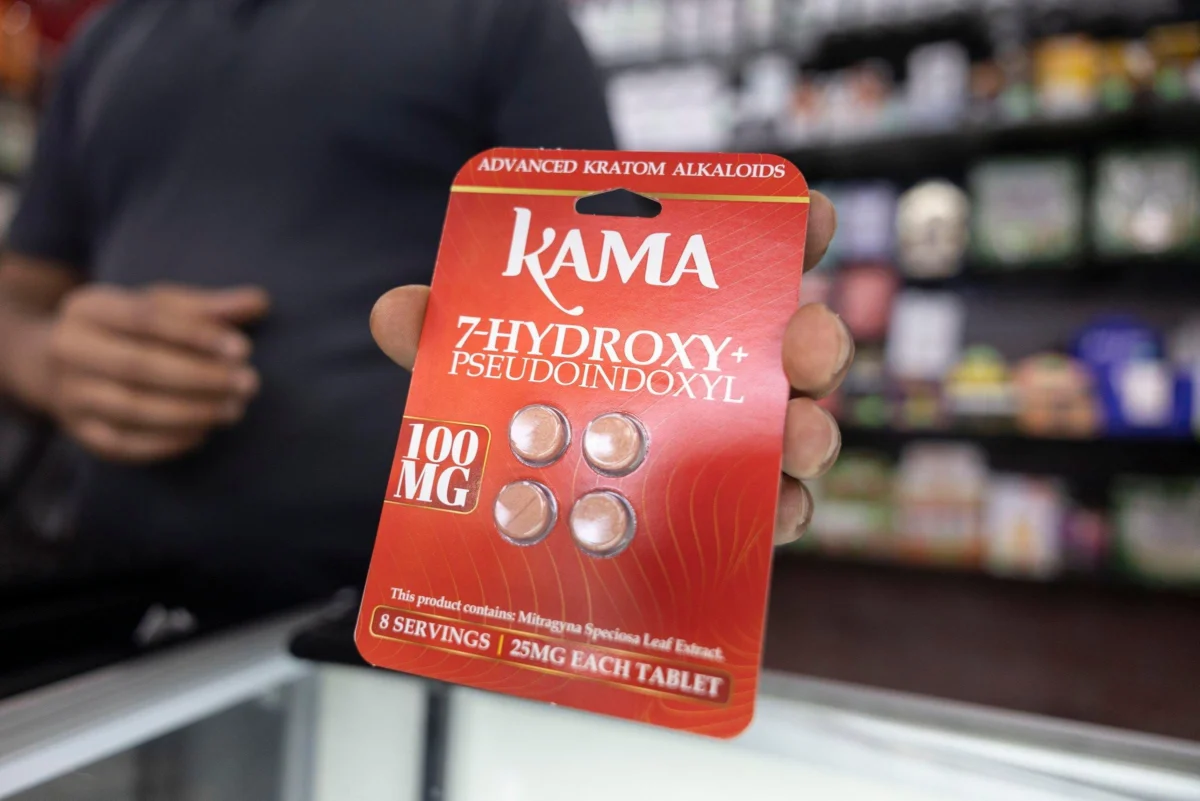
The modern American convenience store occupies a unique space in the consumer psyche. It is a sanctuary of the mundane—a place for mid-grade gasoline, overpriced beef jerky, and the occasional phone charger. However, over the last decade, a shadow inventory has taken up residence at the checkout counter. Positioned at eye level in small, brightly lit acrylic cases, these products are often camouflaged by packaging that mimics the aesthetic of high-octane energy drinks. Chrome lettering, lightning bolts, and aggressive branding promise "Maximum Focus," "Total Recovery," or "Natural Euphoria."
To the casual observer, these are merely high-powered supplements. To the emergency physician, they represent a burgeoning public health crisis. Behind the labels of "herbal blends" and "research chemicals" lies a potent array of unapproved opioids, neurological toxins, and hidden pharmaceuticals. These substances are not the result of a regulatory loophole; they are the byproduct of a regulatory framework that was never designed to police the rapid-fire evolution of synthetic chemistry. As these products proliferate, the clinical consequences are filling emergency departments with patients ranging from curious teenagers to unsuspecting seniors, all falling victim to a retail environment that prioritizes high-margin sales over consumer safety.
The Regulatory Vacuum: A System Working as Designed
To understand how a gas station can legally sell substances with the potency of prescription narcotics, one must look to the Dietary Supplement Health and Education Act of 1994 (DSHEA). This landmark legislation fundamentally altered the FDA’s oversight of the supplement industry. Under DSHEA, ingredients that were on the market before 1994, or those "presumed safe," do not require pre-market approval. Manufacturers are not required to prove to the FDA that a product is effective or even safe before it hits the shelves.
This creates a "reactive" rather than "proactive" regulatory environment. The FDA can typically only intervene after a product has caused documented harm. By the time the agency issues a warning letter or an import alert—a process that can take years—the manufacturer has often already rebranded, slightly altered the chemical structure of the product to evade specific bans, or moved operations to a new shell company. This "whack-a-mole" dynamic is the engine driving the gas station drug trade. When one compound is scheduled as a controlled substance, chemists produce a structural analog—a "designer" version that produces the same effect but sits just outside the legal definition of the banned substance.
The Evolution of Retail Opioids: Kratom and the 7-OH Surge
At the forefront of this trend is Kratom (Mitragyna speciosa), a botanical relative of the coffee tree native to Southeast Asia. In its traditional form, the leaf is chewed or brewed into tea to provide mild stimulation or pain relief. However, the retail market has moved far beyond traditional use. Modern gas station kratom often takes the form of highly concentrated extracts or "shots" that target the brain’s mu-opioid receptors—the same receptors activated by morphine and oxycodone.
The most concerning development in this category is the emergence of 7-hydroxymitragynine, or 7-OH. While 7-OH occurs naturally in kratom leaves in trace amounts, manufacturers are now isolating and concentrating it into tablets and gummies. 7-OH is a full mu-opioid agonist and is estimated to be significantly more potent than morphine. Users can develop a physical dependence within weeks, and the withdrawal symptoms—chills, muscle aches, intense anxiety, and insomnia—are indistinguishable from those of pharmaceutical opioid withdrawal.
According to data from the CDC, poison center reports involving kratom increased by 1,200% between 2015 and 2025. While the majority of kratom-related fatalities involve "poly-substance" use (the presence of other drugs), the arrival of high-potency semi-synthetic formulations like 7-OH has changed the risk profile. The economics are simple: 7-OH is cheap to produce in a lab and can be sold at a premium to those seeking an opioid high without the legal risk of buying off the street.
Tianeptine: The "Gas Station Heroin"
If kratom represents the "natural" end of the spectrum, tianeptine is its pharmaceutical cousin. Originally developed as an antidepressant in Europe and Latin America, tianeptine is not approved for any medical use in the United States. At therapeutic doses (around 12.5 mg), it acts on the glutamatergic system. However, the products sold at gas stations—under names like Zaza, Tianaa, and Pegasus—often contain hundreds of milligrams per serving.
At these mega-doses, tianeptine behaves like a potent opioid. Its short half-life (roughly 2.5 hours) creates a vicious cycle of addiction. Users find themselves redosing every few hours to stave off a withdrawal syndrome that many clinicians describe as more severe than that of heroin. The clinical presentations in the ER are harrowing: respiratory depression, seizures, and profound agitation. Between 2015 and 2023, tianeptine exposures reported to U.S. poison centers rose by 1,400%. While the DEA has proposed moving tianeptine to Schedule I, the delay in federal action has allowed the substance to become a staple of the "gray market" economy.
The Inhalant Epidemic: From Kitchen to Crisis
Perhaps the most visible shift in convenience store drug sales involves nitrous oxide. Once relegated to small silver "whippets" for culinary use, nitrous is now sold in massive, brightly colored canisters under brands like Galaxy Gas and Cosmic Gas. These canisters are often flavored—strawberry, mango, vanilla—and marketed with an aesthetic that clearly targets a younger demographic.

Pharmacologically, nitrous oxide is an NMDA receptor antagonist. It produces a brief, intense euphoria that lasts only a few minutes, leading users to consume dozens of canisters in a single session. The danger here is not just immediate asphyxiation, but long-term neurological devastation. Chronic nitrous use irreversibly disables methionine synthase, the enzyme responsible for maintaining the myelin sheath that insulates the nervous system. This leads to "subacute combined degeneration" of the spinal cord. Patients, often in their late teens or early 20s, arrive in the ER unable to walk, suffering from numbness that starts in the feet and moves upward, potentially leading to permanent paralysis.
A similar threat exists with alkyl nitrites, colloquially known as "poppers." Labeled as "video head cleaners" or "room deodorizers" to bypass FDA scrutiny, these products are often sold in small bottles that look remarkably like energy shots. When inhaled, they cause rapid vasodilation and a drop in blood pressure. When accidentally ingested—a common occurrence due to the deceptive packaging—they can cause methemoglobinemia, a life-threatening condition where the blood loses its ability to transport oxygen.
The Hemp Loophole and Synthetic Cannabinoids
The 2018 Farm Bill was intended to legalize industrial hemp by defining it as cannabis containing less than 0.3% Delta-9 THC. However, this definition created a massive loophole. Manufacturers realized they could take federally legal CBD (cannabidiol) and use chemical catalysts to convert it into Delta-8 THC, Delta-10, HHC, and other intoxicating isomers.
Because this conversion process is entirely unregulated, the resulting products are often contaminated. A University of Rochester study of Delta-8 vaporizer products found that 100% of tested samples contained unreacted reagents, residual solvents, or heavy metals like lead and mercury. Furthermore, these products are frequently packaged to mimic popular candy brands—Oreos, Skittles, Nerds—leading to a surge in pediatric poisonings. In children, these "hemp-derived" cannabinoids can cause profound lethargy, respiratory depression, and even coma.
The Hidden Pharmaceutical Threat
The final category of gas station drugs is perhaps the most insidious: "herbal" sexual enhancement pills. Brands like "Rhino" often claim to use ancient botanical secrets to improve performance. In reality, FDA testing has revealed that hundreds of these products contain undeclared sildenafil or tadalafil—the active ingredients in Viagra and Cialis.
For a healthy individual, this might seem like a "bonus," but for a patient with heart disease taking nitrates for chest pain, the combination can be fatal. The interaction causes a catastrophic drop in blood pressure. Because the doses in these spiked pills are unmeasured and often exceed prescription strength, they represent a silent threat to older consumers who believe they are taking a safe, natural supplement.
Future Impact and Industry Implications
The "gas station drug" phenomenon is a symptom of a larger shift in the global drug market. We are moving away from traditional plant-based narcotics toward a "post-botanical" era of synthetic analogs. For the retail industry, these products represent a high-profit, high-turnover category that is difficult to give up. For the consumer, they represent a deceptive trap where "legal" is mistakenly equated with "safe."
The future of this crisis will likely be determined by legislative reform. There is growing pressure to modernize DSHEA and provide the FDA with "mandatory product listing" authority, which would require manufacturers to register all ingredients before they go to market. Until then, the burden of safety falls on the individual.
Clinical Advice and Consumer Safety
If you or someone you know is navigating the world of retail supplements, several precautions are essential:
- Deceptive Labeling: Phrases like "Not for human consumption," "For novelty use only," or "Research chemical" are red flags. These are legal disclaimers used to bypass safety regulations for drugs intended for ingestion.
- Unverifiable Claims: Any product claiming to treat medical conditions like chronic pain, anxiety, or opioid withdrawal is making an illegal drug claim. Legitimate supplements are prohibited by law from making such assertions.
- The "Natural" Fallacy: Just because a product is derived from a plant (like Kratom) does not mean it is safe, especially when concentrated into synthetic-strength extracts.
- Medical Supervision: If you have developed a dependence on tianeptine or high-potency kratom, do not attempt to quit cold turkey. The withdrawal can be medically significant. Consult a physician who can assist with a supervised taper.
The acrylic case at the gas station counter may look like a collection of harmless impulse buys. In reality, it is a laboratory of unregulated chemistry, where the only constant is the speed at which new, untested substances replace the ones we have just begun to understand. Awareness is the first line of defense against a retail landscape that has become a front line for public health emergencies.
