

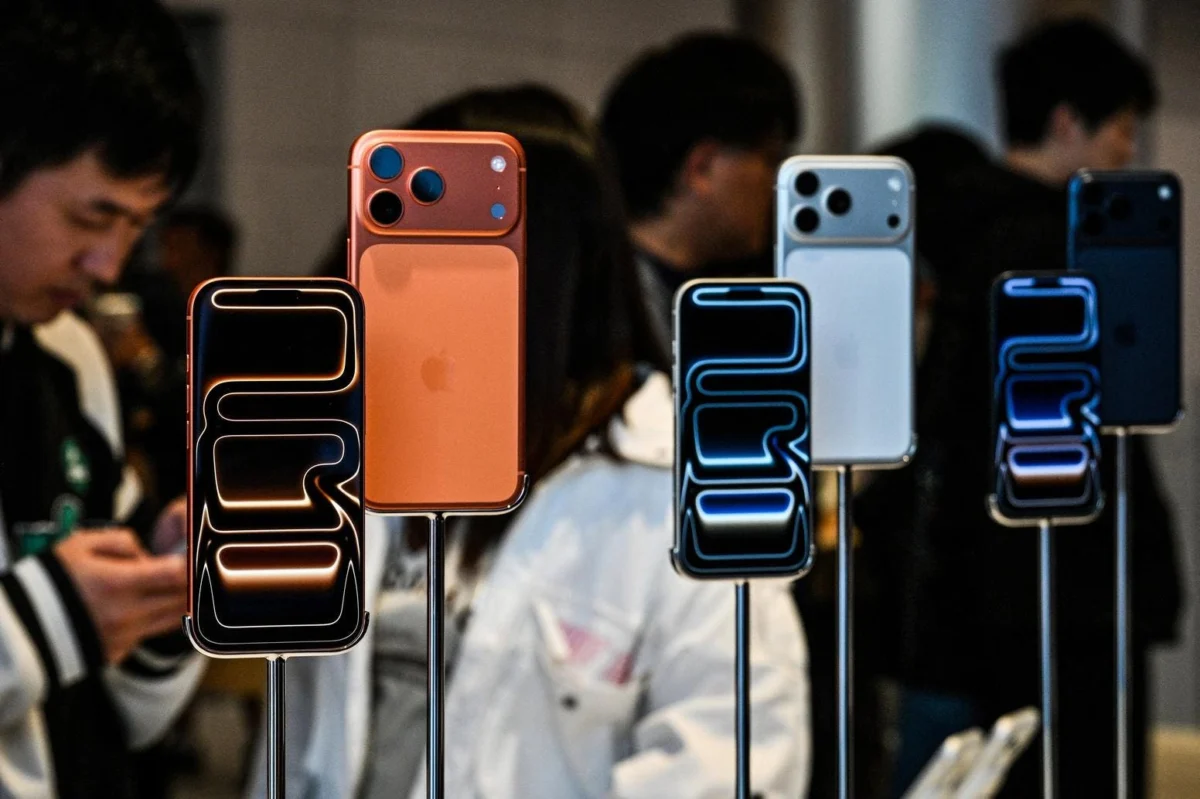
The technology industry has long operated on a cycle of incrementalism, but every decade or so, a singular product launch threatens to redraw the map of the mobile landscape. As the tech world pivots its gaze toward Apple Park for the upcoming September keynote, the atmosphere is charged with a level of anticipation not seen since the debut of the iPhone X. While the annual refresh of the iPhone lineup is a guaranteed fixture of the autumn calendar, this year carries a different weight. The central question is no longer just about faster processors or improved camera sensors, but whether Apple is finally ready to embrace the foldable revolution. Recent intelligence from the supply chain suggests that despite a turbulent development cycle, the first folding iPhone is not only real but potentially arriving much sooner than skeptics had predicted.
The narrative surrounding Apple’s entry into the foldable market has been nothing short of a rollercoaster. For years, the Cupertino giant watched from the sidelines as competitors like Samsung, Google, and Huawei iterated through multiple generations of flexible displays. Apple’s characteristic "wait and see" approach—perfecting a technology before deploying it—has been tested to its limit. Early reports from industry stalwarts suggested that the foldable project was plagued by durability concerns and display creases that failed to meet Apple’s exacting aesthetic standards. Indeed, prominent analysts had previously signaled that a 2026 or even 2027 window was more realistic, with some suggesting the device would trail the launch of the standard iPhone 18 Pro series by several months.
However, the tide of information has shifted dramatically in recent weeks. New data emerging from manufacturing hubs in Asia indicates that the production hurdles that once threatened to derail a 2026 launch have been largely cleared. Reports from reliable insiders on platforms like Weibo suggest that the production line setup for what many are calling the "iPhone Ultra" was finalized at the end of July. This is a critical milestone; once the assembly lines are calibrated and the yield rates for complex components like the internal hinge and Ultra-Thin Glass (UTG) reach a certain threshold, the path to a retail launch becomes a matter of logistics rather than engineering.
The significance of this timing cannot be overstated. If Apple adheres to its traditional September cadence, the keynote is widely expected to fall on either September 8 or September 9. Given the logistical patterns of previous years, a Tuesday announcement on September 9 points toward a pre-order window opening immediately, followed by a retail release on Friday, September 18. The fact that production lines are now reportedly operational suggests that Apple is aiming for a simultaneous launch alongside its Pro models, avoiding the staggered release strategy that saw the iPhone X arrive weeks after the iPhone 8 in 2017.
This aggressive timeline suggests a massive vote of confidence in the device’s reliability. Foldable smartphones are notoriously difficult to manufacture at scale. The hinge mechanism must withstand hundreds of thousands of actuations without losing its tension or introducing debris into the display assembly. Furthermore, the flexible OLED panels must remain pristine under varying thermal conditions. For Apple to commit to a September launch implies that their proprietary hinge design and display coatings have finally surpassed the "crease-free" benchmark that has eluded many of their rivals.
Strategic positioning within the broader iPhone ecosystem also points toward a seismic shift in Apple’s marketing philosophy. In a surprising move, current intelligence suggests that the base iPhone 18 model may be held back until the spring of 2027. This would leave the September stage exclusively to the high-end hardware: the iPhone 18 Pro, the iPhone 18 Pro Max, and the new foldable flagship. This "Pro-first" strategy serves two purposes. First, it ensures that the foldable device is positioned as the absolute pinnacle of mobile engineering, unburdened by the shadow of a more affordable entry-level model. Second, it allows Apple to maximize its margins during the crucial holiday quarter by funneling early adopters toward its most expensive offerings.

The branding of this new device remains a point of intense speculation. While "iPhone Flip" or "iPhone Fold" are the obvious descriptors, the "Ultra" moniker carries a specific weight within Apple’s current hierarchy, borrowed from the Apple Watch and the M-series silicon. An "iPhone Ultra" suggests a device that goes beyond a mere form-factor change, likely incorporating the most advanced camera systems, potentially a titanium chassis, and a specialized version of iOS designed to bridge the gap between a smartphone and an iPad Mini.
From a technical perspective, the software implications of a foldable iPhone are as significant as the hardware. Apple has spent years refining "Stage Manager" on iPadOS and "Continuity" across its ecosystem. A folding iPhone would require a highly adaptive interface—one that can transition seamlessly from a traditional 6.1-inch or 6.7-inch exterior display to a sprawling, tablet-like interior canvas. Industry experts expect Apple to introduce "Foldable iOS," a version of the operating system that utilizes sophisticated sensors to detect the angle of the hinge, allowing for "Flex Mode" style functionality where the device can act as its own tripod or a mini-laptop with a virtual keyboard on the bottom half.
The market implications of this launch are profound. For the past half-decade, Samsung has enjoyed a near-monopoly on the premium foldable segment in Western markets. While the Galaxy Z Fold series has matured into a formidable productivity tool, it has yet to achieve the kind of cultural ubiquity that the iPhone enjoys. Apple’s entry into the space is expected to "legitimize" the foldable category for the average consumer, potentially sparking a massive upgrade cycle among users who have felt that smartphone design has reached a plateau.
Furthermore, the ripple effects will be felt across the global supply chain. Apple’s massive order volumes for flexible OLED panels and specialized hinges will likely drive down the cost of these components for the entire industry over time, while simultaneously forcing suppliers to innovate faster. If Apple has indeed solved the "crease" issue through a combination of new polymer layers and a more generous hinge radius, it will set a new industry standard that competitors will be forced to chase.
As we move closer to the projected September 9 keynote, the focus will remain on the "iPhone Ultra" and its ability to redefine the premium mobile experience. The stakes are incredibly high; a successful launch would silence critics who claim Apple has lost its innovative edge, while any significant hardware failure in such a public-facing product could be a rare blemish on the company’s reputation for quality. However, the latest reports suggest that the engineering teams in Cupertino have navigated the storm. With the production lines hummed to life and the software being polished for its grand debut, the era of the foldable iPhone appears to be just weeks away.
The decision to launch in September, rather than delaying until the following year, indicates that Apple believes the foldable is no longer a niche experiment, but a cornerstone of their future. By focusing the September event on the Pro and Foldable models, Apple is making a clear statement: the future of the iPhone is defined by luxury, versatility, and uncompromising power. For the consumer, this means the choice this September will be more difficult—and more exciting—than it has been in years. Whether one opts for the refined perfection of the Pro models or the boundary-pushing utility of the foldable, the 2026/2027 cycle is poised to be a landmark moment in tech history. The countdown to September 18 has officially begun, and if the latest leaks hold true, the "Ultra" era is about to unfold in spectacular fashion.
