

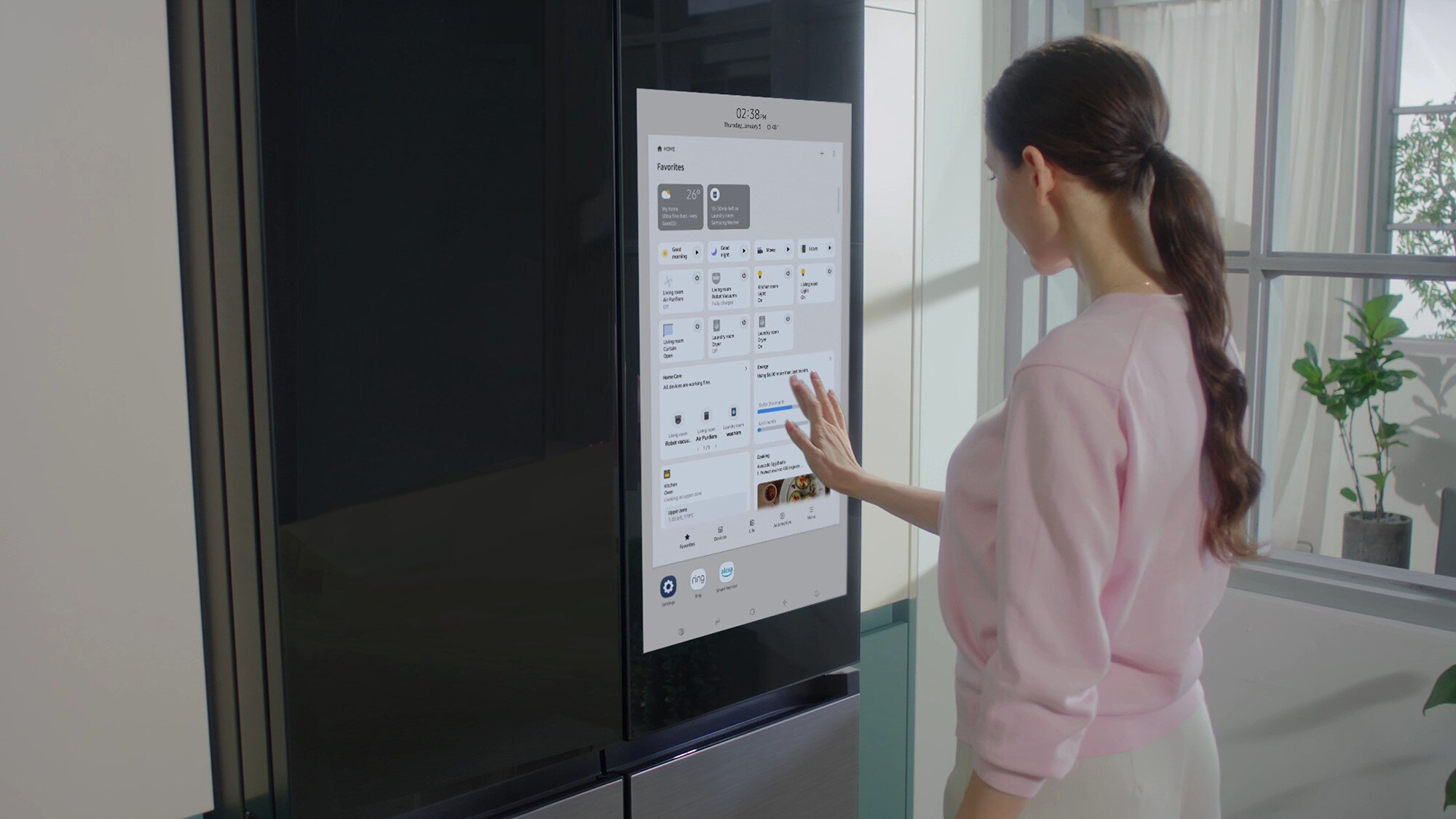
The current trajectory of the smart home ecosystem, characterized by an escalating proliferation of dedicated, screen-laden devices, is fundamentally misaligned with the true promise of ambient artificial intelligence. While the allure of a refrigerator that can order groceries or a washing machine that streams video is technologically impressive, it often translates into unnecessary complexity, visual clutter, and maintenance overhead. My enthusiasm for Google’s Gemini large language model (LLM) is high, but it is contingent upon its deployment evolving beyond the physical interface. The ideal manifestation of advanced AI in the domestic sphere is not more glowing rectangles affixed to every major appliance; rather, it is an invisible, context-aware layer of intelligence woven into the fabric of the home itself.
The Burden of the "Smart" Label: Complexity Creep in the Connected Home
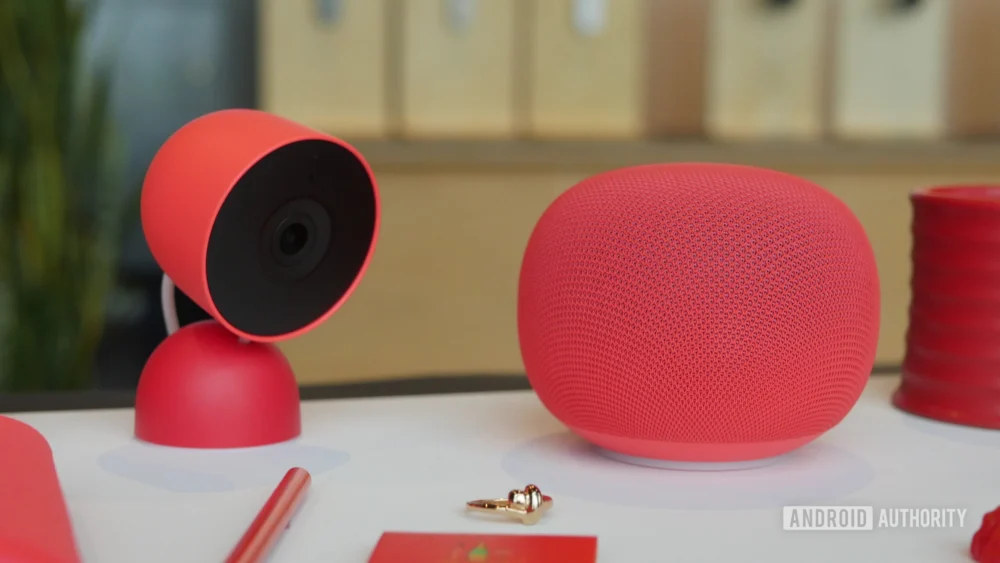
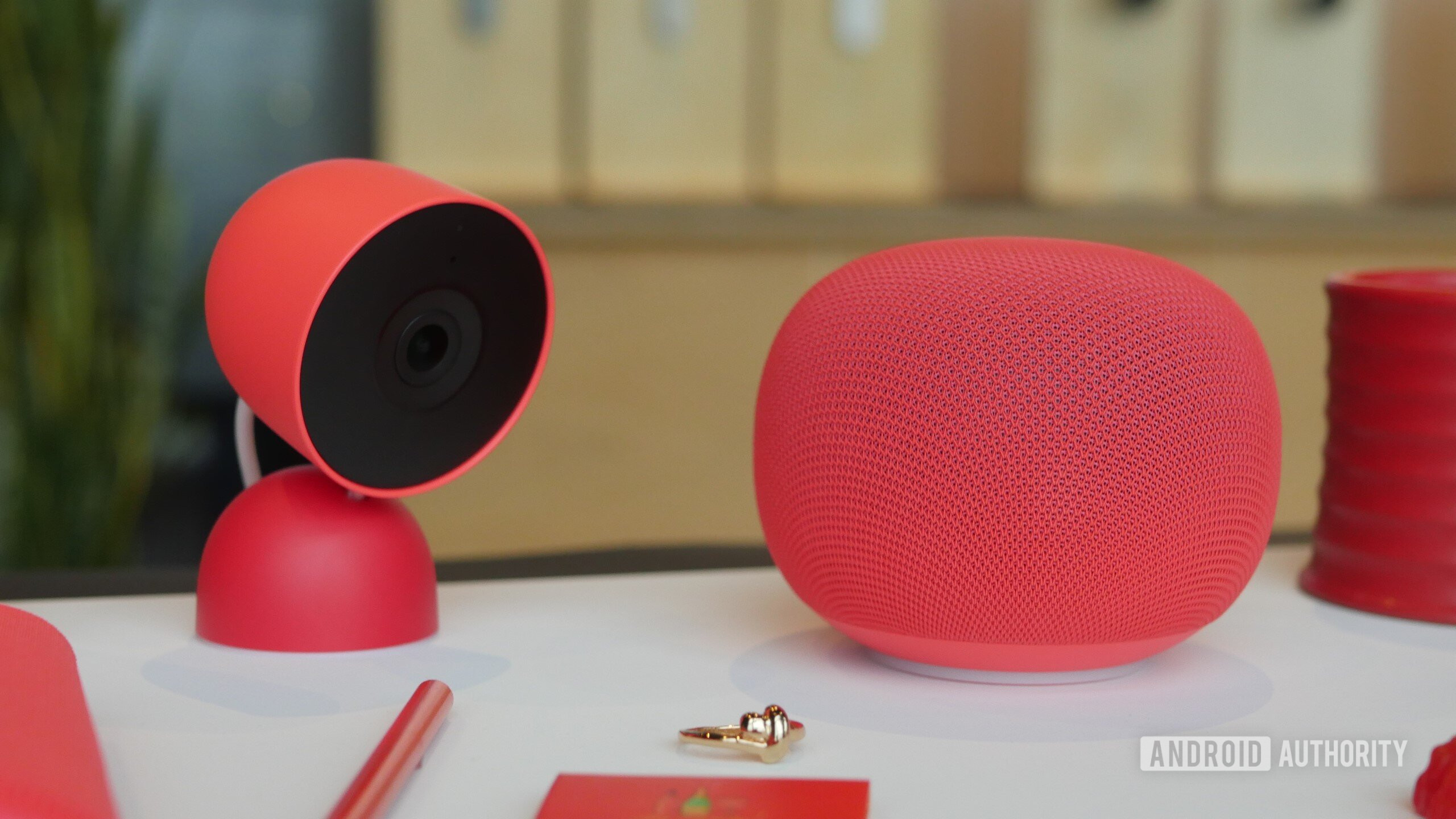
The initial wave of smart home adoption, stretching back over a decade, was predicated on digitizing control. We sought to remotely manage lights, thermostats, and security systems, often through smartphone applications. This was followed by the introduction of voice assistants—initially embodied in dedicated smart speakers—which offered a convenient, hands-free interface. I readily concede to the utility of these voice nodes; they have become indispensable for quick queries, timer setting, and controlling rudimentary functions while occupied elsewhere in the house or commuting. This acceptance signals a profound shift in user expectation: we crave instant, context-sensitive assistance, regardless of our immediate physical location.
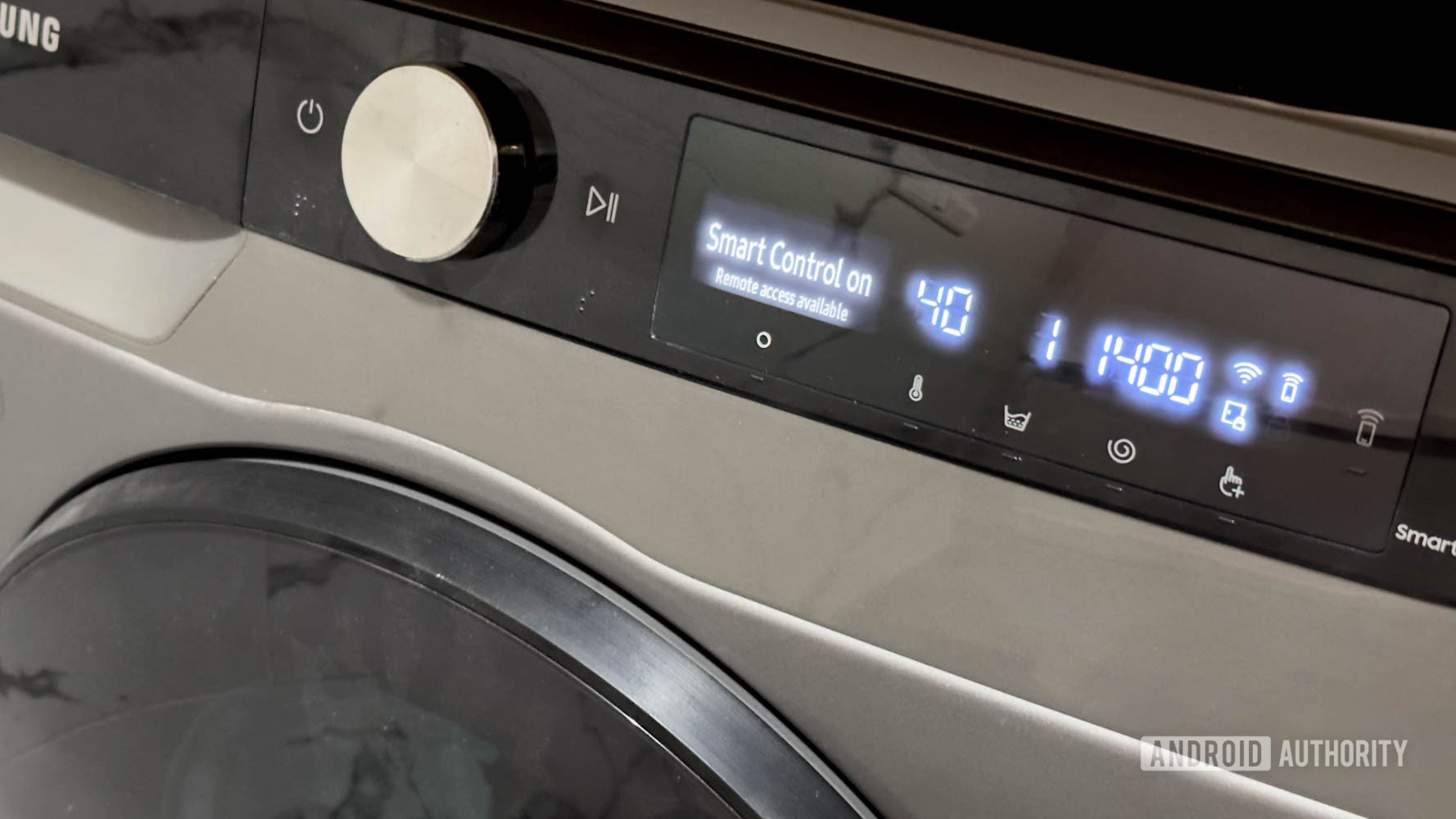
However, this evolution has simultaneously introduced "complexity creep," particularly when applied to major household appliances. The moment a washing machine, dryer, or microwave is branded "smart," it often necessitates a cascade of user actions: setting up a proprietary cloud account, downloading a manufacturer-specific application, navigating potential subscription tiers for advanced features, and diligently managing firmware updates for a device whose core function should remain reliably mechanical. For the average consumer, this rapidly devolves into fragmentation hell.
Consider the simple toaster. Its genius lies in its singular focus: insert bread, press lever, receive toast. Introducing a screen, Wi-Fi connectivity, and a dedicated app layer to this device adds significant points of failure and friction without meaningfully improving its primary utility. The same logic applies, with greater weight, to dishwashers, range hoods, and conventional ovens. These are systems designed for durable, long-term, low-interaction use. Forcing them into the demanding, update-heavy paradigm of consumer electronics undermines their core value proposition of reliability.
The industry has, thus far, prioritized adding features over integrating intelligence. The result is a home saturated with competing interfaces, each demanding attention. This proliferation of screens—on the fridge, the oven, the washing machine door—creates a visual noise that actively detracts from the tranquility a home environment should offer. This leads to the core argument: the utility of Gemini, or any comparable advanced AI, should be as an omnipresent computational substrate, not as a distinct, brightly lit feature on every piece of hardware.
The Vision of Omnipresent Intelligence: A Jarvis for the Modern Era
My aspiration is for Gemini to function as the central cognitive engine of the dwelling, akin to the fictionalized systems like Tony Stark’s J.A.R.V.I.S. In this paradigm, the intelligence resides everywhere and nowhere specific. It is not tethered to a single point of interaction.
Imagine walking into the kitchen late at night. Instead of a massive, jarring display on the refrigerator demanding interaction, the ambient intelligence recognizes your presence via proximity sensors embedded throughout the environment—perhaps in the floorboards, the ceiling fixtures, or integrated discreetly into the appliance casings themselves. You might murmur, "Gemini, what did I need from the store?" The nearest receptive node—be it a subtle indicator light on the freezer door or a nearly inaudible audio prompt from the adjacent smart speaker—activates just enough to respond, offering a brief inventory check or a reminder, before returning to its passive state.

This concept hinges on ambient context awareness. An AI integrated at this level understands:
- Location: Where are the residents situated within the spatial layout?
- Time and Routine: Is it 7 AM on a weekday, suggesting a need for news briefs and coffee preparation timing, or 2 AM, suggesting minimal auditory output?
- Device State: Is the oven preheating? Is the washer cycle nearly complete?
The true breakthrough here is shifting the interaction model from voice-first to context-first. Voice commands, which require explicit activation and careful articulation, should become the exception, reserved for complex, novel requests. The majority of interactions—the 80%—should be handled by proactive, subtle system adjustments or minimal visual/auditory cues. The refrigerator doesn’t need a screen to tell you you’re low on milk; it should simply ensure the necessary order is placed when the pantry stock hits a predefined threshold, signaling completion via a brief chime or a subtle pulse of light on its casing, visible only upon approach.
This architectural shift—from discrete, screen-based interaction points to a unified, invisible intelligence network—addresses the fundamental failing of current smart home implementations: fragmentation.
Industry Implications: Unifying the Fragmented Ecosystem
The current smart home market is a patchwork quilt of competing protocols, incompatible APIs, and proprietary data silos. Manufacturers adopt smart features to differentiate products in mature markets (like major appliances), but this differentiation rarely benefits the end-user cohesion. For a user invested in the Google ecosystem, connecting a Samsung refrigerator, a Whirlpool washer, and a Nest thermostat often requires bridging technologies like IFTTT or complex, custom-coded routines, all while managing four separate sets of credentials and update schedules.
If Google positions Gemini as the universal middleware for domestic hardware—not just as a feature within the hardware, but as the operating kernel that coordinates disparate systems—the industry implications are vast.
- Standardization Pressure: Manufacturers would be incentivized to build hardware capable of deep integration with the Gemini kernel, likely sacrificing some proprietary UI elements in favor of streamlined communication protocols. This moves the competition away from who has the prettiest screen and toward who builds the most reliable, energy-efficient hardware that runs best on the foundational AI layer.
- The Death of the Dedicated Hub: The necessity for numerous, power-drawing smart speakers and dedicated display hubs diminishes. These functions can be distributed across the home’s existing infrastructure—the car’s infotainment system, the smartphone, and critically, the major appliances themselves. The refrigerator, being one of the most power-stable and continuously connected devices in the home, becomes a prime candidate for a passive processing node within the Gemini web, rather than a destination for media consumption.
- Simplified User Onboarding: A unified AI core simplifies setup exponentially. Instead of "Connect Device A to App X, then link App X to Google Home," the process becomes: "This appliance detects the ambient Gemini network and requests authorization." The user confirms the device’s role once, and Gemini manages all subsequent communication, authentication, and updates transparently.
This unification elevates the concept of the "smart home" from a collection of connected gadgets to a genuinely intelligent environment. It addresses the "Iron Man" aspiration: a cohesive, responsive system managed by a single, powerful entity, rather than a collection of isolated, blinking boxes.
The Critical Barrier: Privacy and Trust in Deep Integration
The most significant hurdle for realizing this vision of omnipresent intelligence is the requirement for unprecedented levels of access to the user’s private domain. For an AI to understand ambient context—to know when a user is resting, working, cooking, or entertaining—it must process continuous streams of environmental data: audio patterns, movement, energy usage fluctuations, and temporal patterns. This level of pervasive sensing demands an absolute, ironclad commitment to user privacy and data sovereignty.
Current industry standards, often opaque and reliant on lengthy user agreements, are insufficient for this depth of integration. Users are already wary of microphones listening for wake words; the prospect of the refrigerator’s internal sensors and microphones constantly mapping domestic activities for contextual inference is a significant leap in perceived surveillance.
For Gemini to succeed in this pervasive role, Google must engineer trust directly into the architecture:
- Local Processing Priority: Wherever feasible, sensitive contextual analysis and raw data interpretation must occur on the edge—within the appliance or a local home hub—with only anonymized or heavily processed metadata being transmitted to the cloud. This minimizes exposure risk.
- Granular Transparency: Users must possess intuitive, easily accessible controls that clearly delineate what data each device is collecting, why, and how long it is retained. If the microwave is monitoring cooking progress, the user must know that this data is transient and non-retained unless explicitly saved.
- Auditing and Accountability: There must be demonstrable mechanisms for third-party auditing of the AI’s data handling protocols specifically for domestic environments. The fear of a data breach exposing intimate daily routines is a far greater deterrent than a breach exposing login credentials.
If privacy is treated as a feature bolted on late in the development cycle, the omnipresent intelligence model will fail before it gains meaningful traction. It must be the foundational principle upon which the entire ambient system is built. The goal is to create an AI that is deeply helpful because it is deeply aware, but never intrusive because it is rigorously trustworthy.
Future Impact and The Evolution of Interaction Paradigms
Looking ahead, the successful deployment of Gemini as an ambient intelligence will reshape not just how we control our homes, but how we perceive technology itself.
The current paradigm, driven by devices like the Samsung Family Hub refrigerator—a device that grafts a tablet interface onto a massive cooling unit—represents a temporary plateau in smart home evolution. It’s an attempt to solve contextual awareness using a highly visible, high-power interface. The next logical step, driven by LLMs like Gemini, is abstraction.
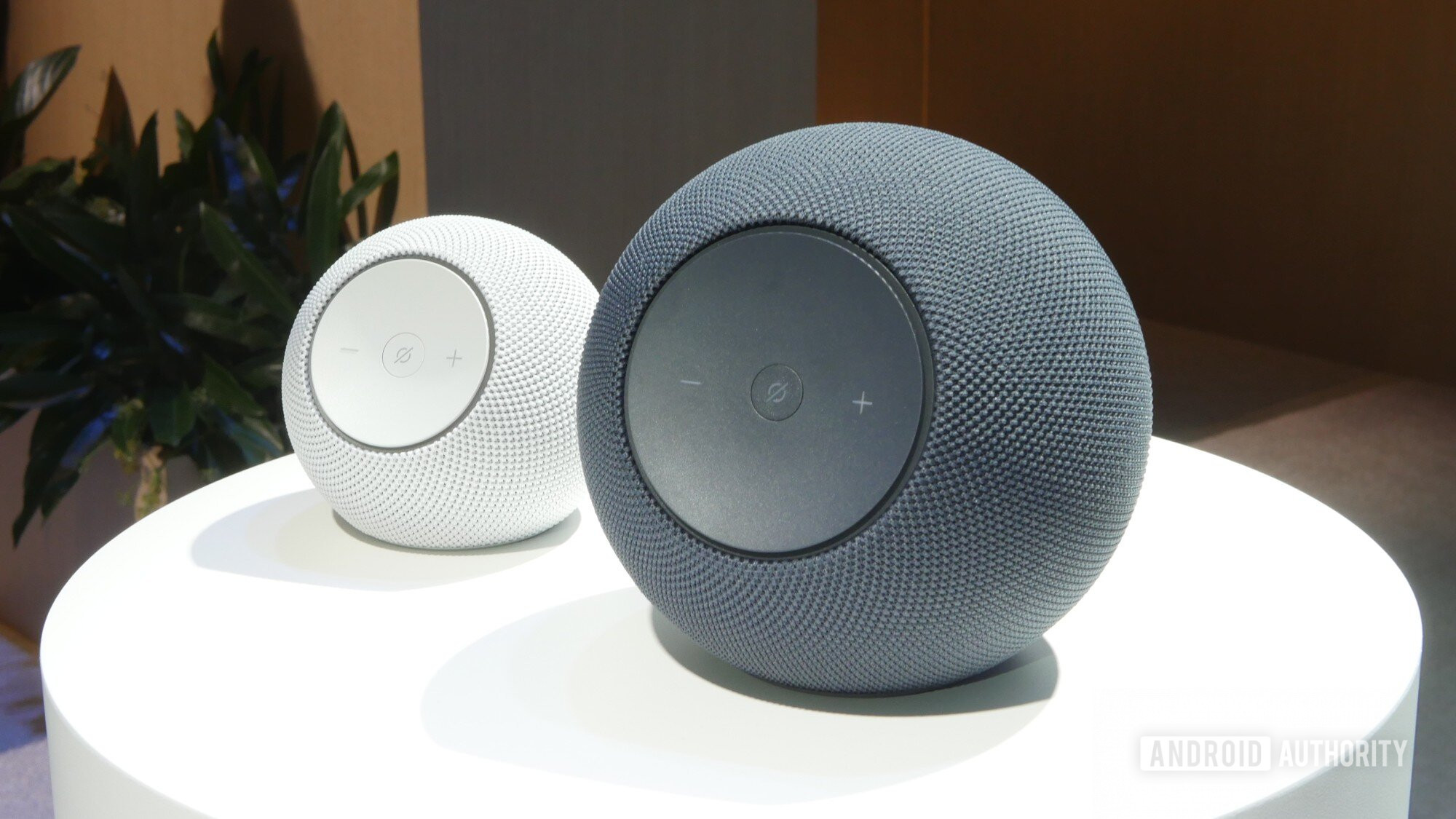
We are moving toward a future where the digital interface recedes. Think of it as the zero-UI concept applied to the home. The intelligence anticipates needs based on historical patterns. For example, if the user always begins brewing coffee 15 minutes after the bedroom lights are turned off for the night, the system, noticing the pattern break (e.g., the user is reading late), might subtly prompt the connected coffee maker to begin heating water at the usual time, ensuring morning readiness without being asked—a proactive, non-verbal suggestion.
This evolution also touches upon sustainability and efficiency. An AI that intimately understands the thermal dynamics of the house, the occupancy patterns, and the energy profiles of every connected device can optimize resource consumption far beyond what pre-programmed schedules allow. It can learn that on a sunny Tuesday, the HVAC requires less intervention because solar gain is predictable, or that the dishwasher should run immediately after the peak utility rate window closes, based on current grid pricing data fed into the system.
Ultimately, the battle for the future of the smart home will not be won by the company that produces the most feature-rich appliance screens. It will be won by the platform that can embed its advanced LLM—its intelligence—so seamlessly into the environment that the user forgets the technology is even there, remembering only the enhanced comfort, efficiency, and responsiveness of their living space. Gemini’s potential in the home is immense, but it must shed its reliance on bright, demanding screens and embrace the quiet, pervasive power of contextual awareness. That is the true intelligence that warrants welcoming AI into every corner of our private lives.
