


The perpetual cycle of technological evolution dictates that even as 5G continues its complex global rollout, the research and development engine of the telecommunications industry is already churning out the blueprints for the Sixth Generation (6G) of mobile networks. This transition is not a distant hypothetical; major global stakeholders—from national governments allocating regulatory sandboxes to colossal telecommunication equipment manufacturers—are heavily funding preliminary research and establishing standardization goals. The race for 6G dominance is visibly underway, marked by early white papers and ambitious projections that hint at a future connectivity paradigm shift.
However, the excitement surrounding 6G must be critically contextualized against the backdrop of the preceding 5G era. For many consumers and enterprises, 5G has delivered speed uplifts in controlled environments but has often failed to translate these laboratory feats into ubiquitous, reliable, or economically tangible benefits across daily operations or monthly billing statements. Therefore, the crucial analytical pivot point for 6G is not its theoretical peak throughput—which is almost always achievable in a lab setting—but its capacity to fundamentally address the persistent shortcomings of current networks: power efficiency, true geographic coverage consistency, and overall cost structure. On these practical fronts, the enthusiasm warrants careful calibration.
The Echoes of Past Promises: Scrutinizing Headline Capabilities
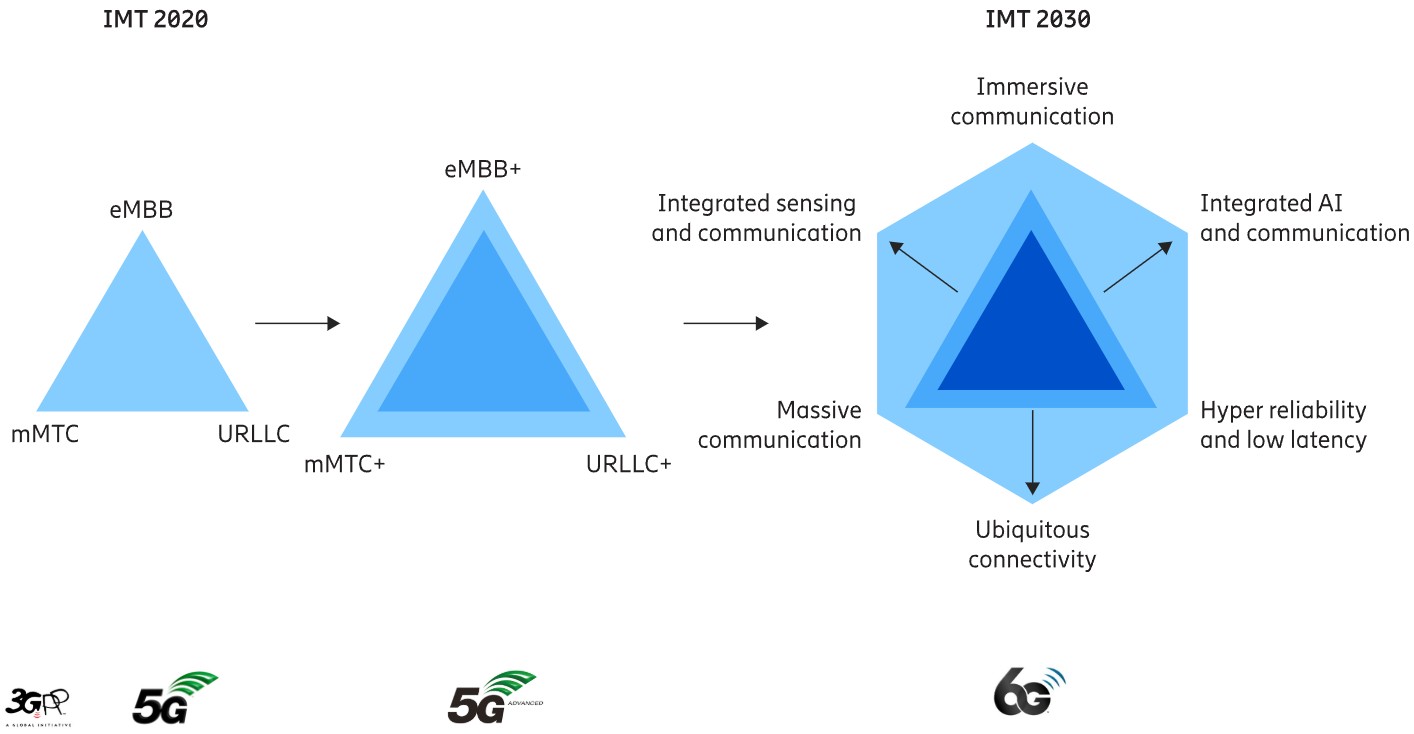
The initial technical objectives being floated for 6G bear a striking resemblance to the unmet potential of 5G. Concepts such as near-zero latency (sub-millisecond response times), massive machine-type communications (mMTC), highly precise localization services, and pervasive integration of Artificial Intelligence (AI) across the network stack are all features conceptually baked into the later stages of 5G specifications, such as 5G Advanced. The stated goal of 6G is to transform these aspirational features into foundational, interoperable elements of the network architecture from its inception, avoiding the years of iterative revisions that characterized 5G’s evolution from Non-Standalone (NSA) to Standalone (SA).

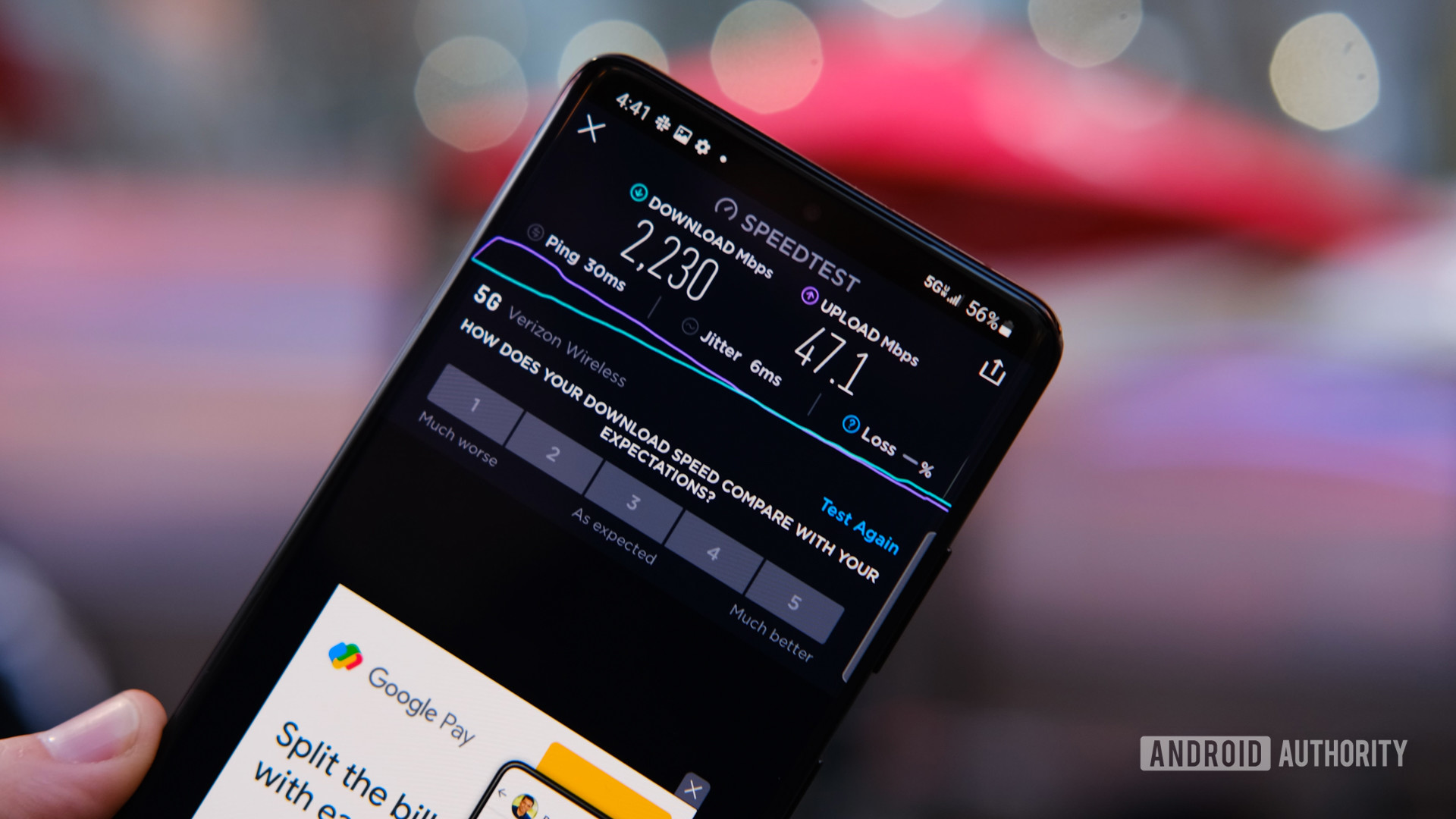
The headline data rates projected for 6G—potentially reaching into the hundreds of Gigabits per second (Gbps)—and the ambition for microsecond latency are, frankly, projections that trigger historical skepticism. Experience suggests that these figures represent optimal conditions achieved under highly controlled, often isolated, network slices. A realistic assessment must account for the consumer experience, which rarely mirrors the speed test results from a pristine testbed. If 5G delivered speeds perhaps three to five times that of 4G/LTE, a similar modest, rather than exponential, leap might be expected for the average 6G user in the initial deployment phase. Consumer-facing applications are unlikely to immediately saturate or even utilize the extreme bandwidth ceilings advertised.
Despite this necessary caution, 6G’s architecture promises several genuine advancements by integrating proven and emerging technologies. A significant step forward involves native support for non-terrestrial networks (NTNs), meaning seamless data handoffs and integration with low-Earth orbit (LEO) satellite constellations. This offers a credible pathway toward eliminating geographic dead zones, providing resilient coverage in remote or disaster-stricken areas, and potentially establishing Fixed Wireless Access (FWA) solutions that can truly compete with fiber infrastructure globally. This unified approach, encompassing terrestrial and space-based assets under a single specification framework, is a major procedural advantage over the patchwork integration seen in earlier generations.
Capacity, Efficiency, and the IoT Ecosystem
A core driver behind every new generation is the imperative to increase overall network capacity to accommodate the geometric growth of connected devices. 6G aims to solve the fragmentation that plagued previous standards by consolidating support for a wide spectrum of connectivity needs—from ultra-low-power, narrow-band IoT sensors to high-throughput augmented reality devices—within one cohesive standard. This unification is intended to reduce the complexity and overhead associated with managing disparate connectivity protocols.
Perhaps the most impactful, yet least marketed, objective of 6G research is radical improvements in spectral efficiency. This metric—the amount of data successfully transmitted per unit of energy consumed—directly translates into real-world user benefits: significantly extended battery life for mobile devices and wearables, more resilient performance during peak network congestion, and crucially, lower operational expenditures (OPEX) for network operators. If 6G can achieve genuine, widespread energy savings at the radio access network (RAN) level, the long-term economic viability improves substantially.
Ambitious concepts like "zero-energy" IoT devices capable of ambient energy harvesting, coupled with highly granular, AI-driven power management systems, are being explored. These systems envision radios that utilize extreme precision in millimeter-wave (mmWave) beamforming, dynamically adjusting transmission power to the absolute minimum required for maintaining a link. While these are exciting prospects, the industry must recall that early 5G device efficiency often lagged behind mature 4G devices. The burden of proof rests on the ecosystem to ensure that these efficiency goals translate into a tangible consumer advantage, rather than remaining theoretical optimization targets.
The roadmap suggests that 6G will function as an evolution, rather than a revolution, building upon the foundations laid by 5G Advanced. Features like positioning accuracy down to the centimeter level (both indoors and outdoors), enhanced spectrum aggregation techniques, and the deep embedding of Machine Learning (ML) into the RAN core for traffic management are direct inheritances from the immediate predecessor. This suggests a smoother migration path, potentially avoiding the painful interoperability challenges that complicated the shift from 4G LTE to 5G Non-Standalone architectures.
Navigating the Spectrum Scarcity Crisis
The most pressing technical challenge facing 6G deployment is spectrum allocation. Wireless communication is inherently constrained by available radio frequencies. Low-band spectrum (sub-3 GHz), which provides excellent range and deep indoor penetration, is increasingly saturated by existing 4G and early 5G deployments. To achieve higher throughput, operators must migrate to higher frequencies, such as mmWave (above 24 GHz), where bandwidth is abundant but propagation characteristics demand far denser cell site infrastructure.
6G proposes to bridge this gap by targeting the newly accessible 7-15 GHz band, often termed centimeter-wave (cmWave), which offers a valuable middle ground between range and capacity. Furthermore, 6G research is pushing into the sub-Terahertz (sub-THz) spectrum (roughly 100 GHz to 300 GHz) for ultra-high-capacity, short-range local networks—ideal for dense enterprise environments or specific public hotspots.
The critical innovation required to realize this heterogeneous spectrum utilization is sophisticated Multi-Radio Access Technology Spectrum Sharing (MRSS). While 5G introduced Dynamic Spectrum Sharing (DSS) to allow 4G and 5G to coexist on the same frequency blocks, DSS has historically introduced latency penalties. MRSS aims to provide a far more seamless, low-overhead mechanism allowing 5G and 6G services to coexist harmoniously within the same frequency band, thereby mitigating the coverage bottleneck that plagued the initial 5G rollout where low-band was perpetually contended.
The Economic Reality Check: Profitability and Investment Hesitation
The enthusiasm within the research community often clashes with the financial realities faced by mobile network operators (MNOs). The massive capital expenditure (CAPEX) required for 5G deployment—particularly the billions spent on securing mid-band and high-band spectrum licenses—has not yet yielded the corresponding increase in Average Revenue Per User (ARPU) that was anticipated. In many mature markets, 5G coverage is widespread (often exceeding 75% population coverage), yet the actual time consumers spend actively using 5G remains significantly lower (often below 40%).
This financial constraint directly impacts the appetite for 6G investment. Operators are currently focused on network optimization and efficiency gains within their existing 5G investments to improve profitability. Without a clearly articulated, compelling consumer use case that commands a premium price—a "killer app" that necessitates 6G—the incentive for MNOs to commit to another multi-decade, multi-billion-dollar infrastructure overhaul is severely diminished. Investment in 6G is thus likely to be characterized by measured, incremental steps heavily weighted toward operational efficiency improvements rather than immediate deployment of headline-grabbing features like ubiquitous LEO integration or massive sub-THz node deployment.
The Pitfall of Premature Hype: Learning from 5G’s Missteps
The history of 5G serves as a critical cautionary tale. It was largely introduced as a solution searching for a problem. Industry evangelists promised revolutionary societal shifts—fully autonomous smart cities, truly immersive extended reality (XR) environments, and massive, interconnected industrial IoT frameworks. While these use cases remain long-term goals, their widespread realization has been hampered by technology readiness and, more importantly, economic viability.

Early 6G proponents are already recycling similar narratives, often attaching the currently ubiquitous buzzword, Artificial Intelligence. For instance, the concept of "AI-native networks" suggests distributed processing where AI workloads execute dynamically across the network edge. Realizing this vision necessitates an unprecedented density of edge computing infrastructure—miniature data centers co-located with base stations. Such a massive, distributed hardware investment remains economically prohibitive for comprehensive national rollouts at this stage. Genuine innovation must be tethered to viable commercial models; use cases will emerge organically from what 6G can achieve affordably, not simply from what researchers dream it might achieve hypothetically.
Timeline and Consumer Perspective
The standardization process is proceeding with industry consortiums like the 3rd Generation Partnership Project (3GPP) aiming to finalize the initial technical specifications for 6G within Release 21, expected around 2028. This places the first meaningful 6G trials in that timeframe, with the initial wave of consumer devices likely appearing on the market closer to 2030, or perhaps slightly later, depending on the pace of chipset development and regulatory clearance.
This timeline dictates a pragmatic consumer approach. Current purchasing decisions should remain firmly rooted in the capabilities of advanced 5G networks. Even assuming an extraordinarily long device lifespan of seven years, a consumer purchasing a flagship phone today would only enter the very nascent stages of 6G adoption—characterized by limited geographical availability and a thin ecosystem of compatible devices. Furthermore, 5G networks will continue to mature significantly over the next half-decade. The rollout of 5G Advanced, which incorporates many of the efficiency and localized intelligence improvements planned for early 6G, will provide substantial evolutionary benefits long before the first true 6G handset hits shelves.
Ultimately, the most rational perspective on 6G excitement is one of measured anticipation. The excitement should be reserved not for the theoretical speed claims, but for the potential to rectify the core deficiencies of the 5G rollout—specifically in efficiency, coverage parity, and seamless spectrum integration. Until the industry demonstrates a clear, economically sustainable path for widespread deployment that directly addresses the user experience gaps left by 5G, the next generation remains a distant, albeit promising, engineering challenge rather than an immediate consumer reality.
