

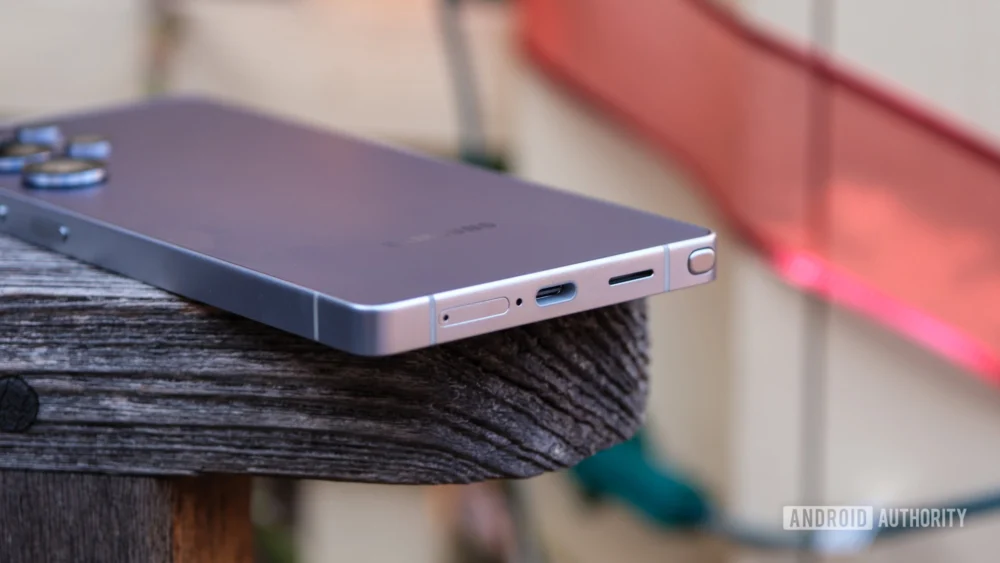
The relentless pursuit of energy density in mobile technology has long been the holy grail for smartphone manufacturers. In an era where flagship devices routinely push past the 5,000mAh threshold—and niche players even flirt with 10,000mAh cells—rumors suggesting Samsung’s battery division, Samsung SDI, is experimenting with a staggering 20,000mAh silicon-carbon battery capacity have sent ripples through the industry. This alleged breakthrough, if successfully commercialized, would fundamentally redefine user expectations for mobile longevity. However, the initial findings from internal testing reportedly reveal a significant, potentially insurmountable hurdle: thermal instability leading to battery swelling, casting a long shadow over immediate consumer adoption.
This report stems from unverified sources claiming that Samsung SDI has been rigorously testing a dual-cell configuration designed to achieve this massive capacity. The proposed architecture involves two distinct units: a primary 12,000mAh cell coupled with an 8,000mAh secondary cell. On paper, the performance metrics cited from these early trials are genuinely transformative. Allegedly, the test unit delivered an astonishing 27 hours of continuous screen-on time, a metric that would effectively render daily charging obsolete for most power users. Furthermore, the prototype reportedly maintained viability through approximately 960 charging cycles over a single year, suggesting a respectable cycle life for a next-generation chemistry.
The Context: The Silicon Revolution in Energy Storage
To appreciate the significance of a 20,000mAh figure, one must understand the limitations of current lithium-ion technology, which dominates the smartphone market. Traditional graphite anodes have a theoretical specific capacity around 372 mAh/g. Silicon, by contrast, boasts a theoretical capacity exceeding 4,200 mAh/g. This massive disparity is why silicon-carbon composites have become the focus of intensive R&D across the battery sector, promising three to five times the energy density of pure graphite.
Samsung SDI, a global powerhouse in battery manufacturing, has been aggressively developing these next-generation chemistries. The incorporation of silicon helps alleviate the constraints imposed by size. For a standard flagship phone, increasing battery capacity from 5,000mAh to 10,000mAh requires a corresponding increase in physical volume, which current chassis designs simply cannot accommodate without becoming excessively bulky or heavy. Silicon allows manufacturers to pack significantly more energy into the same, or only slightly larger, physical footprint.
The industry has seen incremental steps toward this silicon integration. Devices like the OnePlus 15, mentioned in early reports, utilize silicon content capped around 15% in their composite anodes. This cautious approach is deliberate; it balances the high energy density potential of silicon against its primary engineering drawback: volumetric expansion. Realizing the sheer theoretical capacity, as demonstrated by concept devices featuring 100% silicon anodes (like the reported 15,000mAh prototype from realme), often comes at the cost of structural integrity.
The Critical Flaw: Volumetric Instability
The excitement surrounding the 20,000mAh benchmark is abruptly tempered by the alleged discovery of significant battery swelling following the testing period. This phenomenon occurs when silicon anodes absorb lithium ions during charging. Unlike graphite, which expands by only about 10%, silicon can swell by up to 300% or more. If this expansion is not meticulously managed through electrode architecture, binder materials, or specialized electrolyte formulations, the cell casing ruptures or deforms.
The reported data suggests that one of the component cells—specifically the 8,000mAh unit—experienced a dramatic thickness increase, reportedly ballooning from a baseline of 4mm to 7.2mm. This nearly twofold increase in thickness is catastrophic for a device designed with tight tolerances, like a modern smartphone. Such swelling compromises the structural integrity of the entire device, potentially damaging screens, back panels, and internal components, not to mention posing a significant safety risk if the internal layers short-circuit.
This finding underscores the central dilemma in battery engineering: the trade-off between ultimate energy density and long-term cycle stability. While 27 hours of screen-on time is revolutionary, a battery that degrades or swells within a year of normal use is commercially non-viable for the consumer electronics market, where a minimum two-year lifespan is standard expectation.
Industry Implications and the Automotive Pivot
The implications of this internal testing failure extend beyond Samsung’s next Galaxy S series. If Samsung SDI is indeed testing such high-capacity silicon-carbon cells, it confirms that the technological race for higher energy density is intensifying. However, the swelling issue suggests that the current materials science solutions are not yet robust enough for the rigorous demands of handheld devices where thermal management and physical constraints are paramount.
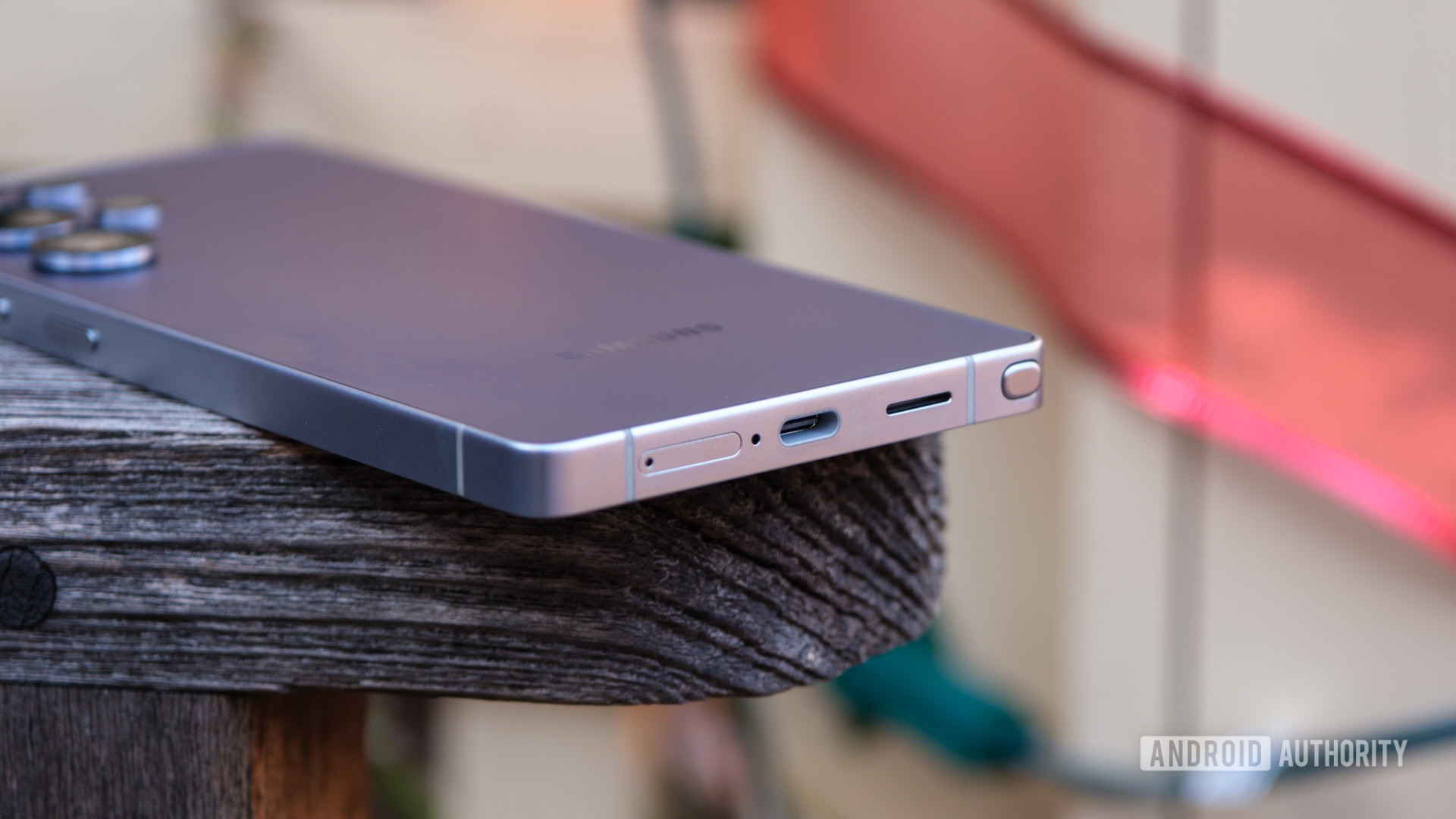
This scenario strongly suggests a potential pivot in focus for Samsung SDI. High-capacity, high-energy-density cells that exhibit minor swelling issues over a year might still be perfectly acceptable for applications where replacement or servicing is more frequent, or where physical size is less restrictive—namely, electric vehicles (EVs).
EV battery packs operate under vastly different parameters than smartphone batteries. While cycle life is crucial for EVs, the sheer volume of a battery pack allows for more sophisticated thermal management systems and potentially different tolerance thresholds for minor structural changes over the vehicle’s lifespan. If Samsung SDI is testing 20,000mAh cells, it is highly plausible that this technology is currently being optimized for automotive applications first. This would explain why the impressive capacity and cycle count were achieved, even if the swelling issue remains unresolved for the delicate constraints of a pocketable device.
Expert Analysis: Deconstructing the Silicon Challenge
From an electrochemical engineering perspective, the reported data points toward a heavy reliance on high-content silicon anodes, likely exceeding the 15% threshold used in current commercial offerings. To achieve 20,000mAh in a form factor remotely close to a typical flagship (even a thick one), the silicon loading must be substantial.
The swelling problem is inherently tied to the mechanical stress induced by the lithiation/de-lithiation process. When lithium ions insert into the silicon structure, the volume increase physically strains the surrounding materials. Successful commercialization hinges on nanotechnology solutions:
- Nanostructuring: Creating silicon nanoparticles or nanowires that can absorb the strain more elastically.
- Porous Structures: Engineering void spaces within the anode material that can accommodate the volume expansion without stressing the electrode structure.
- Advanced Binders and Coatings: Developing polymer binders that are strong enough to hold the structure together during cycling but flexible enough to allow for controlled expansion without fracturing the conductive pathways.
The fact that the 8,000mAh cell swelled so dramatically suggests that the current binder or structural matrix in that specific cell formulation failed to contain the volumetric changes inherent to its silicon percentage. For Samsung SDI, the immediate challenge isn’t achieving high capacity; it’s stabilizing that capacity across thousands of operational cycles without physical deformation.
Future Trajectories and Consumer Impact
While the 20,000mAh rumor for immediate smartphone deployment appears premature due to the durability flaw, the underlying research is vital for the future of mobile power.
For the immediate future of flagship smartphones, consumers should anticipate continued, albeit incremental, advancements:
- Refined Silicon-Graphite Blends: We will likely see gradual increases in silicon content (perhaps up to 20-25%) in premium devices over the next two to three years, yielding 10-15% better energy density without significant swelling risks.
- Enhanced Thermal Management: Even with current 5,000mAh-class batteries, improvements in cooling systems (e.g., vapor chambers) will be leveraged to allow batteries to operate at peak efficiency for longer periods, mimicking extended longevity without increasing physical capacity.
- Software Optimization: Continued focus on power efficiency in chipsets (like upcoming Exynos and Snapdragon generations) and operating systems will remain the most reliable pathway to extending daily usage times.
If the Samsung SDI research eventually solves the swelling crisis, the impact would be profound. A standard flagship phone could potentially last three to four days on a single charge, drastically altering consumer behavior regarding charging infrastructure and travel habits. The necessity of carrying power banks would diminish, and the form factor of future devices might even allow for thinner designs, as less internal volume would be dedicated to battery mass for the same duration of use.
However, until the mechanical integrity of high-silicon anodes is fully mastered—a task that requires breakthroughs in material science, not just incremental engineering—these monumental capacity figures remain confined to the lab or, perhaps, the automotive sector. The initial excitement generated by the 20,000mAh claim serves as a potent reminder that while capacity benchmarks are easy to set, true commercial success demands flawless, long-term reliability. Samsung SDI’s reported findings, despite being negative for immediate phone releases, offer crucial data points in the global race to unlock the next generation of battery technology. The industry waits for confirmation from Samsung SDI regarding the exact scope and purpose of this ambitious testing initiative.
