

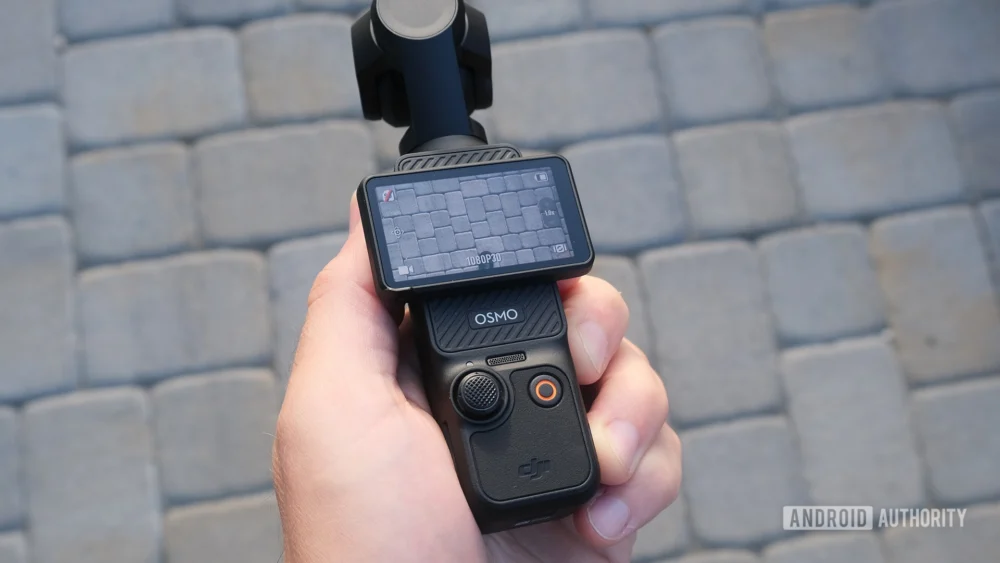
The proliferation of high-resolution smartphone cameras has undoubtedly democratized video capture, yet the fundamental challenge of achieving professional-grade, optically stabilized footage remains a significant hurdle for many aspiring and established content creators. While modern computational photography offers impressive digital stabilization, it cannot replicate the physical precision of a mechanical gimbal system. Enter the DJI Osmo Pocket 3, a device that fundamentally bridges the gap between smartphone convenience and professional cinematic smoothness. Currently, a remarkable promotional opportunity has surfaced, allowing consumers to acquire this advanced pocket cinema camera for $270 less than its standard retail price, bringing the acquisition cost down to a highly competitive $529. This substantial markdown, facilitated through a major online retailer, presents a critical juncture for those looking to dramatically elevate the quality and fluidity of their visual content, whether for vlogging, travel documentation, or niche creative projects.
The Evolution of Mobile Videography and the Gimbal Imperative
To fully appreciate the significance of this discount, one must contextualize the trajectory of mobile imaging technology. For years, the adage "the best camera is the one you have with you" held true, primarily because smartphones were always accessible. However, as video resolutions increased to 4K and frame rates pushed toward 60fps and beyond, the limitations of in-body stabilization became glaringly apparent during active shooting scenarios—walking, running, or maneuvering in dynamic environments. This is where specialized hardware like the Osmo Pocket series establishes its value proposition.
DJI, already a dominant force in the drone and professional gimbal markets, engineered the Osmo Pocket line to address this precise pain point: creating perfectly stabilized, high-fidelity video in an ultra-portable form factor. The Pocket 3 represents a significant evolutionary leap over its predecessors. Previous iterations often featured smaller sensors, which inherently struggled in varied lighting conditions, leading to increased noise and reduced dynamic range. The Pocket 3’s integration of a larger 1-inch CMOS sensor marks a paradigm shift, bringing its low-light performance and color fidelity much closer to dedicated mirrorless cameras, albeit in a package that fits within a jacket pocket.
Deep Dive into the Osmo Pocket 3’s Technological Advantage
The core competency of the Osmo Pocket 3 is its mechanical stabilization, powered by a sophisticated three-axis gimbal. This system actively counteracts unwanted movement across the pitch, roll, and yaw axes. For a journalist covering events on the move or a travel vlogger traversing uneven terrain, this translates directly into footage that avoids the jarring, amateur look often associated with handheld smartphone video. The smoothness achieved is often described as "buttery," a visual characteristic that immediately signals production value to the viewer.
Beyond stabilization, the imaging specifications of the Pocket 3 are robust. The ability to capture 4K video at up to 120 frames per second (fps) opens avenues for hyper-detailed slow-motion sequences, adding a layer of cinematic dynamism previously unattainable without bulky equipment. Furthermore, the inclusion of 10-bit color depth processing is critical for serious post-production work. 10-bit color captures billions of colors (compared to millions in 8-bit), offering far greater latitude for color grading, correcting exposure issues, and maintaining subtle tonal gradations in highlights and shadows without introducing banding artifacts. This feature alone elevates the device from a casual vlogging tool to a viable secondary camera for professional shoots.
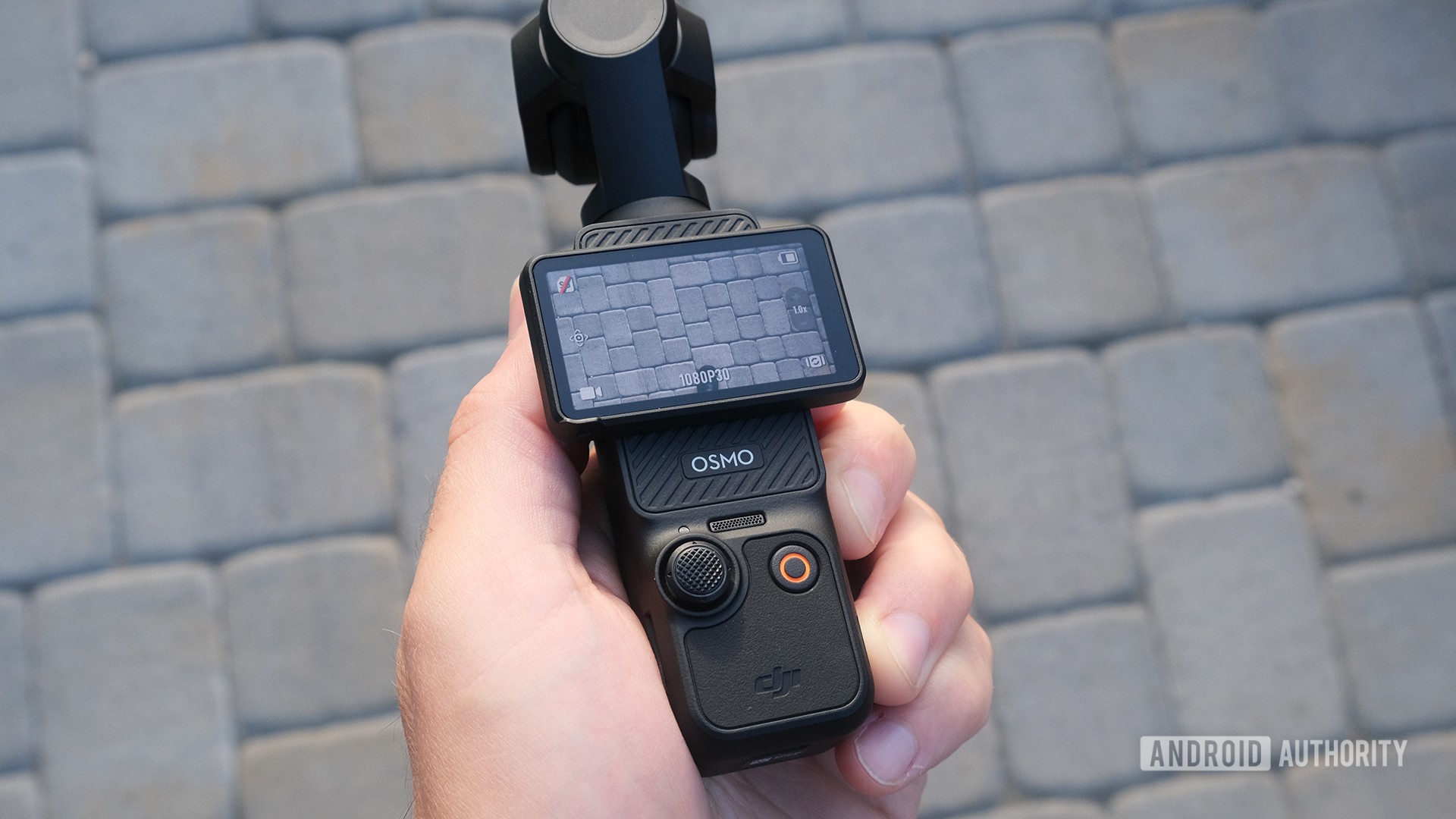
A perhaps understated, yet profoundly impactful, design change in the Pocket 3 is the introduction of the articulating 2-inch OLED touchscreen. Older models often relied on small, fixed screens or clumsy smartphone attachments. The Pocket 3’s screen rotates physically to switch between horizontal (landscape) and vertical (portrait) orientation instantly. This intuitive physical interaction speeds up workflow dramatically, particularly for creators targeting platforms like TikTok or Instagram Reels, which prioritize vertical video. The large, tactile controls complement the screen, offering precise, responsive operation even when wearing gloves or shooting quickly.
Industry Implications: The Blurring Lines of Professional Capture
This device’s aggressive feature set and current aggressive pricing signal several key trends within the imaging industry. Firstly, it underscores DJI’s strategic move to capture the prosumer and independent creator market segments, traditionally served by action cameras or entry-level interchangeable lens cameras (ILCs). By packing ILC-level sensor technology into a gimbal form factor, DJI is effectively creating a new hybrid category.
Secondly, the steep discount suggests a strategic push to increase market penetration, potentially in response to competitive pressure from smartphone manufacturers who continue to enhance their own in-body stabilization algorithms. By slashing the price by nearly a third, DJI makes the hardware investment in dedicated stabilization significantly more attractive than relying solely on software fixes. For educators, small business marketers, and documentary filmmakers working with constrained budgets, this represents an immediate opportunity to professionalize their output without substantial capital outlay.
The emphasis on audio integration, particularly compatibility with DJI’s proprietary wireless microphone systems, highlights the understanding that video quality is a holistic experience. Crisp, clear audio is often cited as more critical to viewer retention than perfect visuals. The seamless integration of high-quality wireless sound capture into such a compact system is a key differentiator against many smartphone setups which require external rigs or adapters for comparable performance.
Expert Analysis: Maximizing the Pocket 3’s Potential
From a technical standpoint, photographers and videographers should focus on leveraging the Pocket 3’s manual controls within the accompanying application suite. While auto modes are convenient, accessing the full potential of the 1-inch sensor demands control over ISO, shutter speed, and white balance. For instance, setting the shutter speed to twice the frame rate (e.g., 1/120s for 60fps footage) ensures the classic cinematic motion blur that users associate with high-quality video.
The 4K/120fps capability is often misunderstood as simply "faster video." In reality, its primary application is high-quality speed ramping—the ability to smoothly transition from normal speed to extreme slow motion within a single shot, providing visual emphasis to key moments. This requires careful planning in pre-production, as the high frame rate often necessitates brighter lighting conditions to maintain acceptable exposure levels.
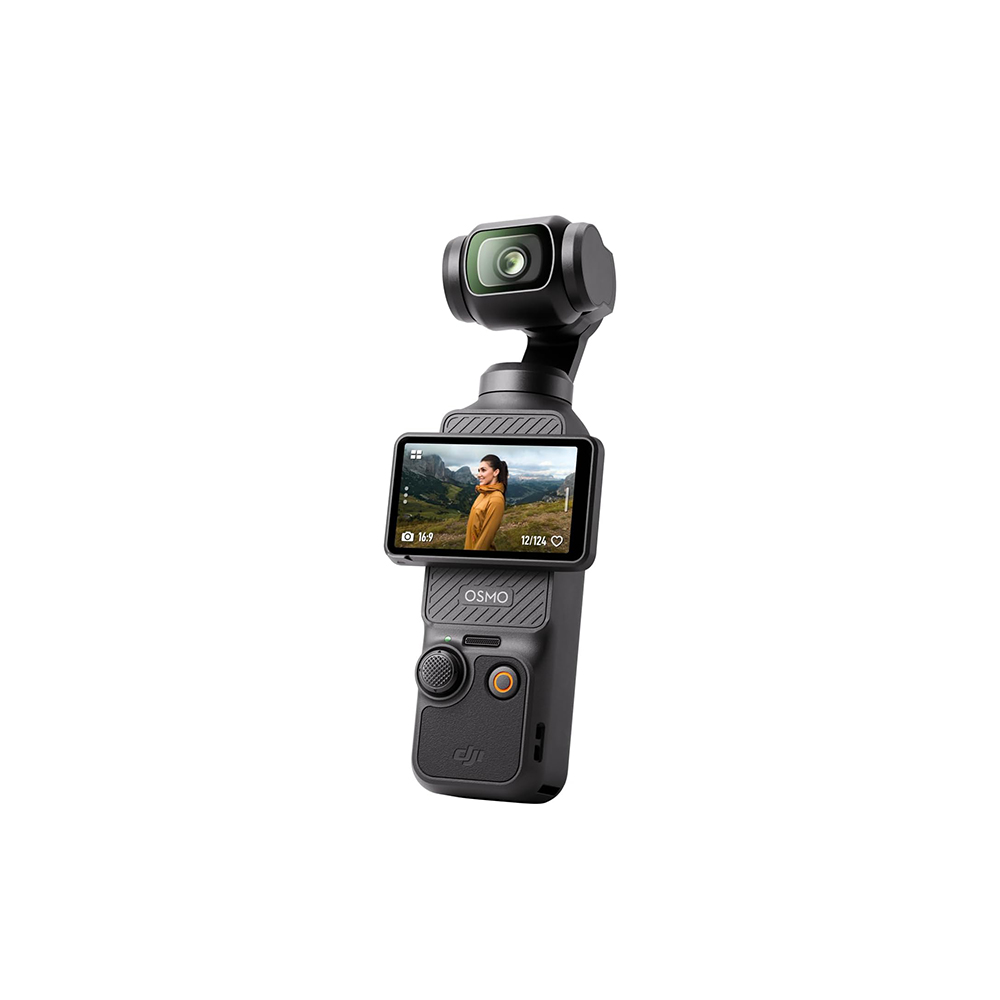
The "Creator Combo" package, often available alongside the base unit deal, warrants specific consideration. This bundle typically includes essential accessories such as an extended battery handle, a wide-angle lens attachment (useful for tight interior shots or immersive perspectives), a magnetic mini-tripod, and the aforementioned wireless microphone transmitter. Investing in the combo, even if the base unit is currently heavily discounted, often proves more economical in the long run than purchasing these accessories individually, especially for power users who require extended shooting times and professional audio capture.
Future Trajectories in Stabilized Imaging
The success of the Osmo Pocket 3 trajectory points toward several future trends in portable imaging technology. We anticipate further convergence between sensor technology, processing power, and mechanical stabilization. Future iterations will likely see even larger sensors (potentially Micro Four Thirds equivalents in pocket form factors) and AI-driven stabilization that can predict movement patterns rather than merely react to them.
Furthermore, the integration of advanced subject tracking—which the Pocket 3 already executes impressively with features like ActiveTrack—will become near-flawless. Imagine a device capable of maintaining perfect focus and framing on a subject running toward the camera, even if the subject momentarily leaves the frame, relying on learned environmental cues. This level of autonomy will further empower solo operators.
The current discount on the Pocket 3 serves as an excellent entry point for creators to adopt hardware that represents the current zenith of pocket-sized stabilization technology. It is not merely an incremental upgrade; it represents a foundational shift in what is achievable outside of professional camera rigs, making sophisticated, smooth, high-resolution video production accessible to a far wider demographic. For anyone serious about elevating their visual storytelling in the current media landscape, this price point makes the decision to invest in dedicated stabilization hardware an almost unavoidable strategic move. The ease of use, coupled with professional-grade optics and mechanics, ensures that clips recorded will possess a visual polish that current smartphone digital stabilization simply cannot match over extended periods or under challenging physical conditions. This deal represents not just a cost saving, but an investment in production quality that pays dividends immediately upon use. The ability to seamlessly transition between capturing immersive horizontal narratives and optimized vertical social content within seconds validates the Pocket 3’s design philosophy for the modern multi-platform creator economy. The $529 price point effectively neutralizes the primary barrier to entry for this class of specialized recording equipment.
