

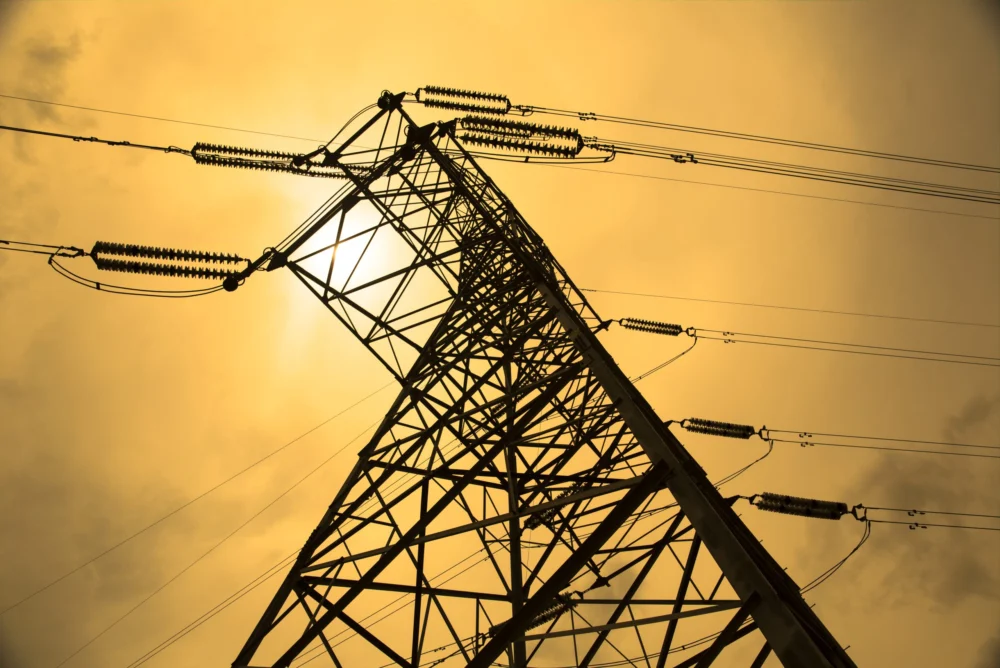
For decades, the highest compliment the electrical grid could receive was its utter silence—a testament to its reliable, near-invisible functionality woven into the fabric of modern life. That era of benign neglect has abruptly ended. Following high-profile catastrophic failures—such as the devastating wildfires exacerbated by outdated transmission infrastructure in California and the crippling deep freezes that exposed Texas’s resilience deficits—public awareness of the electrical grid’s fragility surged. However, it was the pivotal year of 2025 that shifted the grid from a matter of periodic concern to a central geopolitical and economic flashpoint, driven by an unprecedented convergence of explosive demand, volatile supply dynamics, escalating consumer pricing, and acute pressure on natural resources. This profound crisis has, paradoxically, created fertile ground for a new generation of technology ventures pitching software as the essential, immediate solution to a deeply rooted physical infrastructure challenge.
The primary engine behind this systemic stress is the relentless, accelerating expansion of artificial intelligence (AI) technologies. The sheer energy intensity required to train and run large language models and global computing clusters has triggered an epochal demand shock. This year alone, the United States has seen electricity rates climb by an estimated 13%, a spike directly correlated with the voracious appetites of data centers. The pursuit of power has led to almost surreal infrastructural adaptations, ranging from the repurposing of highly efficient supersonic jet engines to serve as dedicated natural gas turbines for high-density data operations, to ambitious, long-term engineering projects focused on beaming photovoltaic power down from orbiting solar farms.
This demand trajectory shows no signs of abatement. Industry forecasts project that the electricity consumption of global data centers could nearly triple within the next ten years. Such staggering growth has generated powerful socioeconomic ripple effects. Consumers are voicing palpable frustration regarding rising energy prices, while powerful environmental coalitions have escalated their opposition, demanding immediate nationwide moratoriums on all new data center construction until the sustainability crisis is addressed. Utility companies, historically slow-moving and accustomed to operating outside the immediate public gaze, are now caught in a frantic race against time. They must rapidly procure new generation capacity and execute complex, costly grid modernization projects to handle the surging load—all while navigating the latent, unsettling fear that the current AI investment bubble might eventually burst, leaving them saddled with expensive, underutilized infrastructure.
This high-stakes confluence of overwhelming demand, political pressure, and financial anxiety is creating a generational opportunity for software-centric startups. Where traditional infrastructure planning is measured in decades and billions of dollars in capital expenditure (CAPEX), software promises speed, precision, and relatively low-cost deployment.
The Search for Latent Capacity: Software-Defined Siting
One of the most immediate problems facing grid operators and new energy consumers (like hyper-scale data center developers) is the inability of legacy systems to accurately pinpoint existing spare capacity. The grid is a decentralized, messy patchwork, and much potential power remains untapped simply because the data systems necessary to locate, verify, and permit its use are inadequate.
This inadequacy is the target of companies specializing in capacity mapping and optimization. Startups such as Gridcare and Yottar are advancing the radical argument that tens, perhaps hundreds, of gigawatts of usable capacity are effectively "hiding" within the existing transmission and distribution network. They contend that robust, data-driven software can unlock this latent power far faster than constructing new power lines or substations.
Gridcare, for instance, employs sophisticated predictive analytics and deep data integration to optimize site selection. Their platforms synthesize massive, disparate datasets—covering everything from the physical condition of transmission lines, real-time fiber-optic connection availability, probabilistic modeling of extreme weather events, and even parsing community sentiment data relevant to permitting processes. By doing so, they can identify sites previously overlooked by conservative utility planning, providing the verifiable assurance needed to convince regulators and utilities that the existing grid segments can reliably absorb the load. Gridcare’s approach effectively transforms physical infrastructure planning from a static, conservative process into a dynamic, data-optimized exercise.
Similarly, Yottar focuses on facilitating rapid interconnection for medium-sized energy users who might otherwise be lost in the massive queue dominated by major data center developers. Yottar’s software overlays known capacity bottlenecks with the granular needs of smaller entities, streamlining the often-byzantine bureaucratic process of securing connection permits and dramatically reducing the time-to-power for crucial commercial operations. This software layer acts as a critical intermediary, turning the complex, physical reality of the grid into an accessible, searchable database of available power slots.
Orchestrating Decentralization: The Rise of Virtual Power Plants
The energy transition is defined not just by increased demand, but by a fundamental shift away from centralized generation (large power plants) toward Distributed Energy Resources (DERs)—fleets of solar panels, wind turbines, and, crucially, battery storage scattered across residential, commercial, and industrial sites. Managing these disparate, intermittent, and geographically spread assets requires an unprecedented level of digital coordination.
This is the domain of the Virtual Power Plant (VPP), a sophisticated software construct that aggregates these individual storage units into a cohesive, dispatchable resource capable of functioning as a single, multi-megawatt power source. VPPs are vital for grid stability, offering swift response capabilities during peak demand periods or sudden supply interruptions—flexibility that conventional thermal power plants simply cannot match.
In Texas, a region acutely aware of grid vulnerability, Base Power is executing a capital-intensive VPP strategy by leasing residential battery storage systems to homeowners at subsidized rates. While the homeowners gain essential backup power for localized outages, Base Power retains the right to aggregate and dispatch the stored energy capacity during high-stress periods. This aggregated capacity is then sold back to the grid, stabilizing supply and mitigating the risk of widespread blackouts. This model effectively monetizes residential hardware for utility-scale resilience.
A different approach is taken by Terralayr, which operates primarily on European grids. Terralayr avoids the hardware leasing model entirely, focusing instead on pure software aggregation. Their platform bundles existing, already-installed distributed storage assets across the German grid, using machine learning to predict optimal charge/discharge cycles based on market pricing and system needs. This demonstrates the pure power of software to create immediate value from existing physical assets without requiring new CAPEX investment from the utility side.
Further solidifying this trend are companies like Texture, Uplight, and Camus, which are building essential software layers designed to integrate and coordinate various DERs. Their platforms function as the operating system for the modern, decentralized grid, ensuring that assets like wind farms, solar arrays, and batteries are orchestrated dynamically. The central objective is to minimize idle time and maximize the contribution of every electron to the overall system stability, thereby enhancing grid efficiency and reducing the need for costly, fossil-fuel-dependent peaker plants.
Modernizing the Core: AI in Operations and Bureaucracy
The challenges facing the electrical grid are not solely technical; they are also deeply rooted in outdated operational technology (OT) and labyrinthine regulatory bureaucracy. For decades, grid operators relied on proprietary, isolated systems designed for a one-way flow of power. The shift to a bidirectional, dynamic grid requires a fundamental computational overhaul.
Major technology players are now collaborating with entrenched power industry institutions to address these core infrastructure issues using advanced AI. Nvidia, recognizing that its own chips are driving the energy crisis, has partnered with the Electric Power Research Institute (EPRI)—the leading power industry R&D organization—to develop industry-specific AI models. The hope is that these models can process the enormous streams of data flowing from smart meters and sensors to predict component failures, optimize load balancing, and dramatically improve both system efficiency and resilience across the transmission network. This initiative aims to leapfrog decades of legacy system stagnation.
Equally critical is addressing the administrative logjam that inhibits the integration of new, clean energy sources. Regional transmission organizations (RTOs) like PJM, which coordinates the flow of power across a vast swath of the Eastern U.S., face overwhelming backlogs of interconnection requests. These queues, which include applications for new solar farms, battery storage facilities, and modernized transmission links, can stretch for years, effectively stifling the clean energy transition. Google is now collaborating with PJM, applying sophisticated AI and machine learning techniques to help sift through and prioritize this massive administrative backlog. By automating the review of technical requirements and environmental compliance documents, AI offers a crucial tool to untangle the regulatory spaghetti, allowing new power sources to connect and contribute faster.
The Inflection Point: Software’s Strategic Advantage
The adoption of these digital solutions, while compelling, is not guaranteed to be instantaneous. Utilities are inherently conservative enterprises, characterized by a deep aversion to risk due to the paramount need for continuous reliability. Historically, they have also been slow to invest in infrastructure upgrades because new assets are enormously costly and possess life cycles that can exceed fifty years. Ratepayers and political regulators often scrutinize and ultimately balk at significant capital projects that lead to substantial increases in monthly utility bills.
This institutional inertia provides software with its most compelling strategic advantage: affordability and rapid deployment. If a software solution can definitively clear the rigorous reliability hurdle—proving it can maintain or even enhance grid stability—it bypasses the decades-long permitting and construction timelines associated with physical infrastructure. Software is measured in months of implementation and operational expenditures (OPEX), not years of CAPEX and construction risk.
Looking toward 2026 and beyond, the digitization of the grid is rapidly transitioning from a niche experiment to a core infrastructural strategy. While software cannot fully obviate the need for physical refurbishment and expansion—the sheer magnitude of electrification, encompassing transportation, industrial heating, and residential power, demands more raw generating capacity—it is the indispensable tool for optimization. Software buys the necessary time, extracts maximum value from existing assets, and ensures that every new megawatt of generation capacity is integrated and utilized with precision. Ignoring the cheap, flexible, and speedy deployment potential of these digital solutions would be a profound strategic error, risking a critical slowdown in both the clean energy transition and the maintenance of modern societal function under the strain of exponential AI demand. The future of reliable power rests on code, not just concrete.
