

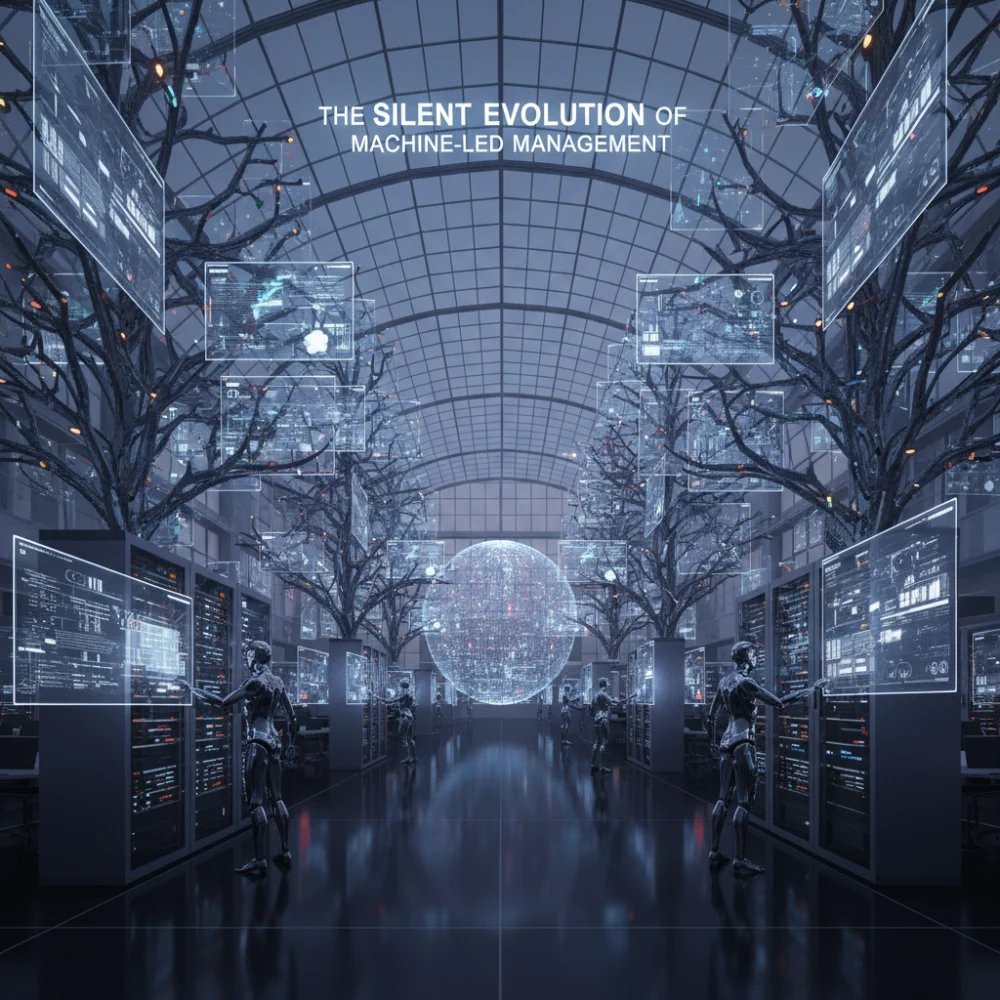
Introduction: The Dawn of Algorithmic Leadership
The modern workplace is undergoing a seismic shift, a silent evolution driven by the increasing capabilities of artificial intelligence. We are entering an era where machine-led management is no longer a futuristic fantasy but a tangible reality, subtly reshaping organizational structures and redefining the very nature of work. This article delves into the multifaceted aspects of this transformation, exploring its implications, benefits, challenges, and the ethical considerations that accompany it.
Defining Machine-Led Management
Machine-led management, at its core, involves the utilization of AI and machine learning algorithms to automate and optimize managerial tasks. This extends beyond simple automation of routine processes; it encompasses decision-making, performance evaluation, resource allocation, and even employee engagement strategies. These systems analyze vast datasets, identify patterns, and provide data-driven insights that enable managers to make more informed and efficient decisions.
The Rise of AI in Decision-Making
One of the most significant impacts of machine-led management is the augmentation of human decision-making. AI algorithms can process and analyze colossal amounts of data far exceeding human capacity. This allows for the identification of trends, correlations, and potential risks that might otherwise go unnoticed. By providing data-driven recommendations, AI empowers managers to make more objective and strategic choices, minimizing biases and maximizing positive outcomes.
Performance Evaluation and Optimization
Traditional performance reviews are often subjective and prone to human biases. Machine-led management introduces a more objective and data-driven approach to performance evaluation. AI algorithms can track employee performance metrics, identify areas for improvement, and provide personalized feedback. This not only enhances individual performance but also optimizes team dynamics and overall productivity.
Resource Allocation and Efficiency
Efficient resource allocation is crucial for organizational success. Machine-led management systems can analyze resource utilization patterns, identify bottlenecks, and optimize the allocation of resources to maximize efficiency and minimize waste. This includes optimizing workforce scheduling, managing inventory levels, and streamlining operational processes.
Enhancing Employee Engagement
Contrary to the misconception that AI will dehumanize the workplace, machine-led management can actually enhance employee engagement. By automating routine tasks and providing personalized support, AI can free up managers to focus on more strategic and human-centric activities, such as mentoring, coaching, and fostering a positive work environment. AI-powered chatbots can also provide employees with instant access to information and support, improving their overall experience.
The Benefits of Machine-Led Management
The advantages of adopting machine-led management are numerous and far-reaching. These include increased efficiency, improved decision-making, enhanced employee engagement, reduced costs, and greater agility. Organizations that embrace this technology are better positioned to adapt to changing market conditions and maintain a competitive edge.
Addressing the Challenges and Concerns
While the potential benefits of machine-led management are significant, it is crucial to address the challenges and concerns associated with its implementation. These include data privacy, algorithmic bias, job displacement, and the need for workforce training. Organizations must proactively address these issues to ensure a responsible and ethical transition to machine-led management.
Data Privacy and Security
The reliance on data in machine-led management raises concerns about data privacy and security. Organizations must implement robust data protection measures to safeguard sensitive employee information and prevent unauthorized access. This includes adhering to data privacy regulations and implementing strong cybersecurity protocols.
Algorithmic Bias and Fairness
AI algorithms are trained on data, and if that data reflects existing biases, the algorithms will perpetuate those biases. This can lead to unfair or discriminatory outcomes in areas such as hiring, promotion, and performance evaluation. Organizations must actively work to identify and mitigate algorithmic bias to ensure fairness and equity.
The Future of Human-Machine Collaboration
The future of management is not about replacing human managers with machines but rather about fostering a collaborative partnership between humans and AI. Human managers bring unique skills such as empathy, creativity, and critical thinking, while AI provides data-driven insights and automates routine tasks. The most successful organizations will be those that can effectively leverage the strengths of both humans and machines.
Retraining and Upskilling the Workforce
The transition to machine-led management will require a significant investment in workforce training and upskilling. Employees will need to develop new skills to work effectively alongside AI systems and to adapt to changing job roles. Organizations must provide opportunities for employees to learn new technologies and develop the skills needed to thrive in the AI-driven workplace.
Ethical Considerations and Responsible AI
The development and deployment of machine-led management systems must be guided by ethical principles. Organizations must ensure that AI is used responsibly and ethically, with a focus on fairness, transparency, and accountability. This includes establishing clear guidelines for the use of AI, monitoring its impact, and addressing any unintended consequences.
Case Studies: Real-World Applications
Several organizations have already begun to implement machine-led management with impressive results. These case studies demonstrate the practical applications of AI in areas such as human resources, operations, and customer service. By examining these examples, organizations can gain valuable insights into how to effectively implement machine-led management in their own operations.
Conclusion: Embracing the Future of Management
Machine-led management is not a fleeting trend but a fundamental shift in the way organizations operate. By embracing this technology and addressing the associated challenges, organizations can unlock significant benefits and create a more efficient, productive, and engaged workforce. The future of management is here, and it is powered by the intelligent collaboration of humans and machines. The key is to approach this evolution thoughtfully and ethically, ensuring that AI serves humanity and creates a better future for all.
