

The North American mobile technology landscape presents a distinct challenge for hardware innovators. While global markets embrace a dizzying array of manufacturers, the US consumer experience is overwhelmingly defined by a triumvirate: Apple, Samsung, and, to a lesser extent, Google and Motorola. This oligopoly has stifled genuine differentiation, leaving consumers with iterative upgrades rather than paradigm shifts. For any challenger brand to secure a meaningful foothold in this saturated environment, they must offer something fundamentally unattainable from the established giants—a compelling, non-standard value proposition.
Currently, the most intriguing alternative narratives emerging from the fringe are being championed by two companies: Nothing, with its focus on transparent aesthetics and niche "vibe," and Fairphone, dedicated to repairability and ethical sourcing. Having spent considerable time evaluating the Fairphone 6, particularly the Murena-distributed version featuring the privacy-focused e/OS, the conclusion is striking: Fairphone’s commitment to substance over superficial style represents the precise corrective dose the rigid US Android market desperately requires.
The Context of Constraint: Why Novelty Isn’t Enough in the US
The core struggle for any smaller Android OEM attempting US entry lies in overcoming carrier lock-in and entrenched brand loyalty. Consumers accustomed to subsidized flagship pricing and immediate software support are inherently resistant to risk. To entice them, new entrants typically lean on either aggressive pricing or revolutionary features.
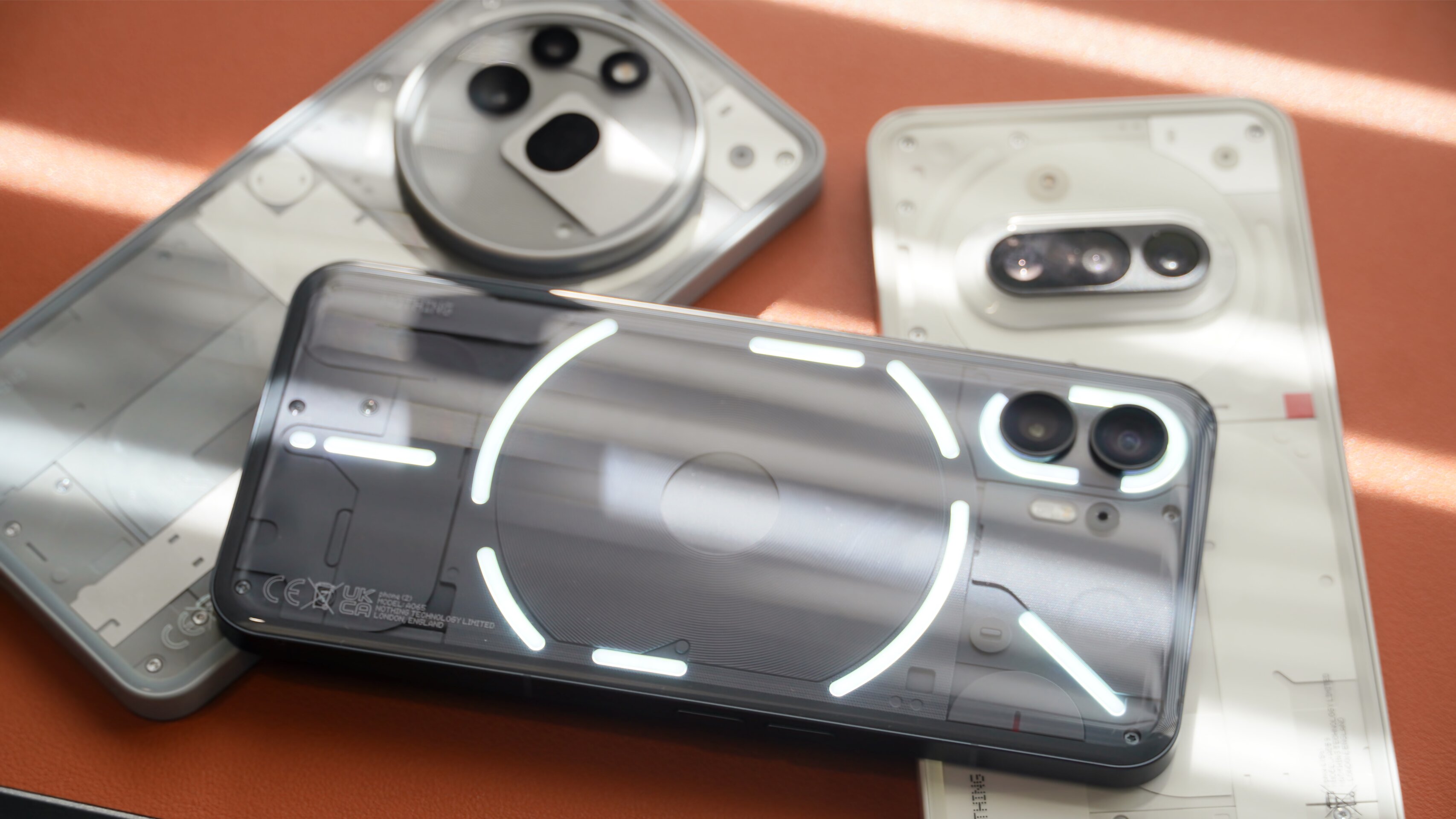
Nothing has opted for the former with its mid-range offerings (like the purported Phone 3a series) while attempting to position its flagship models (such as the Nothing Phone 3) as lifestyle statements. Their primary differentiator—the exposed internal components and the customizable Glyph lighting system—is undeniably novel. However, as an experienced technology observer, I find Nothing’s approach ultimately falls short of meaningful innovation. The transparency is curated; it’s a visual effect, not an operational advantage. When stacked against other brands experimenting with genuine functional novelties—the dual USB-C ports and integrated audio jack on the Asus ROG Phone 9 Pro, or the advanced thermal management of the Redmagic 11 Pro’s visible cooling loop—Nothing’s Glyph Matrix feels increasingly like elaborate window dressing. It offers style without demonstrable, long-term utility that justifies a premium price point.
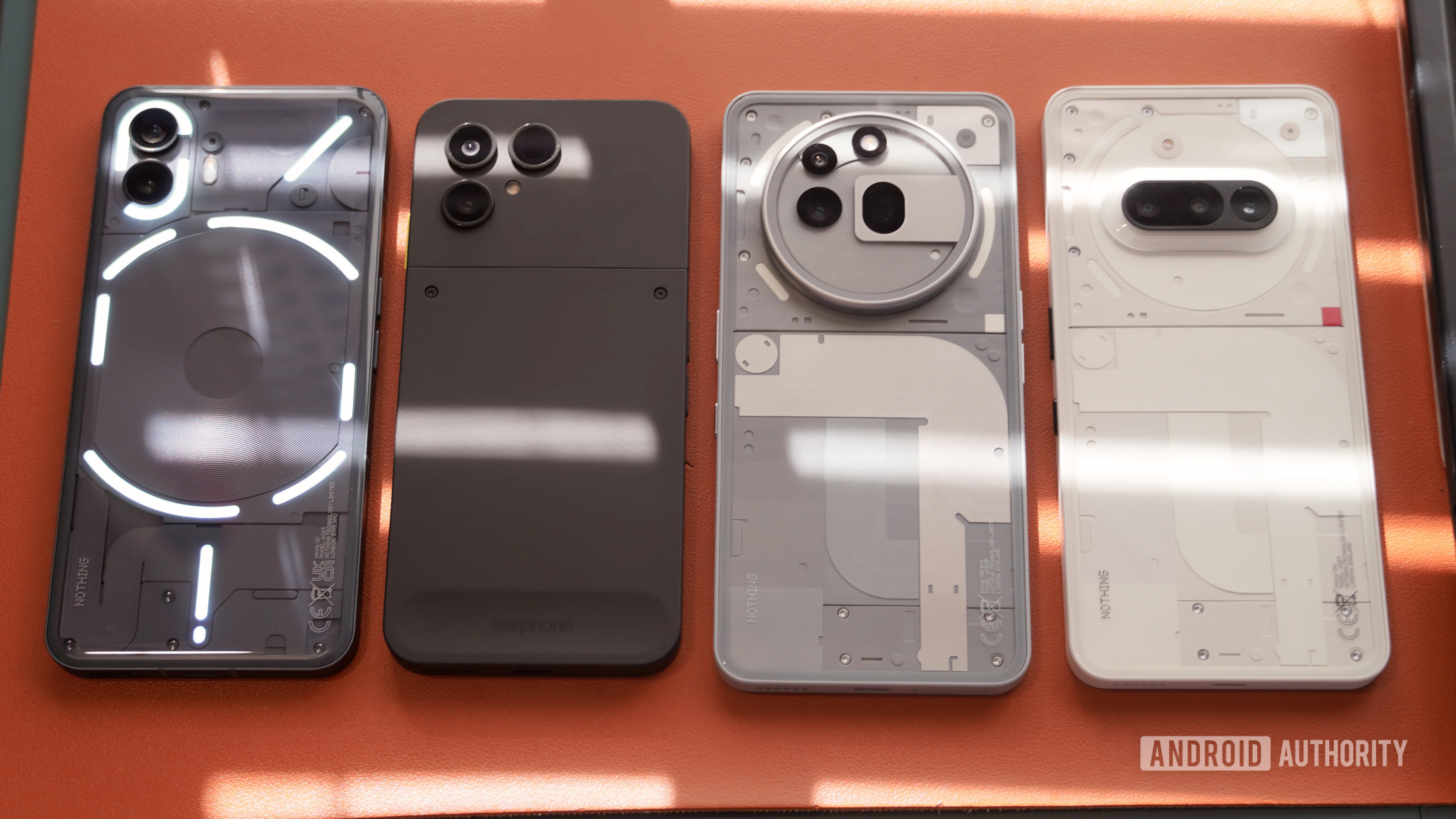
The current Nothing lineup illustrates a strategic ambiguity. The value-oriented models target budget-conscious buyers, while the higher-end models demand flagship dollars based almost entirely on design cachet. This fractured strategy fails to build a cohesive brand identity centered on a core, indispensable user benefit. In contrast, the Fairphone 6, despite sharing a similar pricing bracket with the flagship Nothing devices, anchors its value proposition in longevity and accountability.
Fairphone 6: Utility Forged in Modularity
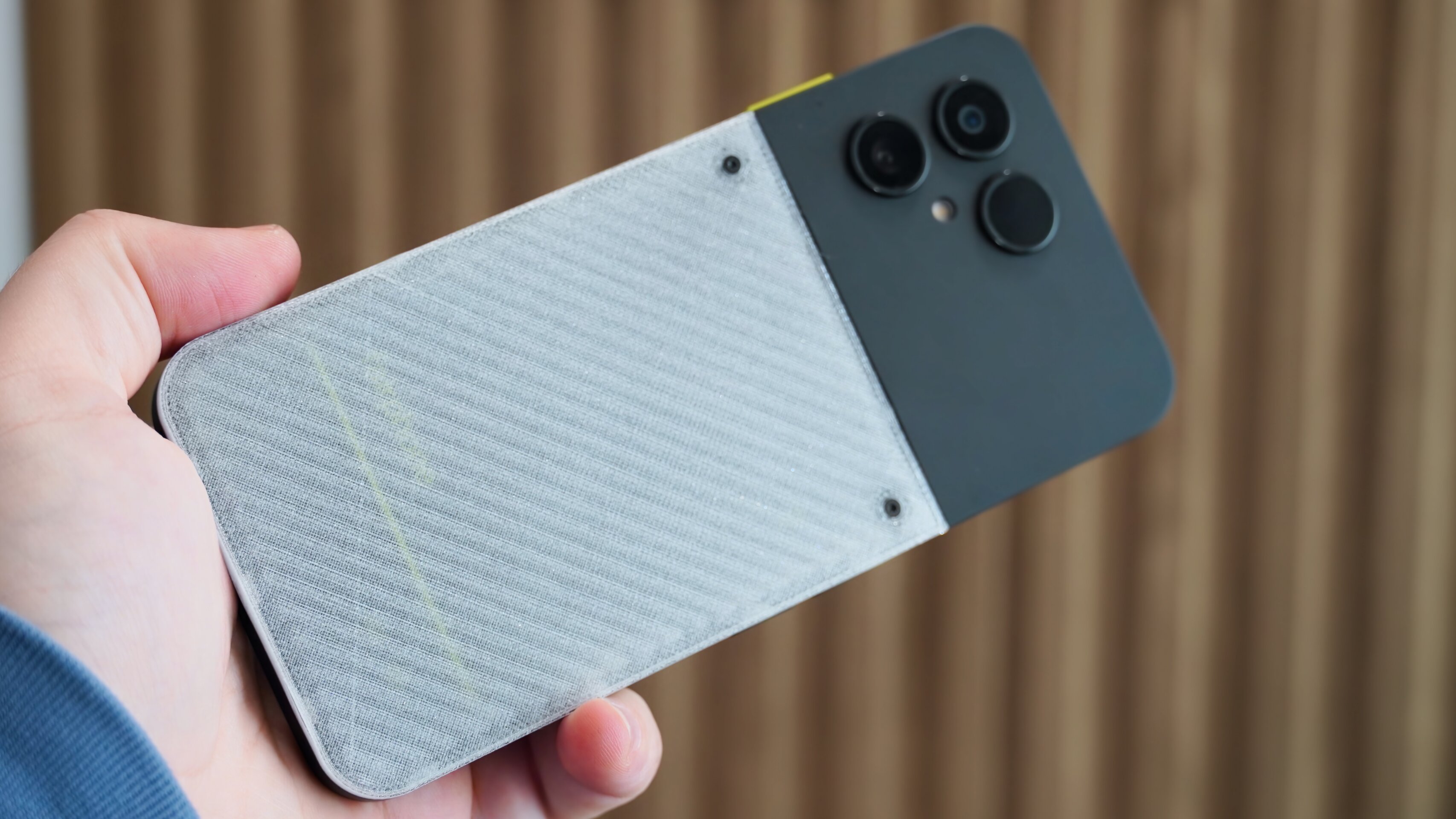
The difference between Nothing’s design philosophy and Fairphone’s becomes apparent upon handling the Fairphone 6. Where Nothing hides its engineering behind ornamental glass, Fairphone deliberately exposes its framework, inviting interaction. The design elements—the tactile yellow accent slider, the subtly textured recycled composite chassis, and most crucially, the two visible Torx screws—signal an entirely different user contract. These screws secure a rear panel that is not merely aesthetic but fundamentally functional.
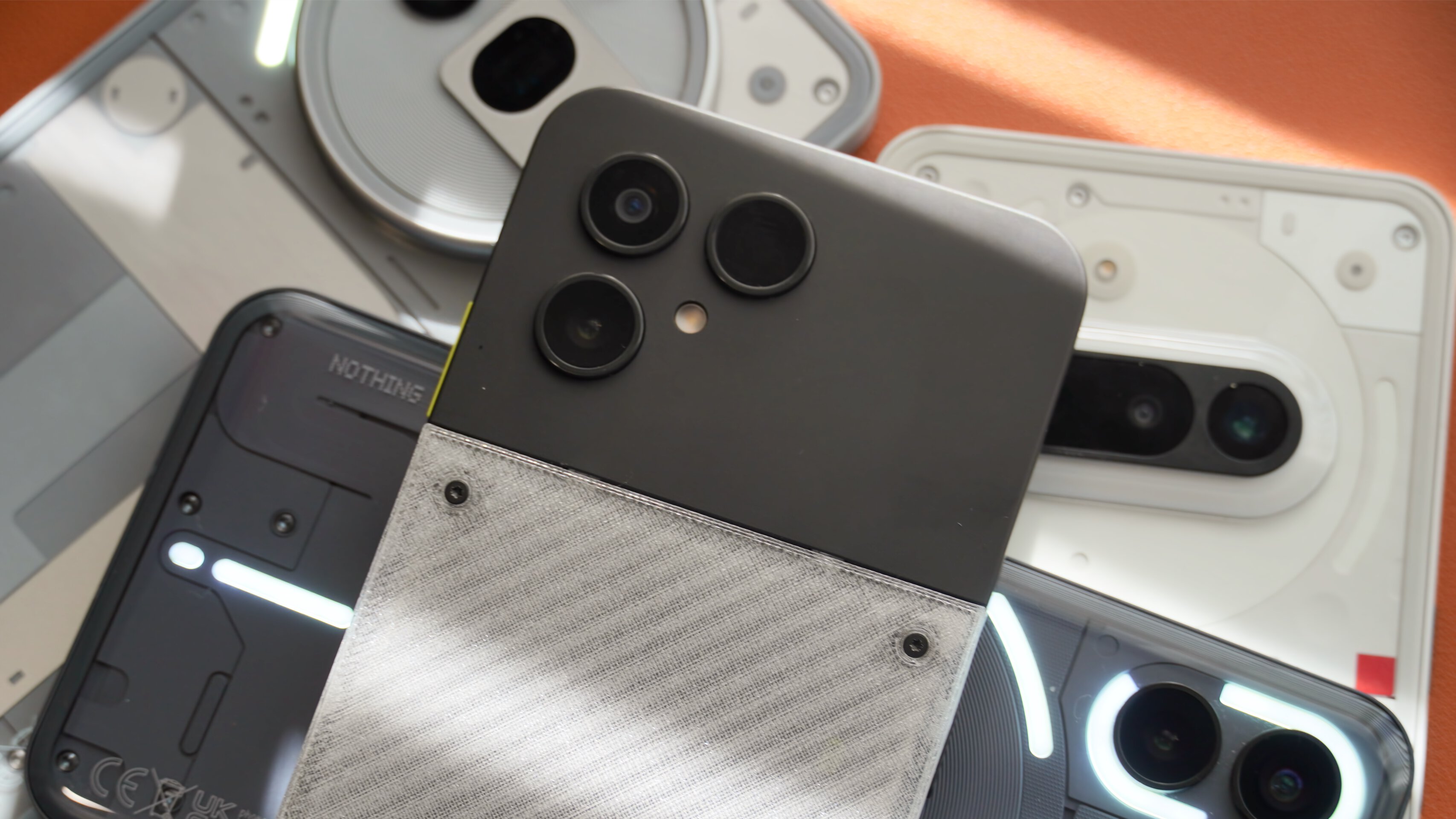
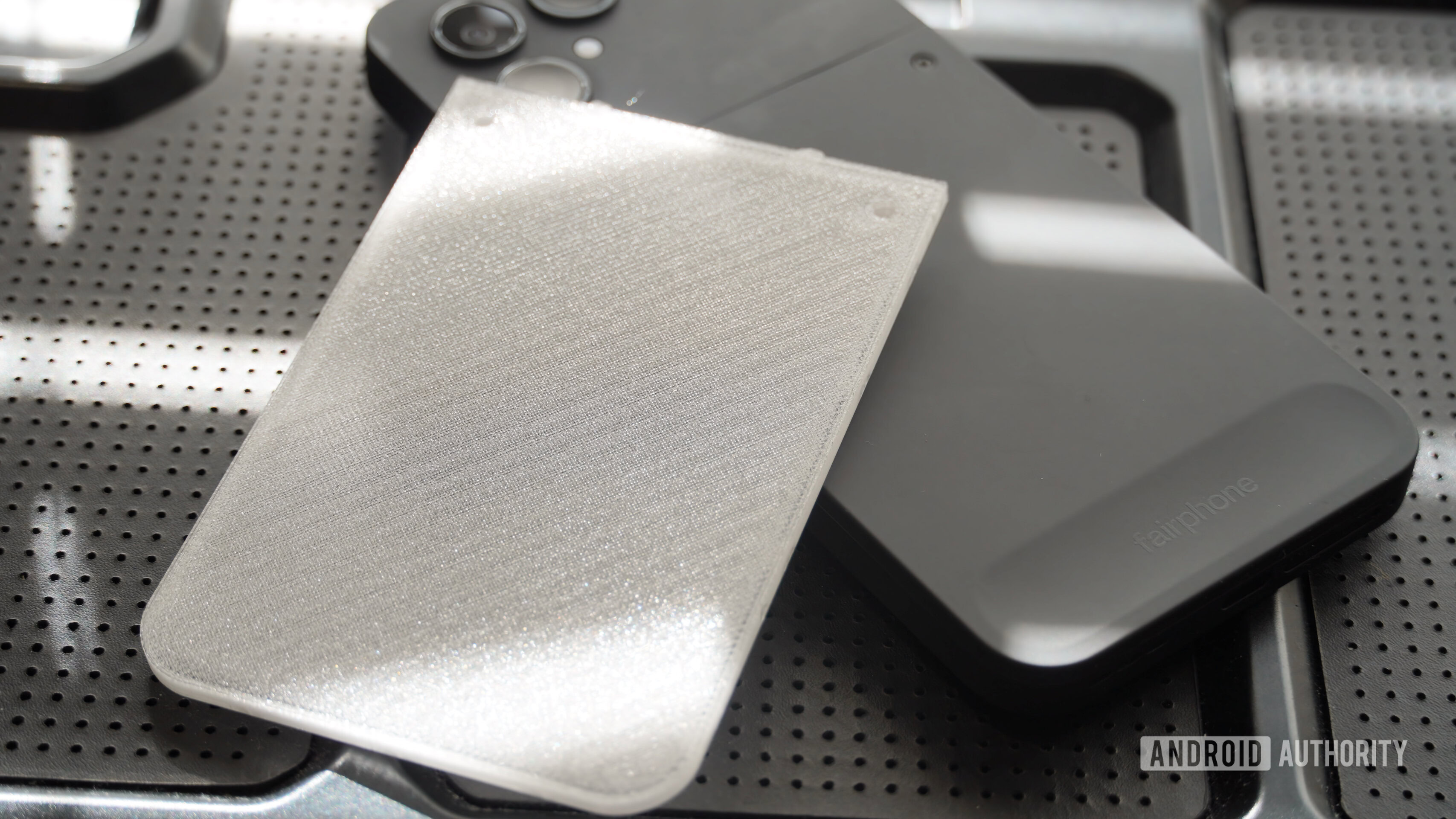
This modularity moves beyond the superficial customization Nothing flirted with on the CMF Phone 1, a feature quickly abandoned. The Fairphone 6’s backplate is designed for easy removal, unlocking genuine user empowerment. This system supports first-party accessories like integrated card wallets or secure finger loops, but the true excitement lies in the accessibility for the DIY community. The ability for users to 3D print custom backplates—I tested a custom translucent replacement—transforms the device from a static piece of hardware into a customizable platform. This level of user-driven physical adaptation is absent from the mainstream ecosystem.
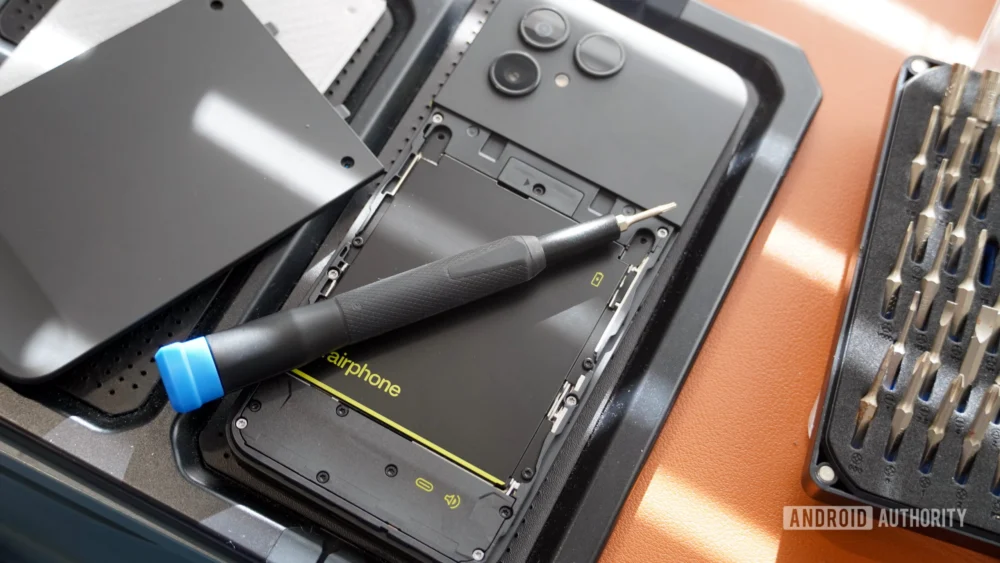
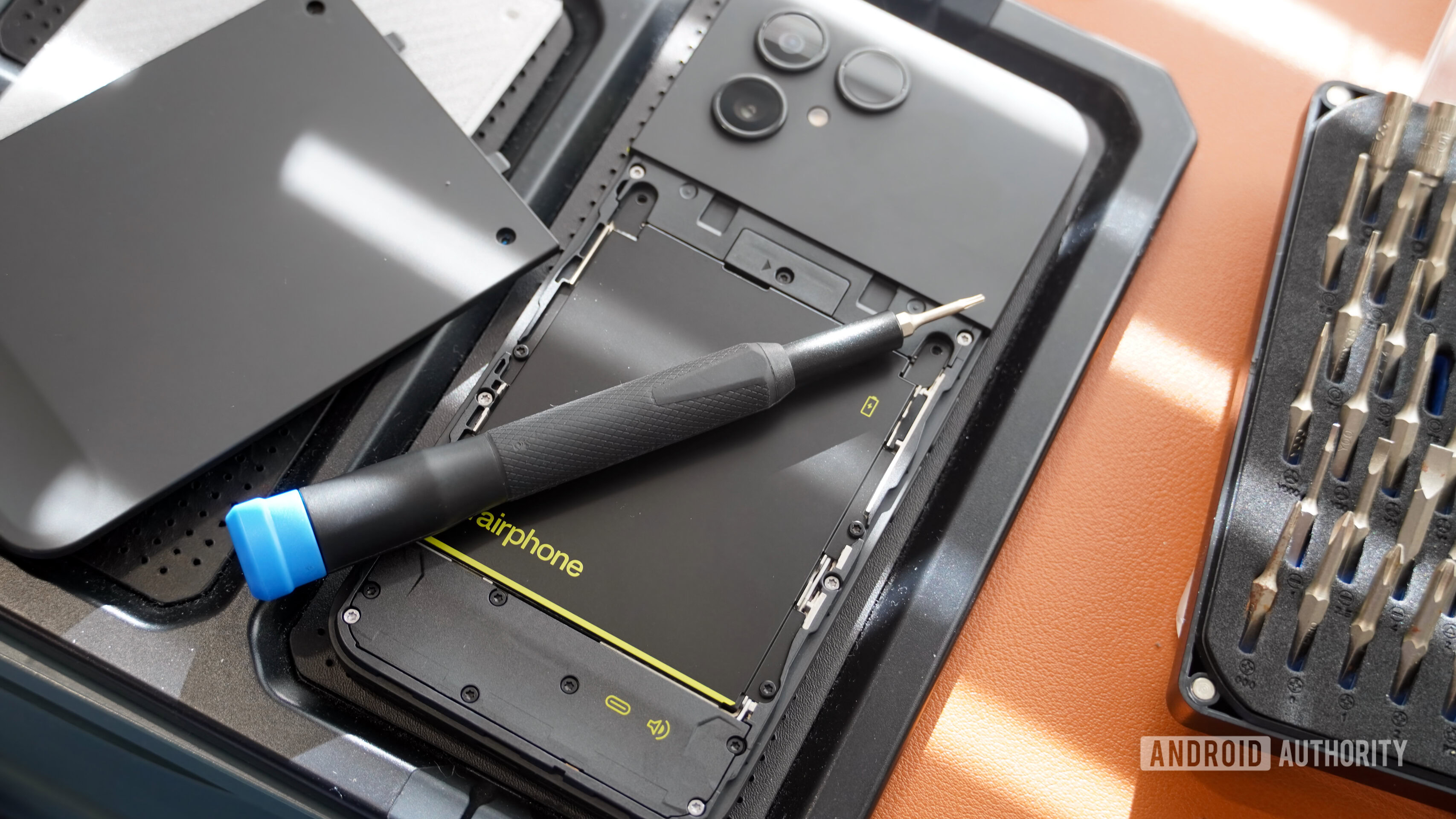
However, the centerpiece of Fairphone’s proposition is uncompromising repairability. The company engineers the device not for a two-year lifecycle, but for extended utility. Replacing key components—the battery, display assembly, cameras, and even the USB-C charging port—is streamlined to require only the included Torx T5 screwdriver. Analyzing the procedure for a battery swap, which involves removing only seven screws, underscores the commitment. For approximately $47, a user can restore the device’s primary consumable part, effectively resetting the clock on its usable lifespan. This contrasts sharply with the standard practice where a failed battery necessitates an expensive professional repair or, more commonly, outright device replacement.
Expert Analysis: Deconstructing Value Beyond the Benchmark
Objectively assessing the Fairphone 6 requires looking past traditional benchmark performance. The device utilizes a Qualcomm Snapdragon 7s Gen 3 processor. In a direct specification comparison against contemporary flagship chips, the 7s Gen 3 is undeniably modest, occasionally introducing minor lag during intensive multitasking. This aligns with the inherent trade-off: premium pricing paired with mid-range silicon.
Yet, this is precisely where the comparison with Nothing becomes instructive. Nothing’s higher-priced models often feature processors that, while better specified than the Fairphone’s, still do not achieve true flagship performance, yet they lack the longevity guarantee. The Fairphone 6’s $840 MSRP—especially when factoring in the Murena software layer that provides an immediate privacy upgrade via de-Googled e/OS—is an investment in endurance. If a user anticipates owning and maintaining the Fairphone 6 for four to five years, the effective annual cost plummets, rendering the initial price far more palatable than a competitor whose resale value or functionality degrades significantly after 30 months.
Furthermore, the inclusion of a 2TB expandable microSD card slot addresses a fundamental constraint in modern smartphones, where manufacturers increasingly rely on expensive internal storage tiers. This small addition contributes significantly to the device’s long-term viability for media-heavy users.
The ethical and supply chain transparency integral to the Fairphone brand adds another dimension of value that resonates with a growing segment of tech-savvy, socially conscious consumers. While Nothing focuses on aesthetic disruption, Fairphone addresses systemic industry problems: conflict minerals, poor labor conditions, and planned obsolescence. For the niche segment of US tech enthusiasts looking to break free from the duopoly, this moral premium is a powerful motivator that simple design cannot replicate.
Industry Implications and Future Trajectories
The existence and viability of the Fairphone 6, even in its limited US availability via Murena, sends a significant signal to the broader industry: there is a viable, albeit niche, market for devices predicated on longevity and user sovereignty.
The implications for the US market are profound. If consumers begin to prioritize Total Cost of Ownership (TCO) over initial purchase price or benchmark scores, the current model—which relies on rapid replacement cycles—becomes financially precarious for manufacturers. Fairphone forces a re-evaluation of the hardware-as-disposable-asset paradigm.
This trend aligns with emerging legislative movements worldwide, particularly in Europe, emphasizing "Right to Repair." While the US regulatory environment lags, consumer demand is accelerating independently. The Fairphone 6 demonstrates that a manufacturer can build a device that satisfies modern connectivity and performance needs while simultaneously adhering to principles of circularity.
For competitors like Nothing, their current strategy of relying on ephemeral style appears unsustainable in the long run. Style fades; functional utility endures. If Nothing were to incorporate genuine repairability or superior software update guarantees into their higher-end models, they could bridge the gap between their aesthetic appeal and the substantive value offered by Fairphone. As it stands, Nothing offers temporary novelty; Fairphone offers enduring capability.
Conclusion: The Necessary Shift in US Consumer Focus
My experience with the Fairphone 6 confirms a core belief: the US smartphone segment requires a champion of sustainability and user control to challenge the status quo. While I appreciate the ambition behind Nothing’s design-led approach, it ultimately fails to provide the deep, functional value that justifies consumer migration from established players.
The Murena Fairphone 6, despite its slightly underpowered chipset, delivers tangible, lasting benefits: radical repairability, ethical assurance, and software control (via e/OS). These features translate directly into a lower long-term environmental footprint and greater financial prudence for the owner. The device makes a compelling case that the next great innovation in mobile technology isn’t a faster chip or a brighter screen, but a commitment to making the hardware last.
While the US market remains dominated by the established giants, the Fairphone 6 serves as an essential, tangible example of an alternative path—one focused on engineering for permanence rather than obsolescence. This philosophy is not just an appealing option for a fringe group; it represents the necessary direction for a healthier, more sustainable, and ultimately more engaging Android ecosystem in North America. I cannot advocate for purchasing a Nothing phone based on its current offerings, but the Fairphone 6 presents a strong, value-driven argument for investment.
