

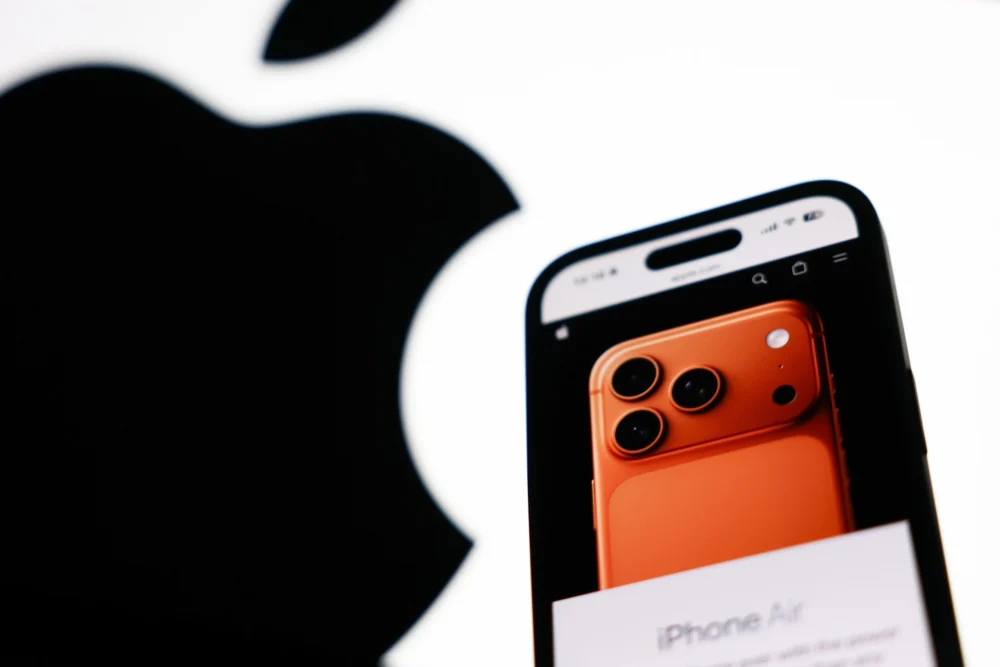
The pursuit of the "uninterrupted slab of glass" has been the north star of smartphone industrial design for over a decade. Since the removal of the physical home button with the advent of the iPhone X in 2017, Apple has been locked in a delicate dance between the functional requirements of its industry-leading Face ID biometric system and the aesthetic desire for a bezel-less, cutout-free display. While the transition from the intrusive "notch" to the interactive "Dynamic Island" in 2022 represented a clever software-driven compromise, the physical footprint of the sensors has remained largely stagnant. However, new technical dossiers emerging from the supply chain suggest that the iPhone 18 Pro is poised to deliver the most significant visual evolution of the device’s face in years, driven by a radical miniaturization of the sensor housing.
According to recent technical specifications circulating among industry analysts, Apple is preparing a major overhaul of the Dynamic Island for its 2026 flagship lineup. The current iteration of the Dynamic Island, which houses the TrueDepth camera system and various proximity sensors, has maintained a consistent width of approximately 20.76 mm since its debut on the iPhone 14 Pro. New data suggests that for the iPhone 18 Pro and iPhone 18 Pro Max, Apple has successfully engineered a reduction in this width to just 13.49 mm. This represents a staggering 35% reduction in the horizontal footprint of the cutout, a change that will fundamentally alter the visual balance of the iOS interface.
The Engineering Feat: Moving Beneath the Pixels
The primary question facing technologists is how Apple intends to achieve such a drastic reduction without compromising the security or speed of Face ID. The most plausible explanation lies in the long-rumored transition to under-display sensor technology. In the current iPhone architecture, the Dynamic Island must accommodate three primary components: the infrared camera, the dot projector, and the flood illuminator.
Industry insiders suggest that Apple has finally reached a point of industrial readiness for under-display Face ID components—specifically the flood illuminator and potentially the proximity sensor. By moving these elements beneath the active pixels of the OLED panel, Apple can maintain the functionality of its biometric authentication while physically removing them from the visible cutout. This would leave only the front-facing camera and the dot projector requiring a direct line of sight through a physical opening. The resulting 13.49 mm "island" would be significantly more discreet, leaning closer to the "hole-punch" designs seen in the Android ecosystem, yet retaining the unique software-integrated utility that defines the modern iPhone experience.
A New Benchmark in Luminance
While the physical footprint of the display is shrinking, its performance capabilities are reportedly expanding to levels previously thought unattainable for mass-produced mobile devices. Reports from the Asian supply chain indicate that Apple has set "unprecedentedly high" brightness requirements for the iPhone 18 series. This push for extreme luminance has reportedly created a rift in the supply chain, with BOE, one of China’s largest display manufacturers, struggling to meet Apple’s stringent quality control standards for the upcoming panels.
To understand the scale of this ambition, one must look at the current state of the art. The iPhone 17 series already pushes the boundaries of mobile optics with a Super Retina XDR display capable of 1,000 nits of typical brightness, 1,600 nits for HDR content, and a staggering 3,000 nits of peak outdoor brightness. If the iPhone 18 is set to exceed these figures, we are likely looking at peak brightness levels approaching 4,000 nits or more.
Such levels of brightness are not merely about vanity; they are essential for the next generation of mobile computing. As Apple continues to push its "Pro" devices as professional-grade tools for videographers and photographers, the ability to accurately monitor HDR (High Dynamic Range) content in direct sunlight becomes a critical workflow requirement. Furthermore, higher brightness ceilings allow for better visibility in the high-ambient-light environments where mobile devices are most frequently used, while also providing the overhead necessary for more efficient power management during standard use.
The Strategy of Differentiation: Pro vs. Standard
As has become customary with Apple’s product roadmap, the most cutting-edge visual changes are expected to remain exclusive to the "Pro" tier, at least initially. The standard iPhone 18 and the rumored "iPhone Air"—a thinner, lifestyle-focused model expected to debut in the coming years—will likely retain the current-generation Dynamic Island.

This strategy serves two purposes. First, it creates a clear visual distinction between the entry-level and premium models, providing a tangible "status" indicator for those who opt for the Pro devices. Second, it allows Apple to manage the yield rates of new, difficult-to-manufacture components. Under-display sensor technology is notoriously complex; by limiting its rollout to the Pro models, Apple can refine the manufacturing process before scaling it to the tens of millions of units required for the standard iPhone lineup a year or two later.
However, there is a silver lining for those eyeing the standard iPhone 18. While it may miss out on the smaller cutout, it is expected to benefit from the massive leap in brightness technology. Traditionally, Apple has reserved its highest-tier display tech for the Pro models, but the iPhone 17 already signaled a shift by bringing ProMotion (120Hz refresh rates) to the standard models. If the iPhone 18 display becomes "unprecedentedly" bright, it suggests that Apple is raising the baseline for the entire smartphone industry, ensuring that even its most affordable new flagship remains competitive against the best that Samsung and Google have to offer.
Industry Implications and the Road to 2027
The shrinking of the Dynamic Island is more than just a minor aesthetic tweak; it is a signal of the broader trajectory for the smartphone industry. For years, the "cutout" has been a point of contention and a limitation for UI designers. By reclaiming 35% of the space previously occupied by the island, Apple is giving developers more room for status bar icons, notifications, and immersive content.
This move also places immense pressure on competitors. While many Android manufacturers have utilized small circular cutouts for years, they have done so by sacrificing the sophisticated 3D facial mapping provided by Apple’s TrueDepth system, relying instead on less secure 2D camera-based unlocks or under-display fingerprint sensors. If Apple manages to shrink its complex sensor array to a size comparable to a standard camera cutout, it effectively eliminates one of the few remaining design advantages held by its rivals.
Looking further ahead, the iPhone 18 Pro’s redesigned face is likely the penultimate step toward the "Invisible iPhone." Analysts predict that by 2027 or 2028, Apple will finally achieve a fully under-display camera system that meets its rigorous standards for image quality. The 13.49 mm cutout of the iPhone 18 Pro represents the transition phase—a "Mini-Island" that bridges the gap between the visible compromises of today and the seamless glass of tomorrow.
The Supply Chain Battleground
The reported struggle of BOE to meet Apple’s brightness demands highlights the intense technological arms race occurring behind the scenes. Display manufacturing is a capital-intensive industry where the margin for error is measured in microns. Apple’s reliance on Samsung Display and LG Display has been a double-edged sword; while they provide the best panels in the world, Apple has long sought to diversify its supply chain to reduce costs and mitigate geopolitical risks.
If BOE is indeed sidelined for the iPhone 18 due to brightness requirements, it reinforces the narrative that Apple is unwilling to compromise on performance for the sake of supply chain diversity. This "performance-first" approach ensures that the iPhone remains the gold standard for mobile displays, but it also means that the cost of these advanced panels is likely to rise. Whether Apple absorbs these costs or passes them on to the consumer remains to be seen, but the "Pro" branding has always provided the company with the pricing power necessary to ship cutting-edge technology.
Conclusion: A New Era of Mobile Aesthetics
The iPhone 18 Pro is shaping up to be a pivotal release in Apple’s history. By addressing the most prominent visual element of the device—the screen cutout—Apple is signaling that the era of the Dynamic Island as we know it is coming to an end. This 35% reduction in size, coupled with a massive leap in peak brightness, suggests a device that is not just more powerful under the hood, but significantly more refined on the surface.
As we move toward the late 2026 launch window, the focus will undoubtedly remain on these display innovations. In a market where hardware cycles are often criticized for being "incremental," a 35% reduction in the most visible design element of the phone is anything but. It is a statement of intent from Cupertino: the journey toward the perfect, uninterrupted display is nearing its destination, and the iPhone 18 Pro will be the clearest sign yet of what that future looks like.
