

The trajectory of consumer technology adoption is rarely linear. For years, wireless charging occupied a peculiar space in the mobile ecosystem: a feature frequently touted by manufacturers, yet often dismissed by pragmatic users as an expensive, sluggish novelty. This sentiment, held by many, including this author, often prioritized raw charging speed and cost-efficiency above convenience. The prevailing logic dictated that a reliable, high-wattage wired connection was the superior primary power solution, relegating inductive charging to a niche accessory category. However, a stark, real-world failure point—the sudden incapacitation of the primary wired port—can instantaneously reframe perceived luxuries as essential redundancies. This piece explores the friction points that traditionally sideline wireless charging, contextualizes the industry standards surrounding it, and recounts the precise, high-stakes moment that irrevocably shifted the perception of this technology from optional amenity to indispensable failsafe.
The Historical Friction: Speed, Cost, and Ecosystem Fragmentation
To fully appreciate the sudden shift in perspective, one must first examine the long-standing impediments to widespread wireless charging enthusiasm. The primary culprit has historically been performance disparity. When wired charging technologies began achieving triple-digit wattages—with some devices capable of recouping significant battery life in under 20 minutes—a 15W wireless offering began to look painfully obsolete. For users accustomed to the near-instantaneous energy transfer of 65W or 100W cables, inductive charging felt glacial. This speed differential alone served as a powerful deterrent for power users who rely on quick top-ups throughout a demanding day.
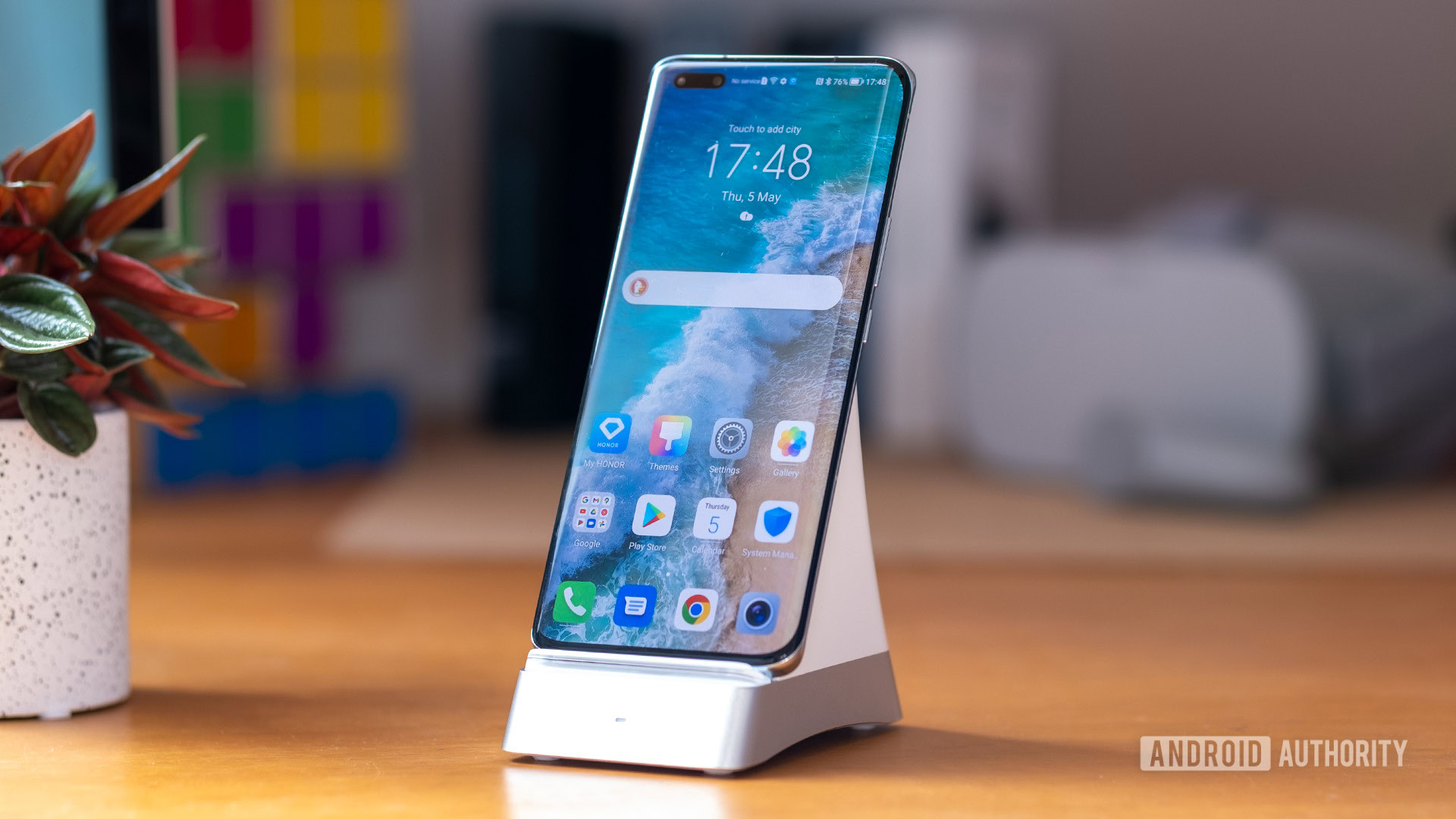
Beyond speed, the economic barrier to entry remains significant. While many flagship devices now integrate the necessary hardware for Qi charging, the accompanying infrastructure—the dedicated charging pads—is an additional, often substantial, investment. Furthermore, the industry’s fragmentation complicates this calculus. While the Qi standard offers broad compatibility, achieving peak performance often requires proprietary pads, such as those needed for faster speeds exceeding standard 15W tiers. This forces consumers into a difficult choice: invest in a costly proprietary dock that might become obsolete with their next device upgrade, or stick to ubiquitous USB-C cables. For many, the cost justification for a secondary charging methodology that is inherently slower simply failed to materialize. This reluctance is compounded by the fact that, unlike previous decades, premium manufacturers frequently exclude charging bricks from the retail box altogether, making the addition of a dedicated wireless dock feel like purchasing a second, less efficient charging setup.
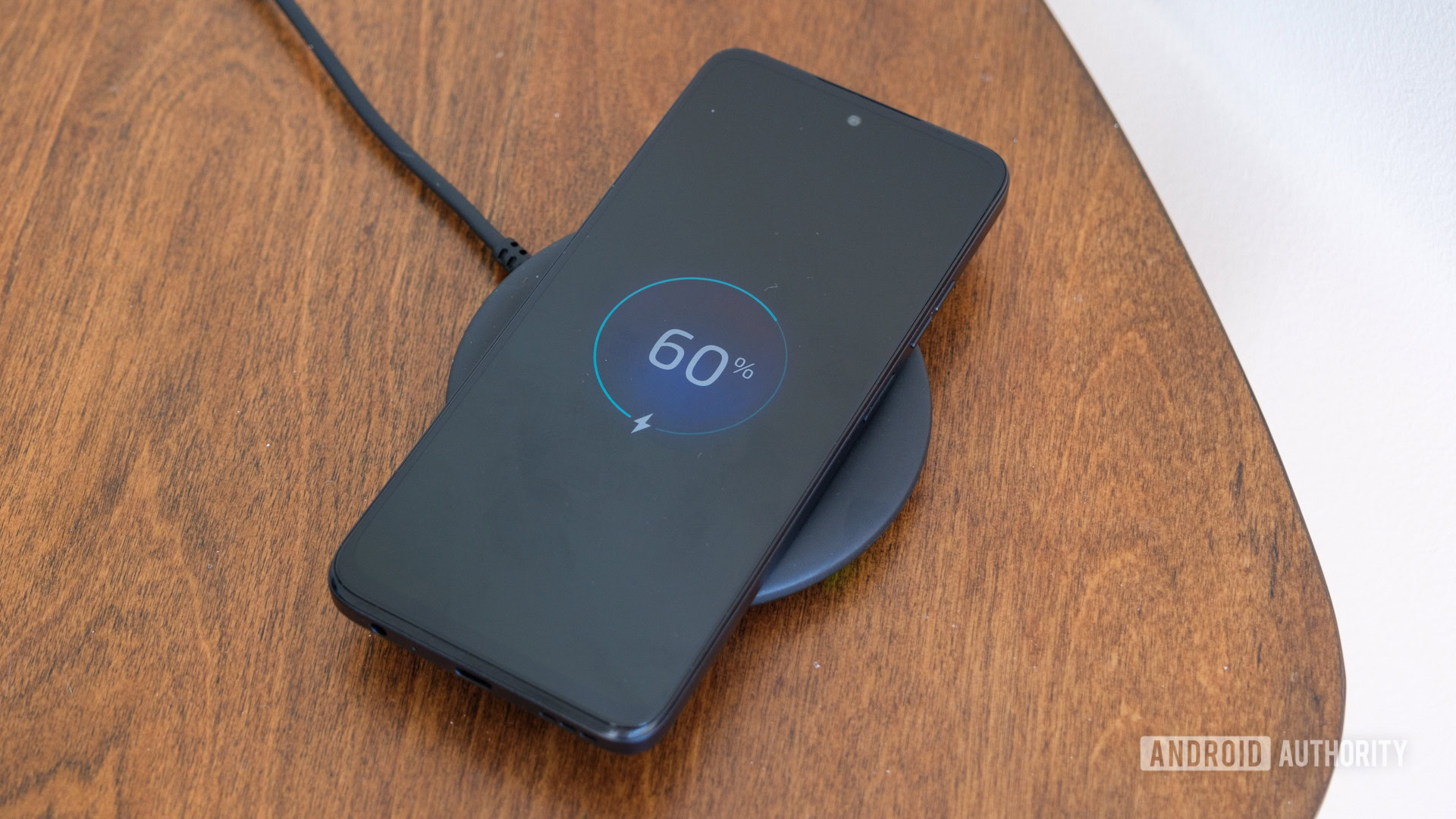
The inherent physics of inductive charging also introduces operational drawbacks. Energy transfer via magnetic resonance generates localized heat. Excessive or prolonged heat exposure is scientifically proven to accelerate lithium-ion battery degradation. While modern thermal management systems mitigate this risk, the reality remains that a device resting on a wireless charger typically operates at a higher ambient temperature than one connected via a direct wired link. For individuals hyper-focused on maximizing long-term battery health, wireless charging—especially when used as a daily primary method—is often actively avoided.
Industry Context: The Slow March Toward Standardization
The technological landscape surrounding wireless power is complex, driven by competing priorities between convenience and efficiency. The adoption of the Wireless Power Consortium’s (WPC) Qi standard has provided a necessary baseline for interoperability. However, the evolution toward higher speeds has been staggered. The introduction of Qi2, leveraging the magnetic alignment technology pioneered by Apple’s MagSafe system, represents a significant step forward. Qi2 promises 15W charging speeds with guaranteed magnetic alignment, theoretically solving the "sweet spot" alignment issue that plagues older, non-aligned pads, which often resulted in frustratingly slow or non-existent charging sessions.
From an industry standpoint, integrating wireless charging has become a marker of premium status. Flagship devices across Android and iOS platforms overwhelmingly support it, cementing its role as an expected feature in high-end hardware. However, this expectation rarely translates into daily reliance for the end-user, except in specific environments like vehicle integration or office desks where the convenience of simply setting the phone down outweighs the charging speed penalty. The industry continues to invest in research aimed at mitigating the efficiency losses inherent in wireless transfer, exploring higher frequency resonance and advanced coil designs, but the physical constraints of electromagnetic induction mean wired solutions will likely retain the speed crown for the foreseeable future.
The Unforeseen Crisis: A Moisture Warning That Changed Everything
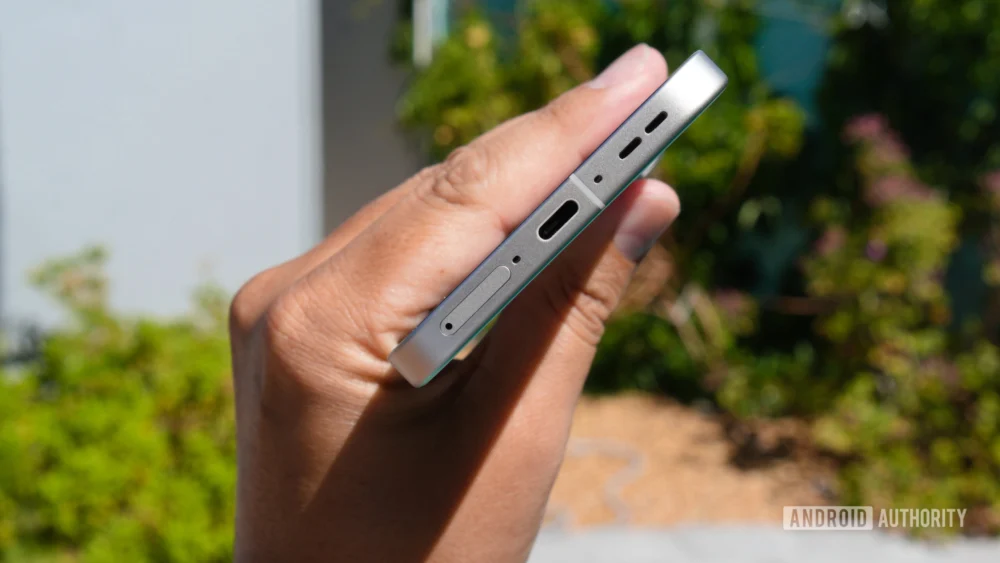
The theoretical arguments against wireless charging evaporated the moment the physical charging mechanism failed catastrophically. This author, much like many others, had grown complacent, viewing the feature as a potential novelty rather than a necessary lifeline. The incident involved a modern smartphone equipped with IP-rated water resistance, yet the protection proved insufficient against a specific, sustained environmental exposure—in this case, water ingress that triggered a persistent moisture detection warning in the USB-C port.

Initially, the warning was a minor inconvenience, easily dismissed with the expectation that a few hours of air drying would resolve the issue. However, the warning proved tenacious. Hours stretched into an afternoon, and the battery level dipped precariously low—below 30%—creating genuine anxiety. The operating system, sensing the critical state, explicitly flagged the wireless charging capability as the only viable alternative to complete power depletion. This recommendation forced a sudden reckoning: Where was the wireless charging accessory?
The irony was sharp. Numerous Qi pads had been acquired over the years—review units, promotional gifts—all of which had been systematically culled during routine desk cleanouts or designated for e-waste disposal, precisely because they were deemed slow and redundant compared to the rapid wired connection. In the midst of this power crisis, the realization dawned: the only remaining piece of wireless charging hardware was a dock that had been relegated to a box intended for recycling, saved only by the author’s procrastination in making the trip to the municipal recycling center.
This single, high-stress episode transformed wireless charging from a "nice-to-have" feature into a "must-have" contingency plan. The problem wasn’t that the wired charging was slow; the problem was that it was completely inaccessible. A device running on 25% battery with a locked charging port is, for all practical purposes, a brick until the port dries out, which can take many hours. A 15W wireless pad, while slow, would have maintained the device’s operational status, preventing potential data loss or critical communication failure during the forced downtime. The value proposition shifted entirely: wireless charging was no longer being evaluated on its speed relative to wired charging, but on its absolute availability when the primary method failed.
Analyzing the Failsafe Value
The value of wireless charging, as demonstrated by this experience, is fundamentally rooted in port redundancy. Physical ports are the most vulnerable points on any electronic device. They are susceptible to dust ingress, physical damage from ill-fitting cables, and, as this incident proved, fluid contamination. While IP ratings offer robust protection against splashes, sustained exposure or immersion can defeat these seals, particularly as seals age or wear.

From a systems engineering perspective, any critical component should ideally have a secondary, physically independent backup path. For power delivery, the wired connection relies on the physical integrity of the port. Wireless charging utilizes an entirely different energy transfer mechanism that bypasses the physical port entirely. This separation makes it an ideal contingency. In the context of high-end devices where repair costs for a damaged USB-C port can be substantial, having a non-physical charging method ensures the device remains usable while a repair is scheduled or budgeted for.
The experience also highlights the importance of maintaining a baseline level of wireless charging infrastructure. The author’s reliance on an item slated for recycling underscores a common behavior: users discard accessories for features they deem secondary. Future planning necessitates retaining at least one functional, basic Qi charger specifically for emergency use, divorced from daily charging routines.
Future Implications and Evolving User Calculus
This singular event serves as a microcosm for a broader shift in how users might assess mobile technology features. As devices become increasingly sealed—driven by dust and water resistance requirements—the potential for port failure, while lower, becomes more impactful when it does occur.
Looking ahead, the evolution of wireless charging standards will further blur the lines between primary and secondary charging methods. The widespread adoption of Qi2, which provides reliable 15W charging alignment, starts to erode the "slowness" argument, especially if manufacturers begin bundling cost-effective, compliant pads. If charging speeds approach 30W or 40W wirelessly while maintaining thermal efficiency improvements, the convenience factor may begin to outweigh the minor efficiency loss for many users, elevating wireless charging from a pure backup to a daily convenience feature.
Moreover, the concept of "ambient power" remains the holy grail. While current inductive charging requires precise contact, future developments in resonant or true far-field wireless power could render the concept of a charging pad obsolete, allowing devices to passively gain charge simply by being in a room equipped with transmitters. While this technology is still in nascent stages, its eventual realization would completely negate the primary arguments against wireless charging—namely, the requirement for dedicated accessories and precise placement.
For now, the immediate takeaway for discerning mobile users is a revised hierarchy of needs. While blazing-fast wired charging remains the default for speed, wireless charging must now be reclassified as an essential, low-priority insurance policy against physical hardware failure. It is the digital equivalent of keeping a spare tire, even if your primary commute rarely encounters a flat. The cost of preparedness—a single, inexpensive Qi pad—is negligible compared to the cost of being rendered powerless when the inevitable physical failure occurs. The annoyance associated with its slower speed is a small price to pay for guaranteed connectivity when the conventional path is blocked.
