

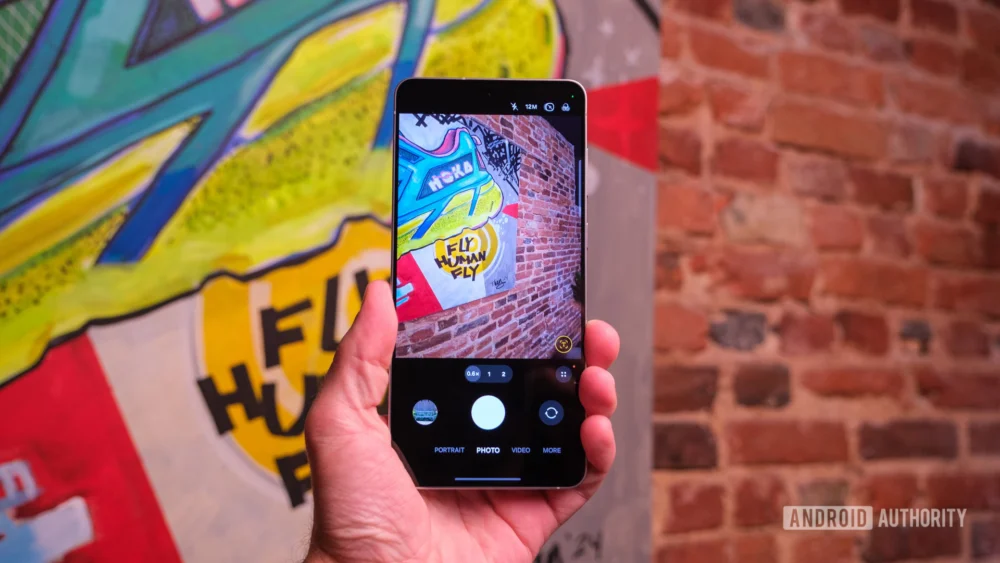
The current trajectory of smartphone camera development is increasingly characterized by a reliance on sophisticated Artificial Intelligence (AI) pipelines to compensate for physical limitations. While computational photography has undeniably democratized high-quality imaging, the relentless pursuit of "AI enhancement" is leading to a pervasive aesthetic homogenization and, in many cases, outright degradation of photographic authenticity. For the discerning consumer eyeing a flagship upgrade, the most valuable feature might ironically be the one that dials back the digital intervention, prioritizing genuine optical capture over synthetic augmentation.
This sentiment arises not from a Luddite rejection of technology, but from a growing frustration with the tangible side effects of aggressive, consumer-facing AI integration. Even users who rely on mirrorless systems, which inherently embrace post-processing flexibility, are noticing a distinct "digital fingerprint" on photos captured by top-tier mobile devices. This fingerprint manifests as unnaturally smooth skin textures, hyper-detailed but ultimately synthetic foliage, and High Dynamic Range (HDR) renderings that crush shadows into unnatural black voids or blow out highlights into featureless white planes. These artifacts, often pointed out in user forums and professional reviews alike, suggest that the underlying computational models are prioritizing maximal visual impact over accurate representation.
The Context of the Computational Arms Race
To understand this fixation, one must look back at the industry’s pivot point. For years, smartphone manufacturers—particularly those competing fiercely in the Android space—hit a wall regarding sensor size due to inherent chassis thickness constraints. While premium players like Samsung, Apple, and Google continued incremental sensor upgrades, the real leaps in perceived image quality came from software. This era birthed computational photography in its modern sense: techniques like multi-frame stacking for noise reduction, advanced demosaicing, and sophisticated HDR algorithms.
AI, or more accurately, machine learning (ML) models trained on massive datasets, became the next logical step. Instead of relying solely on fixed algorithms, manufacturers began implementing neural networks capable of scene recognition, object segmentation, and localized refinement. This allows a phone to identify a human face, apply a specific softening algorithm, recognize a sunset, and dramatically shift color temperature and contrast, all within milliseconds of the shutter press.
The initial results were transformative. Budget and mid-range devices suddenly produced images that, at a glance, rivaled older flagships. However, as the technology matured and competition intensified, the degree of intervention increased, often exceeding the point of refinement and entering the realm of digital alteration. Consider the current state of extreme digital zoom features, such as the 100x capabilities popularized by several major brands. While the marketing highlights the reach, expert analysis often reveals that anything beyond a modest optical equivalent is largely a sophisticated "hallucination"—the AI generating plausible detail where none existed in the raw light captured by the lens. This is an exercise in visual deception, not improved imaging.
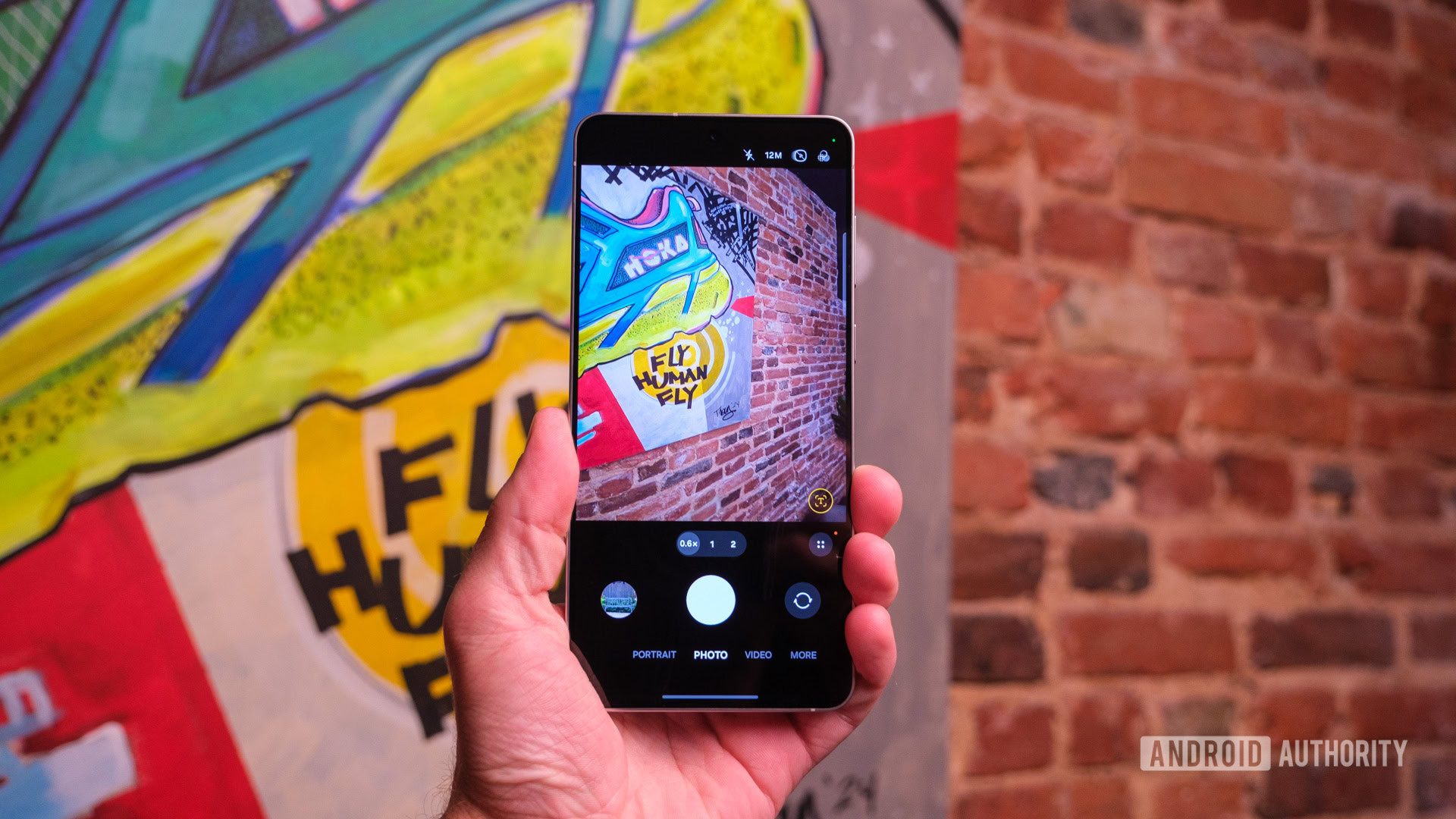
Industry Implications: Hardware Stagnation Versus Software Showmanship
The heavy emphasis on AI processing has significant, perhaps damaging, implications for hardware innovation within the mobile imaging sector. When a brand can achieve headline-grabbing improvements in low-light performance or zoom capability through a firmware update that tweaks the neural engine, the economic incentive to invest heavily in larger sensors, faster lenses, or more complex optical periscopes diminishes.
This is particularly visible when comparing the incremental year-over-year sensor specifications from leading US and Korean manufacturers against rivals based in China. Brands like Xiaomi and OPPO have, in recent cycles, demonstrated a willingness to deploy genuinely cutting-edge physical hardware—massive primary sensors, variable apertures, and advanced folded optics for telephoto lenses. These choices inherently capture more light and color fidelity before the data even reaches the Image Signal Processor (ISP).
When these hardware leaders integrate AI, it functions as an enhancement layer atop an already strong foundation. For example, a high-quality 200MP sensor with large photosites benefits from AI noise reduction because the initial data is rich. Conversely, when AI is tasked with salvaging a weak signal from a small sensor or a heavily cropped digital zoom, the process becomes less about enhancement and more about damage control, resulting in the telltale artifacts consumers are now recognizing. The industry risks creating a two-tiered system: those buying premium hardware that leverages AI subtly, and those relying on AI to perform complex, visible fixes for fundamentally compromised optical capture.
Expert Analysis: The Limits of "Painting Over Cracks"
From a technical standpoint, the core issue lies in the shift from statistical processing to generative processing within the camera pipeline. Traditional computational photography (like early HDR stacking) worked by combining multiple exposures based on known physics and statistics. Modern AI-driven features, particularly those involving content-aware editing, are fundamentally generative. They are predicting what should be there based on their training data, rather than accurately rendering what is there.
This predictive nature leads to significant divergence in color science. Different manufacturers train their models on proprietary datasets and apply specific stylistic preferences. This explains why images from one brand’s flagship might exhibit a warm, punchy look, while another’s leans towards cool, contrast-heavy documentation. While choice is good, the problem arises when these stylistic choices override basic color accuracy. Evidence suggests that highly processed images often show reduced color fidelity—a spectral narrowing that makes blues look more cyan or greens too saturated—because the AI prioritizes visually pleasing contrast over spectral truth.
Furthermore, the phenomenon of "algorithmic bias" becomes pronounced. If an AI model is trained primarily on perfectly lit studio portraits, its performance on complex, mixed-lighting street scenes or challenging backlit subjects degrades rapidly. This manifests as over-aggressive subject masking in portrait modes, where the background segmentation cuts into hair or clothing, or the erroneous smoothing of skin tones to the point where pores and subtle blemishes—the markers of organic texture—are entirely erased.
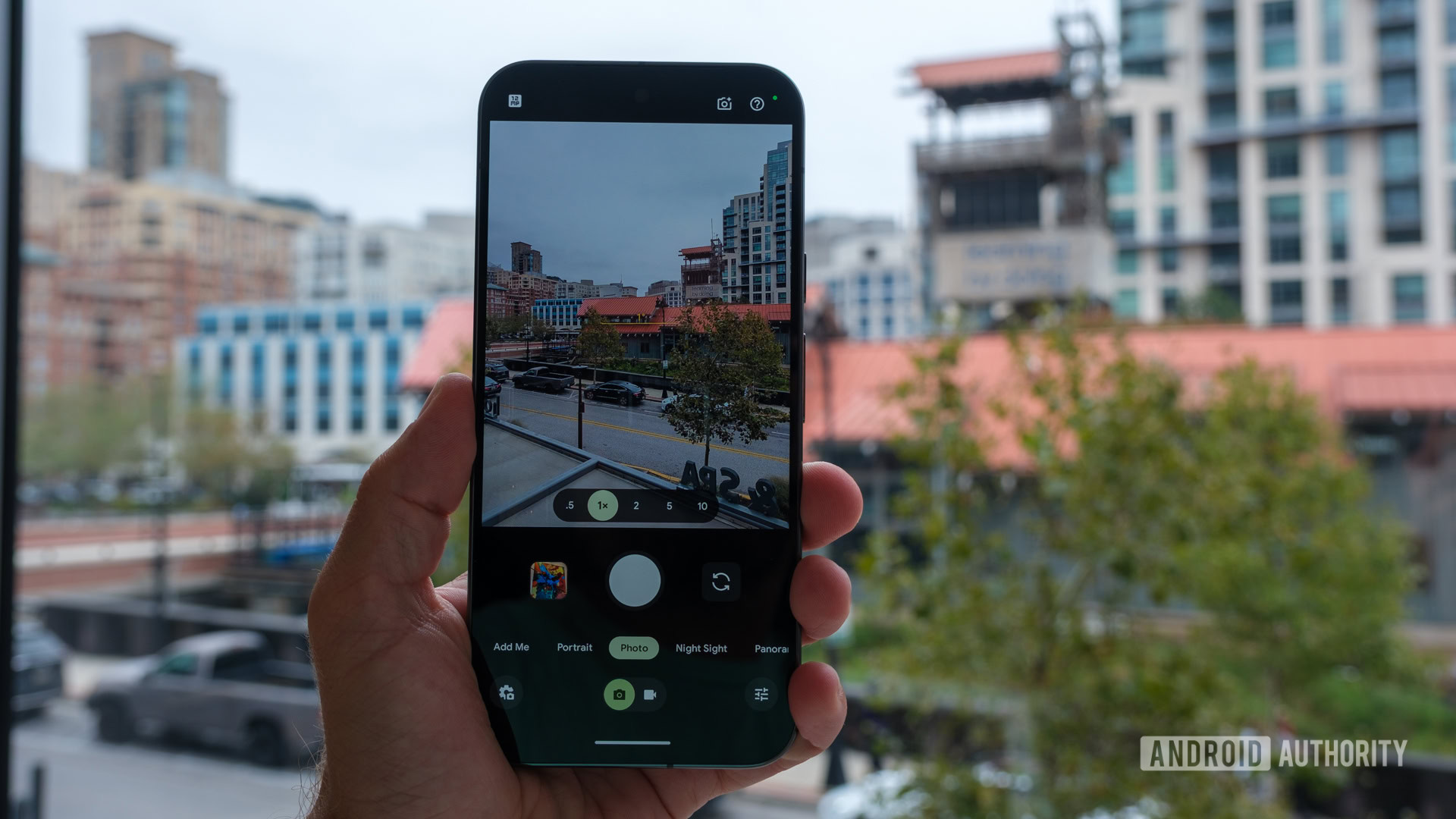
The fundamental principle of optics remains unassailable: physics dictates light capture. No amount of sophisticated software can generate the micro-details lost due to insufficient photon capture, poor lens quality, or shallow depth of field inherent to a tiny sensor package. Relying on AI to bridge this gap forces the software into an increasingly difficult, and ultimately visible, overwork cycle.
Future Impact and Trends: A Plea for Subtlety and RAW Domain Dominance
The hope for the next generation of mobile cameras must center on a strategic repositioning of AI: from a headline feature to a foundational utility. The most beneficial applications of machine learning in photography are often those that operate beneath the user interface’s surface, enhancing core performance without fundamentally rewriting the image.
1. Advanced Noise Modeling: The comparison between traditional noise reduction and modern AI denoisers clearly demonstrates the latter’s superiority in preserving genuine texture while eliminating spurious grain. Future flagships should focus heavily on training deep learning models specifically on their own sensor output to create highly accurate, sensor-specific noise profiles. This allows for cleaner low-light shots, particularly from smaller secondary lenses like the telephoto, without the smeary look that plagues current over-processed results.
2. Contextual Optimization, Not Generative Replacement: AI excels at classification. Utilizing ML for hyper-accurate scene detection—identifying humidity levels, lens flare conditions, or specific light sources—to dynamically adjust exposure bracketing, white balance presets, and sharpening masks before the merge is a superior application. This optimizes the raw data capture rather than repainting the final image.
3. RAW Domain Processing: The true frontier lies in moving more of the computational workload into the RAW domain. Allowing users to capture a multi-frame RAW file and then applying sophisticated, ML-enhanced noise reduction or dynamic range optimization on the device offers the best of both worlds. Users retain control over the final stylistic output (color grading, contrast), while benefiting from AI’s superior ability to manage noise and highlight/shadow recovery within the linear data structure. This shifts AI from being a compulsory final filter to an optional, powerful tool for purists and enthusiasts.
For manufacturers seeking consumer trust and long-term differentiation, the narrative needs to shift away from fantastical marketing terms like "AI Magic" and back toward tangible engineering achievements. Consumers are beginning to realize that a device boasting 100x zoom is less valuable than one that consistently produces a sharp, naturally rendered 5x optical zoom. If OEMs continue to prioritize software showmanship over optical substance—if they keep treating AI as a cheap veneer to mask incremental hardware stagnation—they risk alienating the segment of the market that values authentic photographic output. The next great smartphone camera will not be the one that generates the most realistic fake detail, but the one that captures the real world with the most fidelity, using AI only to polish the edges of an already exceptional capture.
