

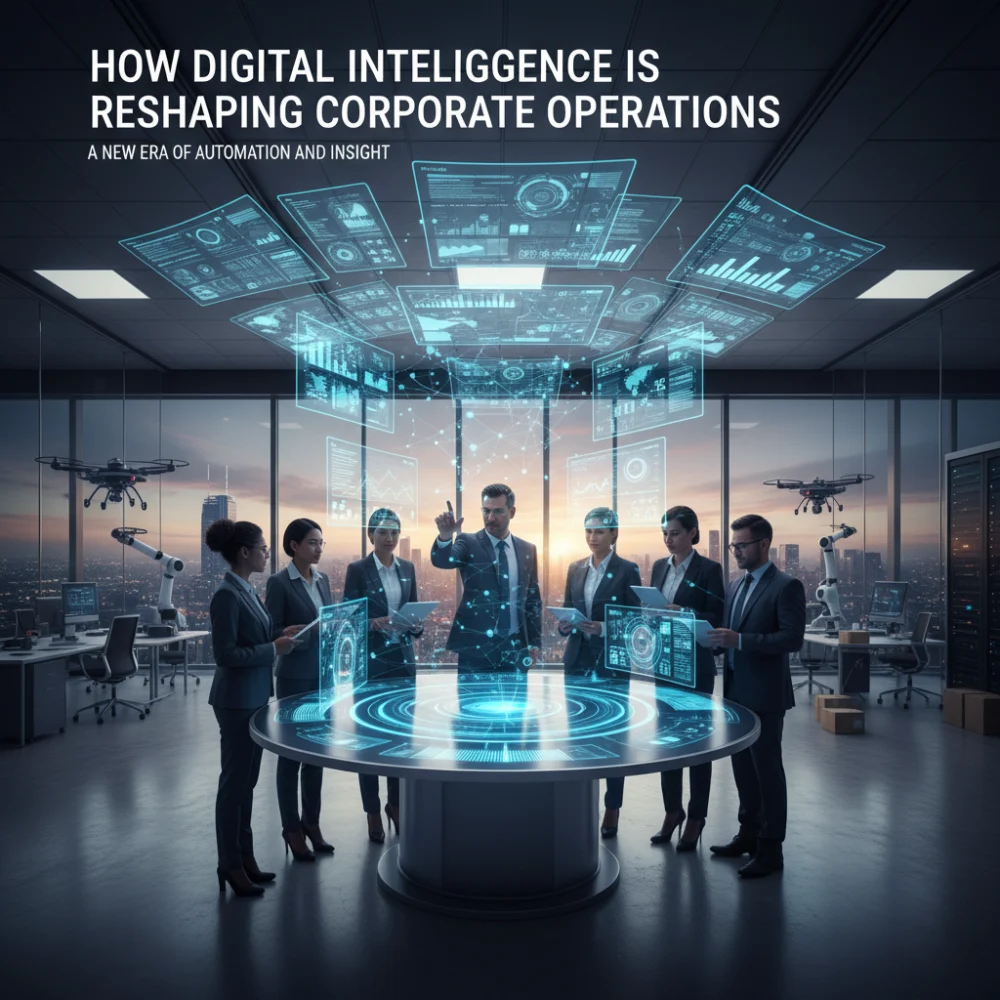
The modern business landscape is defined by data velocity and volume. In response, organizations are transitioning from basic data processing to embracing Digital Intelligence (DI). DI encompasses a sophisticated blend of artificial intelligence, machine learning, big data infrastructure, and predictive modeling, creating a feedback loop that constantly informs and refines operational decisions.
DI is not merely a set of tools; it represents a cultural shift toward data-centricity. Where traditional Business Intelligence (BI) focused on reporting what happened historically, DI strives to predict what will happen next and prescribe the optimal course of action. This predictive capability is the cornerstone of its transformative power in corporate operations.
Operational Efficiency Through Predictive Maintenance
One of the most immediate impacts of DI is visible in asset management. Predictive maintenance, powered by IoT sensors feeding real-time data into DI algorithms, has dramatically reduced unplanned downtime. Instead of relying on scheduled maintenance, which can be wasteful, or reactive repairs, companies can now anticipate equipment failure with high accuracy.
This shift translates directly to the bottom line. Consider manufacturing floors or logistics fleets: maximizing uptime directly correlates with increased throughput and reduced capital expenditure on emergency repairs. The intelligence derived from analyzing vibration patterns, temperature fluctuations, and operational strain becomes an active agent in maintaining business continuity.
Transforming the Supply Chain Backbone
Supply chain volatility has always been a major operational hurdle. Digital Intelligence offers unprecedented visibility and agility. DI systems can ingest data from global weather patterns, geopolitical events, supplier performance metrics, and consumer demand forecasts simultaneously.
The outcome is a highly adaptive supply chain capable of dynamic rerouting, automated inventory adjustments, and proactive mitigation of bottlenecks. For example, if a key shipping lane faces disruption, the DI platform can instantly model alternative sourcing or logistics paths, presenting executives with the most cost-effective and timely solution.
- Demand Forecasting Accuracy: Moving from statistical averages to nuanced, AI-driven predictions.
- Inventory Optimization: Minimizing carrying costs while preventing stockouts across complex distribution networks.
- Logistics Pathfinding: Real-time adjustment based on traffic, capacity, and cost variables.
Hyper-Personalization in Customer Experience (CX)
Customer-facing operations are being radically reshaped. Digital Intelligence allows companies to build digital twins of their customer base, understanding individual preferences, journey friction points, and next-best actions in milliseconds. This goes far beyond simple segmentation.
In sales and marketing, DI drives true one-to-one engagement. It dictates the precise moment, channel, and message required to convert a lead or retain an existing customer. This level of personalization fosters deeper loyalty and significantly boosts customer lifetime value (CLV).
Enhancing Human Capital Management
The impact of DI extends internally to Human Resources and talent management. Advanced analytics can identify high-potential employees, predict flight risks before they materialize, and optimize team composition for specific projects based on skill mapping and historical performance data.
Furthermore, DI assists in training and development by pinpointing precise skill gaps within the workforce that need immediate attention, ensuring that training budgets are allocated for maximum organizational impact. This moves HR from an administrative function to a strategic, predictive partner.
