

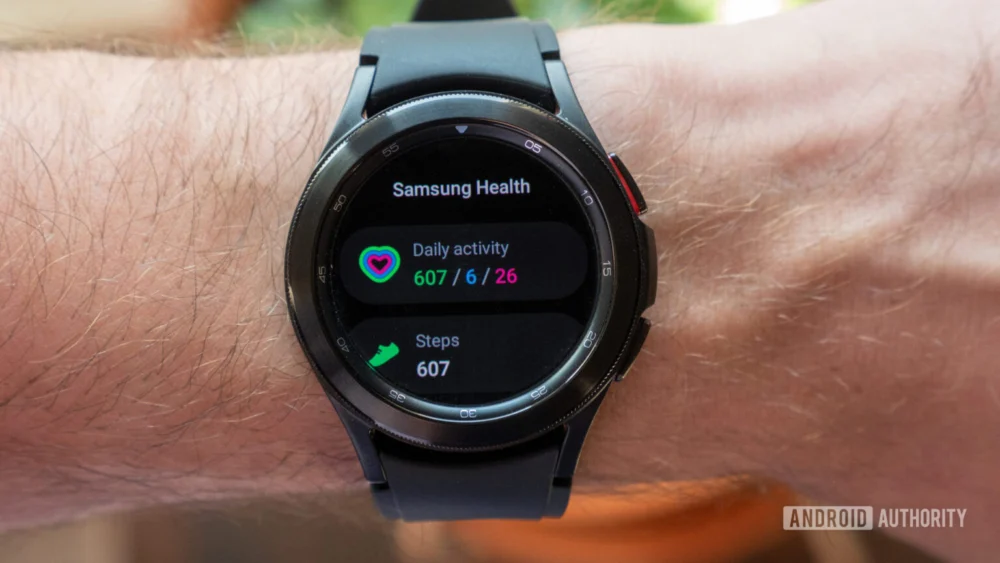
The rollout of Samsung’s One UI 8 Watch update, intended to revitalize the aging but highly regarded Galaxy Watch 4 Classic, has instead triggered a cascade of critical failures, transforming a legacy favorite into a source of significant user frustration. Reports emerging from community forums and social media platforms paint a grim picture where essential hardware capabilities have been rendered inert by the new firmware. This situation immediately raises serious questions regarding Samsung’s quality assurance protocols, particularly concerning long-term software support for hardware iterations that retain substantial market relevance due to unique physical attributes.
The Context: A Legacy Device Meets Modern Expectations
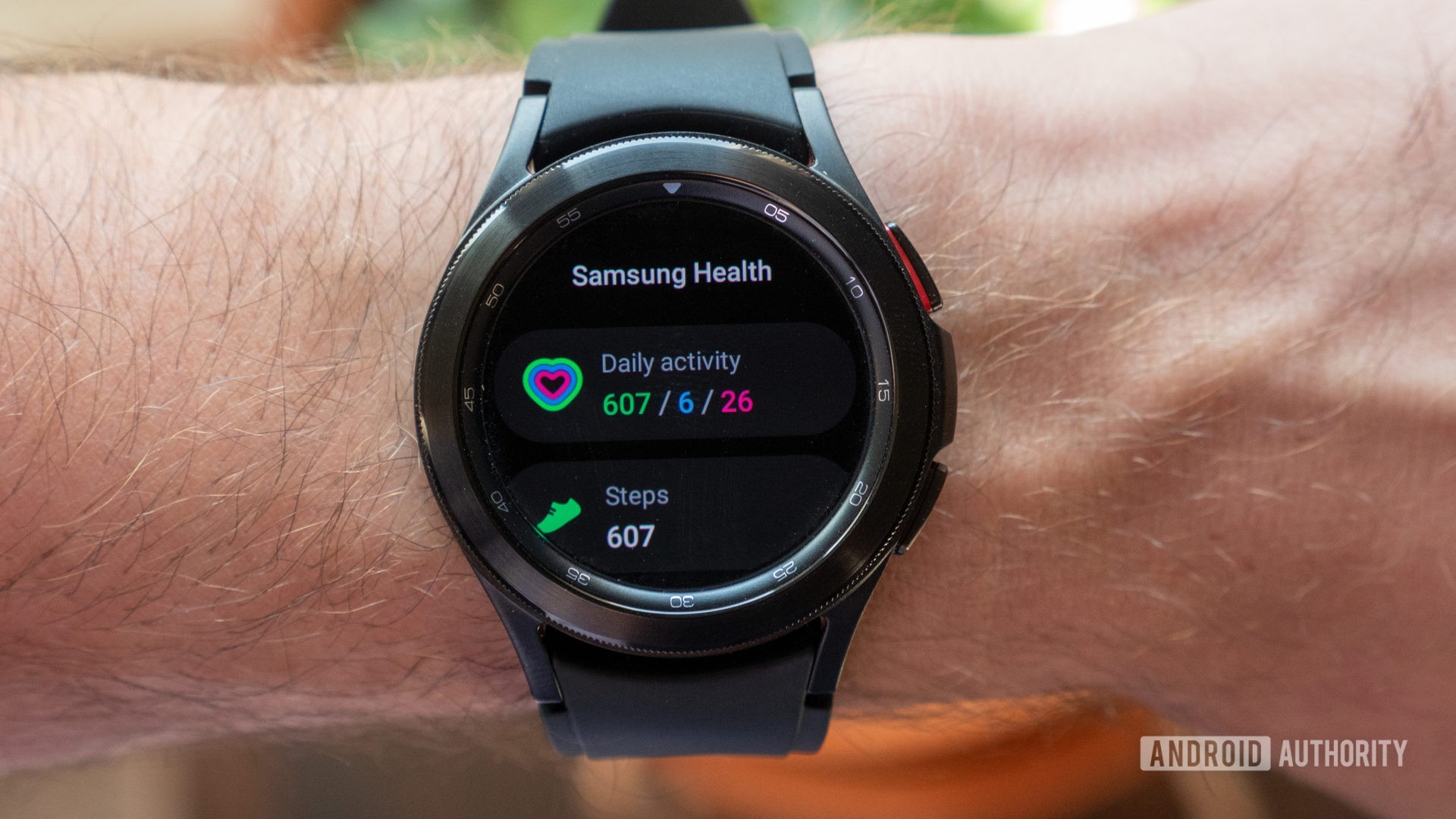
The Samsung Galaxy Watch 4 Classic, originally launched in 2021, holds a unique position in the wearable technology ecosystem. It marked a pivotal shift for Samsung, transitioning away from its proprietary Tizen OS to Google’s Wear OS, co-developed with Samsung. Crucially, it was the last mainstream Samsung smartwatch to feature the highly praised physical rotating bezel—a tactile interface element that many power users still consider superior to the purely digital navigation offered on subsequent models. This enduring appeal means a significant user base remains active on the Watch 4 Classic, eagerly anticipating software updates that promise feature parity and security enhancements.
The One UI 8 Watch update, built upon the foundation of the latest Wear OS iteration, was positioned as the final major functional refresh for this generation. Such updates are vital for extending the usable lifespan of premium electronics. However, instead of delivering new features or stability improvements, this specific deployment appears to have introduced a systemic regression affecting core biometric hardware integration.
The Core Malfunction: The Wrist Detection Paradox
The most disruptive issue reported by affected users centers on the failure of the optical sensor array responsible for wrist detection. This is not merely a cosmetic glitch; wrist detection is the fundamental gatekeeper for nearly all advanced health monitoring features on modern smartwatches. When the device erroneously believes it has been removed from the user’s arm, it immediately disables security protocols and sensitive health measurements as a safeguard against unauthorized access or inaccurate readings.
Specifically, users are reporting that post-update, the Watch 4 Classic fails to maintain continuous skin contact verification. This results in the immediate cessation of crucial functions such as:
- Electrocardiogram (ECG): A key diagnostic tool integrated into the device.
- Bioelectrical Impedance Analysis (BIA): Samsung’s proprietary method for estimating body composition, which requires precise sensor contact.
- Continuous Heart Rate Monitoring and Blood Oxygen (SpO2) Tracking: While basic HR might sometimes function intermittently, reliable continuous background monitoring is compromised.
The security implications are equally severe. For users employing a mandatory PIN or pattern lock for device security—a standard practice to protect sensitive personal health data—the constant false alarms trigger repeated lockouts. The watch, thinking it has been removed, locks down, forcing the user to manually re-authenticate frequently, thereby undermining the convenience that wearables are supposed to provide.
Curiously, anecdotal evidence suggests a bizarre workaround: physically inverting the watch so the case back (where the sensors reside) rests against the palm side of the wrist sometimes momentarily re-engages the sensors. This workaround strongly suggests a software interpretation error rather than a complete hardware failure. The updated firmware likely relies on a different calibration or sensitivity threshold for the optical sensors, which the older generation hardware, specifically calibrated for the original OS build, cannot meet under normal wearing conditions. Standard troubleshooting steps, such as clearing application caches or forcing reboots, have proven ineffective, pointing toward a deep-seated firmware conflict.
Beyond Biometrics: Secondary Systemic Failures
The disruption extends beyond the health suite. Reports gathered from various online communities detail secondary, yet significant, operational degradations:
- Battery Life Catastrophic Drain: Several users have noted an accelerated rate of battery depletion following the update. This suggests that either the sensor error loop is consuming excessive background processing power, or new, poorly optimized processes introduced in One UI 8 Watch are inefficiently managing system resources.
- Display Inconsistencies: Reports indicate that the highly valued Always On Display (AOD) functionality has ceased working for some users. The AOD is a key feature for quick time-telling and glanceable information, and its failure further degrades the core utility of the smartwatch.
- Watch Face Rendering Issues: Some native Samsung watch faces are reportedly failing to load correctly, displaying blank screens or corrupted graphics. This points to potential incompatibility with the updated graphics rendering libraries within the new operating system layer.
Industry Implications: The Perils of Legacy Support
This incident serves as a potent case study in the inherent risks associated with long-term software support for connected hardware, especially in the rapidly evolving wearable space.
The E-Waste Dilemma and Consumer Trust: Consumers invest in premium devices like the Galaxy Watch 4 Classic with the expectation of several years of functionality, often underpinned by promised software updates. When an update designed to extend utility instead renders core features unusable, it damages consumer trust significantly. Furthermore, forcing users to choose between having functional health monitoring and accessing the latest security patches creates a difficult dilemma that pushes users toward premature device replacement, contradicting sustainability goals aimed at reducing electronic waste.
Software Architecture Complexity: The Watch 4 Classic utilizes an Exynos W920 chipset, a mature platform. Migrating major OS versions, especially those tied closely to Google’s evolving Wear OS framework, requires meticulous tuning for legacy components. The fact that wrist detection—a function reliant on drivers that should remain relatively static—is failing suggests a potential oversight in how the new One UI layer interacts with the hardware abstraction layer (HAL) specific to the Watch 4 series sensors. It is plausible that the software stack was primarily tested against newer hardware (like the Watch 6 or upcoming models) where sensor calibration or communication protocols have subtly shifted over the intervening years.
Samsung’s Update Strategy Scrutiny: Samsung has historically offered competitive software support lifecycles for its wearables compared to many Android counterparts. This incident places that commitment under severe scrutiny. While the Watch 4 series is nearing the end of its expected major update window, this kind of catastrophic failure so soon after deployment suggests a rushed deployment or a failure in beta testing protocols that should have identified such a fundamental breakdown in core functionality. The swift halting of the rollout in certain territories validates the severity of the community reports.
Expert Analysis: Deconstructing the Sensor Failure
From a technical standpoint, the skin contact failure points toward issues within the firmware responsible for interpreting data from the PPG (photoplethysmography) and BIA sensors. These systems rely on emitting light (PPG) or low-level electrical currents (BIA) and measuring the reflection or impedance change through the skin.
- Threshold Adjustment: The One UI 8 Watch update may have increased the required signal-to-noise ratio (SNR) threshold for accepting a measurement as valid. If the sensor hardware on the Watch 4 Classic produces slightly noisier readings compared to newer models, the new, stricter software threshold would reject virtually all inputs, leading to the "no skin contact" error.
- Driver Incompatibility: The kernel drivers or specific HAL components responsible for communicating sensor status to the Wear OS framework might be incompatible with the updated security context or power management settings in One UI 8. A miscommunication here could result in the system receiving a corrupted or null value, which the OS interprets as physical removal.
- Power Management Conflict: The bizarre success when wearing the watch on the palm side could be related to localized temperature or slight differences in contact pressure that momentarily allow the sensor to exceed the required minimum operational threshold, possibly bypassing an aggressive, newly implemented power-saving routine that incorrectly throttles the sensors during normal wear.
Future Impact and Path Forward
The immediate impact is clear: Galaxy Watch 4 Classic owners are advised to exercise extreme caution and defer the update until an official hotfix is released. The fact that Samsung has reportedly paused the rollout in some regions underscores the seriousness of the bug.
The long-term implications hinge on Samsung’s response time. A rapid deployment of a "One UI 8.0.1 Watch" or similar patch addressing the sensor stack is crucial to restoring faith in the platform. If the issue requires a deep re-engineering of the sensor drivers, it could signal the effective end of meaningful software support for the Watch 4 line, forcing a migration path for users who value the rotating bezel.
This event highlights a recurring tension in the technology sector: the push for continuous software innovation versus the stability required for mature hardware. For Samsung, balancing the integration of new software features—which often come with platform-wide dependencies—with the unique hardware quirks of devices four years into their lifecycle will remain a significant engineering challenge. As the wearable market matures, user tolerance for functionality-breaking updates on expensive, otherwise functional hardware will decrease. Future software releases for legacy devices must prioritize flawless integration over feature density to avoid alienating a loyal user base that keeps these older models relevant. The current situation serves as a stark warning that for any hardware ecosystem to thrive long-term, the foundational elements must remain inviolable during any software transition. The fate of the Galaxy Watch 4 Classic’s reputation now rests entirely on Samsung’s ability to swiftly revert this damaging update experience.
