

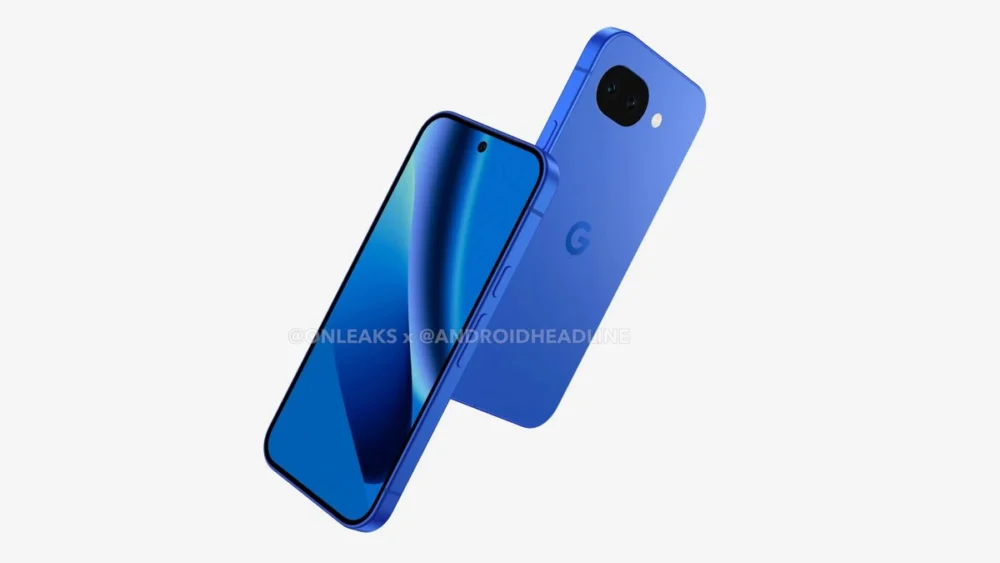
The perennial pre-launch information cascade surrounding Google’s Pixel line has once again intensified, this time focusing squarely on the forthcoming Pixel 10a. While the broader specifications of this mid-range contender have circulated across the tech sphere for some time, recent intelligence offers a much-needed degree of clarity regarding its commercial rollout and, perhaps most critically for budget-conscious consumers, its potential cost structure. The tradition of early disclosure, often viewed as both a marketing challenge and an accepted reality for the Android ecosystem, now points toward a specific unveiling window and a reassuring stance on pricing, at least in certain key markets.
This latest batch of detail emerges from the well-regarded analyst "billbil-kun," whose projections, disseminated through Dealabs Magazine, aim to solidify the amorphous rumors that have characterized the Pixel 10a’s journey to market. The core of this new information addresses configuration options and the expected pricing architecture in the European theatre, suggesting a strategic decision by Google to maintain price parity with its predecessor, the Pixel 9a.
Specifically, the intelligence suggests the Pixel 10a will standardize on 8GB of Random Access Memory (RAM), a crucial element for modern Android fluidity, especially when handling Google’s sophisticated software stack and machine learning routines. Storage stratification appears set to offer two tiers: a base 128GB configuration and an upgraded 256GB option. Colorways, always an important aesthetic differentiator, are slated to encompass four distinct finishes: the deep, classic Obsidian; the muted, sophisticated Fog; the vibrant, emerging Lavender; and the rich, warm Berry.
The most compelling piece of news centers on the pricing strategy. According to the source, Google is intending to hold the line against inflationary pressures by aligning the Pixel 10a’s entry price in the Eurozone with that of the Pixel 9a at launch. For the European consumer base, this translates to a potentially strong value proposition, resisting the creeping price inflation that has affected many segments of the mobile device market.
If these projections hold true, the expected European pricing structure would be:
- 128GB Model: €429
- 256GB Model: €479
This projected pricing is significant, particularly when contextualized against the current macroeconomic climate. Maintaining a sub-€450 entry point for a device equipped with the latest Tensor G4 (or similar mid-range Google silicon) and promising the signature Pixel camera experience represents a deliberate tactical move by Google to solidify its position in the highly contested mid-range segment against formidable competition from established Chinese manufacturers.
Beyond the financial specifics, the leak provides a firm timeline for the device’s introduction. The proposed launch and initial preorder window is slated for February 18, 2026, precisely at 12:00 PM Eastern Time (ET). This date marks the formal unveiling event. Following this announcement, consumers will have a brief window to secure the device via preorders before general retail availability commences on March 5, 2026.
Contextualizing the Pixel ‘A’ Series Strategy
To fully appreciate the weight of this leaked information, one must understand the historical significance of the Pixel ‘a’ series. Since the introduction of the original Pixel ‘a’ device, this line has served as Google’s primary vehicle for democratizing the core Pixel experience. It is designed to offer the essential, AI-driven software advantages—superior computational photography, enhanced security via the Titan M chip, and immediate access to Android feature drops—at a price point accessible to a much broader global audience than the flagship series.
The ‘a’ series often acts as a proving ground for optimized mid-range Tensor chipsets, balancing performance requirements against thermal and power efficiency constraints inherent in a more aggressively priced chassis. Success in this segment is not just about revenue volume; it is crucial for expanding the active user base that feeds Google’s ecosystem services and, critically, gathering the necessary real-world data to refine its machine learning models—the very bedrock of the Pixel brand identity.
Industry Implications of Price Stagnation
The alleged decision to maintain the Pixel 9a’s launch pricing in Europe carries notable implications for the broader smartphone market. In recent years, component costs, supply chain volatility, and global inflation have forced nearly every major Original Equipment Manufacturer (OEM) to incrementally increase the MSRP of their mid-range offerings. A commitment from Google to absorb these potential cost increases—or to find efficiencies elsewhere in the bill of materials—sends a clear signal to competitors.
If the Pixel 10a launches at €429 without compromising core features (such as camera hardware or promised software support longevity), it places intense downward pricing pressure on competitors operating in the €400 to €500 bracket. This segment is fiercely competitive, populated by Samsung’s Galaxy A-series and various offerings from Xiaomi and its sub-brands. Stagnant pricing suggests Google is prioritizing market share expansion and ecosystem penetration over maximizing margin on this specific SKU.
This move aligns with Google’s overarching strategy: to utilize hardware not merely as a profit center but as a delivery mechanism for its software ecosystem and AI services. A lower barrier to entry means more devices running the latest, optimized version of Android, enhancing Google’s overall data advantage.
Analysis of Configuration Choices: 8GB RAM Standardized
The confirmed 8GB RAM standard is an expert-level indicator of Google’s confidence in the efficiency of the Tensor chip supporting the 10a. While flagship phones are rapidly adopting 12GB or even 16GB configurations, 8GB remains the functional sweet spot for most mainstream users. For Google, which heavily relies on on-device processing for features like Live Translate and Magic Eraser, this memory capacity ensures smooth multitasking and swift execution of these computational tasks without requiring constant cloud reliance, which is critical for a device positioned as a value leader.
The 128GB/256GB storage split is also standardizing. With cloud storage becoming ubiquitous, 128GB is sufficient for many, but the inclusion of a 256GB option acknowledges the increasing size of mobile games, high-resolution photography (especially in raw formats that advanced users might pursue), and the preference for local media storage in regions with unreliable connectivity. The four color options further suggest an attempt to inject more personality and appeal to a younger demographic that views their device as a fashion accessory, moving beyond the safe black and white staples.
The Significance of the March Launch Window
The projected launch date in early March 2026 is also strategically noteworthy. Historically, the first quarter of the year is dominated by announcements from major players at events like Mobile World Congress (MWC) in late February or early March. By scheduling the Pixel 10a announcement for mid-February, Google positions its mid-range device to capture attention immediately following the initial flurry of global flagship announcements, often before those competitors have fully saturated the market with their own mid-tier variants.
Furthermore, a March availability date means the device hits the market approximately six months after the flagship Pixel 10 series would have launched (typically in October). This timing allows the 10a to inherit the mature software optimizations and carrier deals secured by the flagship line, providing a stable and well-supported platform right out of the gate.
It is crucial to note the geographical caveat mentioned in the leaked information: EU pricing does not automatically dictate US pricing. Historically, US pricing for Pixel devices, often bundled with carrier subsidies or specific promotional structures, can differ due to taxation, market competition dynamics, and different carrier subsidy models. While Google will likely aim for a similar dollar value conversion relative to the Euro price, unexpected fluctuations in the US market—especially concerning carrier negotiations—could still result in a slight price adjustment upward compared to the Pixel 9a’s initial US MSRP. Analysts should monitor US carrier pre-order announcements closely following the February 18th reveal.
Future Impact and Trend Analysis
The sustained focus on the mid-range Pixel ‘a’ series underscores a key trend in the contemporary smartphone industry: the center of gravity is shifting away from ultra-premium devices toward feature-rich mid-rangers. Consumers are increasingly demanding flagship-level experiences—especially camera performance and software longevity—without paying the premium associated with the latest bleeding-edge chipsets or exotic materials.
For Google, the Pixel 10a is more than just a phone; it is the cornerstone of its volume strategy. If this device successfully replicates the balance of performance, camera prowess, and value achieved by its predecessors, it solidifies Google’s role as a major volume player, moving beyond its niche as purely a software innovator.
Looking ahead, the success of the Pixel 10a will inform Google’s investment decisions regarding future Tensor chip development. If the mid-range silicon can handle the increasing complexity of Google’s on-device AI (e.g., advanced generative AI features migrating from the flagship models), it suggests Google can afford to dedicate more R&D resources to further differentiating its core software experience rather than being forced into an annual chipset arms race focused solely on peak benchmark scores. The commitment to pricing stability, if maintained across regions, will be the ultimate metric of its success in winning the hearts and wallets of the mass market. The coming weeks, leading up to the February 18th reveal, will be a period of intense scrutiny as industry watchers attempt to corroborate these promising details.
