

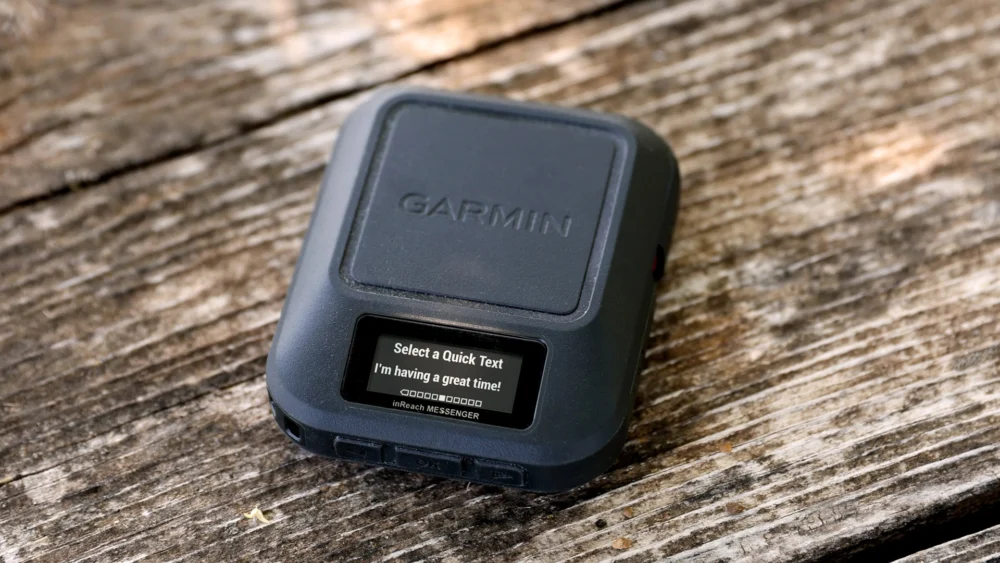
The consumer electronics market is currently witnessing a significant inflection point regarding personal safety and off-grid connectivity, underscored by a recent, historically low promotional event for the Garmin inReach Messenger Handheld Satellite Communicator. This limited-time offer, available through major e-commerce platforms such as Amazon, represents a record valuation low for the device, suggesting a deliberate strategy by Garmin to broaden the adoption of essential satellite communication technology. Initial reports indicate rapid depletion of the allocated inventory, with a substantial percentage claimed shortly after the promotion commenced, highlighting a latent consumer demand for reliable backup communication solutions beyond the reach of traditional cellular infrastructure.
To fully appreciate the implications of this aggressive pricing, one must first understand the critical role the inReach Messenger fills within the broader landscape of personal technology and outdoor preparedness. For decades, venturing into remote territories—whether for mountaineering, deep-sea fishing, long-haul trucking, or simply exploring national parks far from established cell towers—meant accepting a fundamental break in connectivity. This void has historically been filled by specialized, often prohibitively expensive, satellite phones or earlier generations of less integrated satellite messengers. The inReach Messenger, however, is engineered to bridge the gap between smartphone convenience and life-saving satellite capability.
The Evolution of Off-Grid Communication
The background context for this device’s appeal lies in the maturing satellite communication industry. The proliferation of consumer-grade satellite services, primarily utilizing low-Earth orbit (LEO) constellations like the Iridium network that Garmin leverages, has made global coverage more feasible than ever before. Early satellite communicators were often bulky, complex to operate, and primarily focused on emergency beacons. Garmin’s evolution, particularly with the inReach line, has centered on integration and user experience.
The inReach Messenger’s core innovation is its seamless hybridization. It functions as a sophisticated Bluetooth companion to a user’s existing smartphone. Through the dedicated Garmin Messenger application, users can engage in two-way, text-based communication, effectively turning their phone into a satellite terminal when cellular service inevitably drops out. Crucially, the device is designed with a smart network switching capability. It defaults to established cellular networks where available, optimizing for speed and cost, but instantly pivots to the satellite network when terrestrial coverage is absent. This dual-mode operation is vital for modern users who demand continuous, albeit context-aware, connectivity.
The messaging functionality extends beyond simple "I’m okay" check-ins. Users can send and receive custom text messages, allowing for nuanced communication regarding route changes, supply needs, or non-emergency updates with contacts back home. This contrasts sharply with older SOS-only devices, providing a layer of proactive reassurance that significantly lowers the psychological barrier to entry for recreational users.
Expert Analysis: Security, Integration, and the SOS Imperative
From a technological standpoint, the inReach Messenger excels in its core safety features. The SOS function remains the device’s ultimate lifeline. When activated, it immediately alerts the Garmin International Emergency Response Coordination Center (IERCC). This is not merely an automated signal; it initiates direct communication with trained professionals who can assess the nature of the emergency, coordinate the appropriate rescue services, and relay critical information to the subject until help arrives. The efficacy of this two-way emergency dialogue, facilitated by the device’s robust satellite link, is a key differentiator in the competitive safety hardware space.
Furthermore, the inclusion of advanced navigational aids, such as TrackBack routing, speaks to Garmin’s pedigree in GPS technology. If a user becomes disoriented, the device can retrace their route—a vital feature when visibility is poor or familiar landmarks are obscured. This embedded resilience, combined with its physical durability—evidenced by an IPX7 water ingress protection rating—positions it as a tool designed to withstand rigorous outdoor environments.
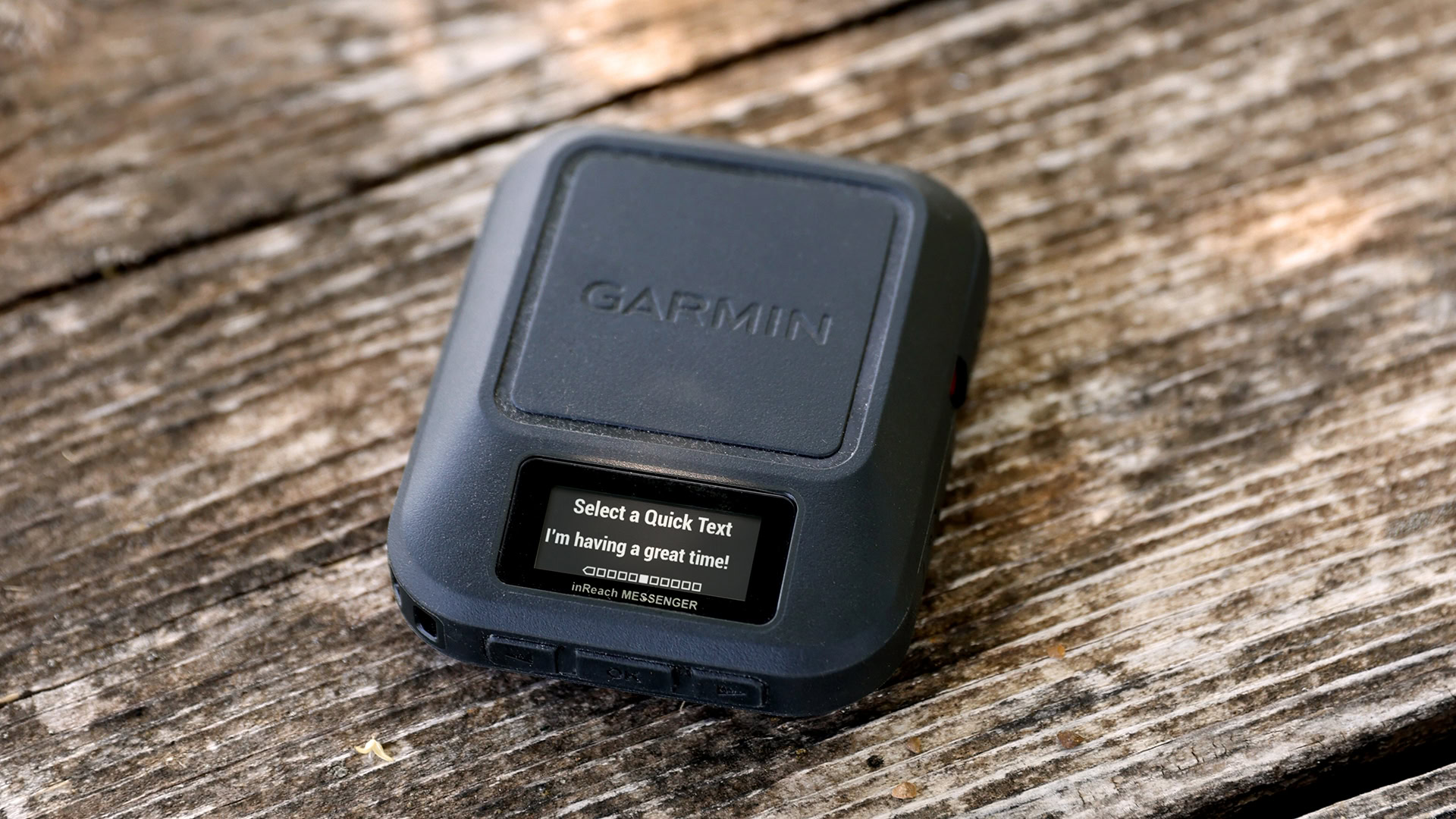
The impressive battery life, frequently cited around 28 days under typical use cycles (though heavy satellite messaging will reduce this), is a triumph of power management, essential for multi-week expeditions where recharging opportunities are scarce. This longevity is a significant engineering achievement when considering the power demands of maintaining a satellite uplink.
Industry Implications: Democratizing Satellite Access
The aggressive pricing strategy observed in this promotion has substantial implications for the wider tech and outdoor industries. By pushing the hardware cost to a new low, Garmin is effectively democratizing access to reliable, two-way global communication. Historically, the barrier to entry for this level of redundancy was steep, limiting adoption primarily to professional adventurers, industrial field workers, and search-and-rescue organizations.
This market expansion has several ripple effects:
- Increased User Base and Network Load: A larger user base naturally increases the overall traffic on the underlying satellite infrastructure (Iridium). While LEO networks are designed for scalability, sustained high traffic volumes could eventually influence messaging latency, placing pressure on satellite operators to accelerate planned capacity upgrades.
- Competitive Pressure: Competitors in the satellite communication space, including newer entrants leveraging LEO constellations for direct-to-device messaging, will be forced to re-evaluate their own pricing structures and feature parity. This promotion sets a new benchmark for what consumers expect in terms of value proposition for portable satellite communication hardware.
- Insurance and Liability: For organizations managing outdoor activities, the widespread adoption of devices like the inReach Messenger could alter risk assessment models. Employers or tour operators can now mandate this level of communication redundancy more easily, potentially reducing liability associated with lost or injured parties in remote locations.
The Subscription Model Reality Check
It is crucial to analyze the hardware discount within the context of the mandatory subscription service. Satellite communication, unlike cellular service which benefits from massive global infrastructure built by carriers, relies on leasing bandwidth from satellite operators and maintaining dedicated ground control centers (like the IERCC). Therefore, the recurring operational cost must be covered by the user.
Garmin’s subscription tiers, starting at accessible entry points (e.g., $7.99 monthly plans mentioned), are designed to cater to varying levels of need, from seasonal users needing flexibility to year-round explorers requiring unlimited messaging and tracking. While the hardware price is at a historic low, prospective buyers must factor in this ongoing service fee. The promotional pricing essentially reduces the initial capital outlay, making the long-term commitment feel more manageable. An expert analysis suggests that Garmin is willing to sacrifice immediate hardware margin to secure long-term, high-margin subscription revenue, a standard strategy in connected device ecosystems.
Future Trajectories: Integration and Ubiquity
Looking ahead, the trajectory suggested by this market move points toward deeper integration of satellite capabilities into everyday technology. The inReach Messenger is a stepping stone toward a future where the distinction between cellular and satellite communication becomes increasingly invisible to the end-user.
Future trends likely to be influenced by this market dynamic include:
- Standardization of Hybrid Connectivity: We anticipate smartphone manufacturers, perhaps spurred by regulatory encouragement or consumer demand following major outdoor incidents, to integrate rudimentary satellite communication capabilities directly into flagship devices. However, specialized hardware like the inReach will retain an edge in power efficiency, antenna sensitivity, and professional-grade durability for years to come.
- Advanced Telemetry and Data Transfer: Beyond simple text, future iterations will likely support richer data packets—perhaps low-resolution imagery or enhanced environmental sensor data—transmitted via satellite. The current Messenger’s focus on text is optimized for low-bandwidth, high-reliability delivery, a principle that will remain core even as bandwidth expands.
- IoT and Industrial Applications: The success of consumer models drives down the unit cost, making satellite telemetry viable for monitoring remote industrial assets, agricultural machinery, or environmental monitoring stations where cellular infrastructure is non-existent or unreliable.
The current promotional window for the Garmin inReach Messenger is more than just a fleeting discount; it represents a strategic market calibration. It acknowledges that reliable off-grid safety is transitioning from a niche luxury to a mainstream expectation. For consumers venturing beyond the grid, this moment offers an unparalleled opportunity to acquire robust, life-saving technology at a fraction of its historical cost, fundamentally altering the cost-benefit analysis for enhanced personal security in the world’s most remote areas. Vigilance regarding the limited supply and the ticking clock of the promotion is essential for capitalizing on this exceptional value proposition. The decision to invest now is a decision to permanently expand one’s operational radius with an unprecedented degree of confidence in connectivity.
