

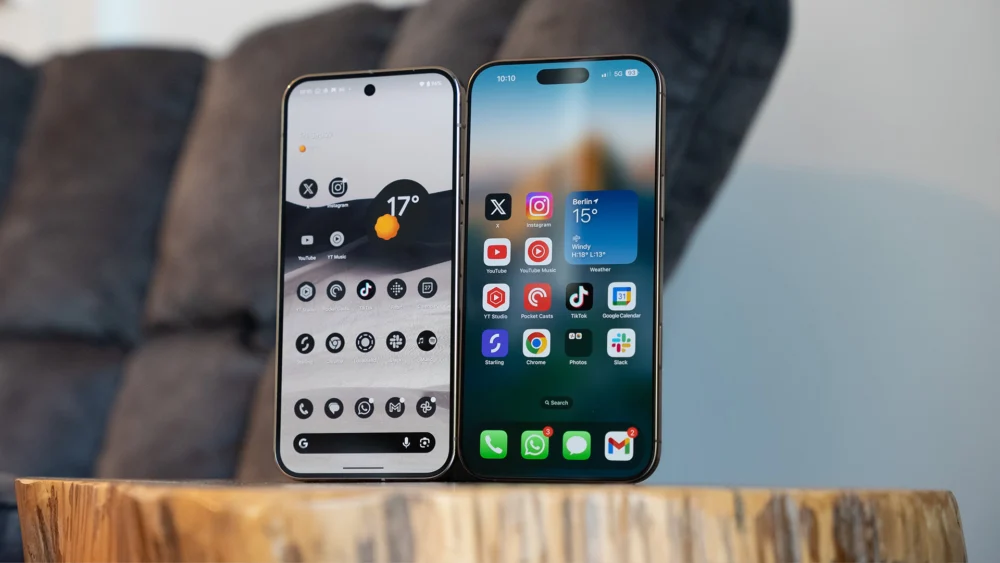
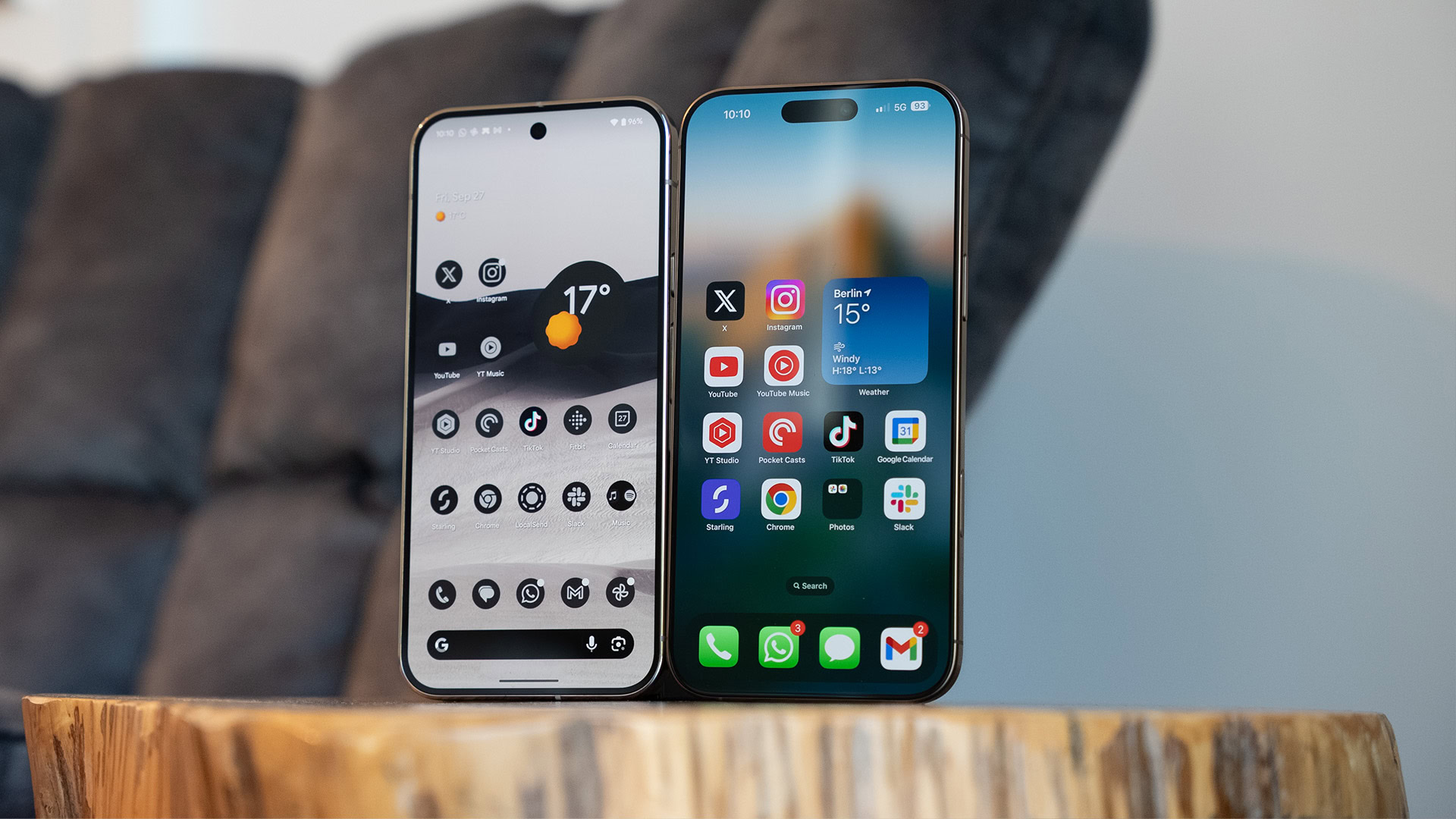
The contemporary smartphone landscape, particularly within the premium Android segment, is undergoing a curious phase of aesthetic convergence. Having closely examined the flagship offerings from titans like Google, Samsung, Xiaomi, and vivo over the past few cycles, a pervasive design motif has emerged, one that increasingly mirrors the industrial language established by Apple. This trend, which has accelerated significantly in the last eighteen months, suggests a collective industry fatigue with genuine innovation in physical form factor, favoring instead a well-trodden, arguably derivative path. The consequence is a homogenized hardware ecosystem where differentiation is relegated almost exclusively to the rear panel aesthetics and the intricacies of the camera array.
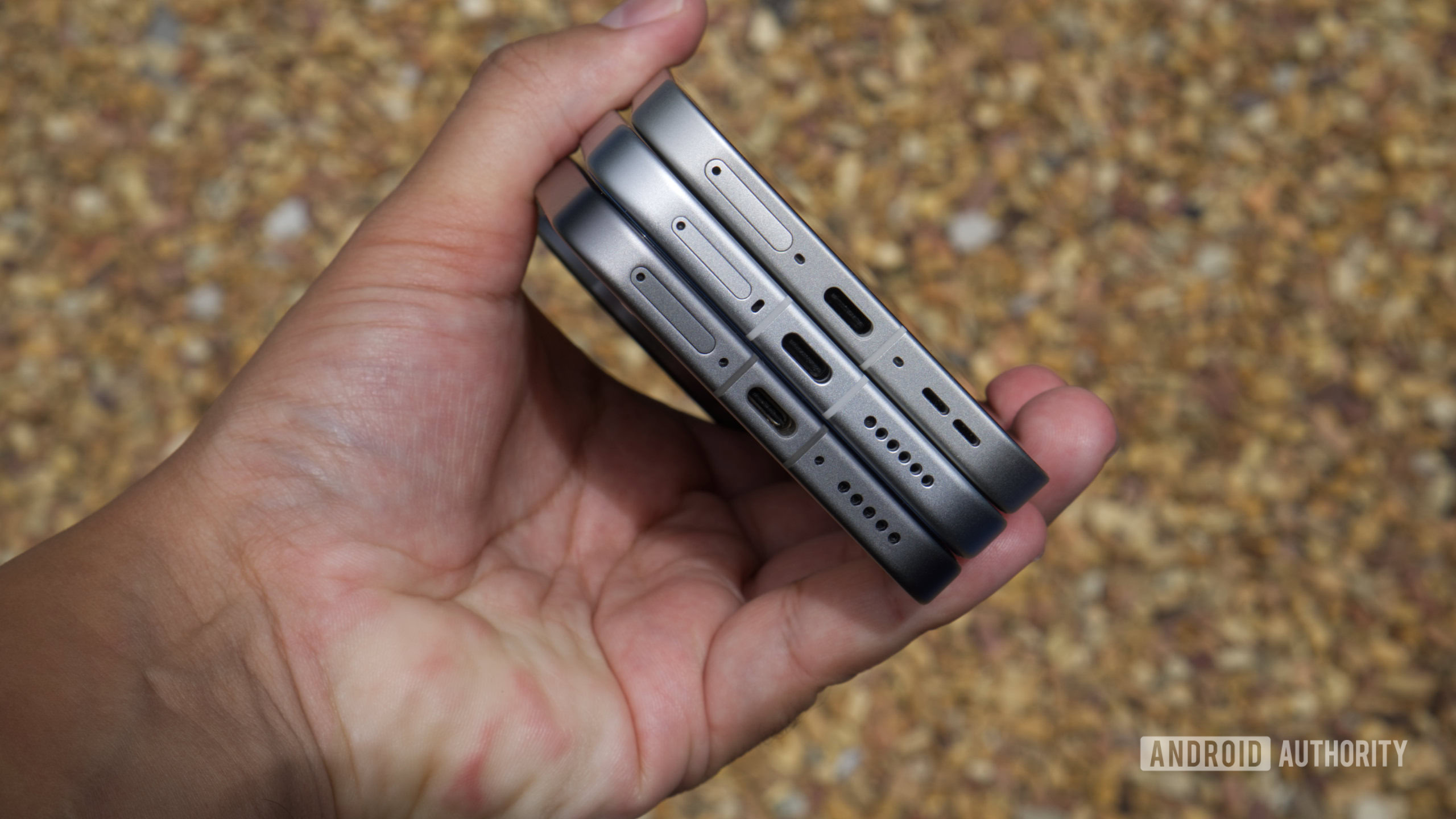
This homogeneity is more than just a matter of coincidence; it represents a strategic pivot, perhaps born from risk aversion or engineering expediency. The design in question—characterized by pronounced, sharp-edged flat frames juxtaposed with subtly radiused corners—was initially codified by Apple, notably with the iPhone 12 generation, following the softer, more contoured designs of its predecessors. While Android manufacturers flirted with similar geometric rigidity as far back as the Samsung Galaxy Alpha in 2014, the current saturation suggests an explicit adoption of the post-iPhone 12 blueprint across the board. Flagships such as the latest iterations of the Galaxy S series, the Google Pixel line (including anticipated models like the Pixel 10 series), and the current generation of OnePlus flagships all adhere closely to this structural silhouette. This widespread emulation leads to a disconcerting experience where handling multiple top-tier Android devices yields nearly identical tactile feedback, forcing reliance on camera module uniqueness to distinguish between them in a blind comparison.
The Ergonomic Cost of Conformity
Beyond the intellectual dissatisfaction stemming from a lack of creative risk, the functional implications of this aesthetic cloning are significant, particularly concerning ergonomics. Devices built around strict flat-sided profiles, while visually minimalist on a spec sheet, often prove substantially less comfortable during prolonged use than those employing subtly curved or tapered edges. Historical context supports this observation; for instance, devices like the Google Pixel 7 Pro or the Samsung Galaxy S8 were lauded for how their contoured frames melted into the user’s palm. The transition to stark, perpendicular edges inherently increases the perceived and actual bulk of the device, lending a dense, almost monolithic quality that contrasts sharply with the pursuit of thinness. A flat frame demands more surface area contact with the hand, potentially increasing pressure points and strain, an ironic trade-off when performance metrics continue to improve.
This design choice also artificially inflates the perceived thickness of the device. Modern components—batteries, advanced cooling systems, and sophisticated camera stacks—already push the physical limits of smartphone engineering. When these components are housed within a chassis defined by 90-degree angles, the visual perception is one of undue thickness, creating a "brick-like" sensation that undermines the sleekness manufacturers strive to project.
Repairability: The Regulatory Catalyst for Design Convergence
A crucial element in analyzing this widespread adoption of the flat-frame design centers on evolving global regulatory pressures, specifically the European Union’s forthcoming stringent Right to Repair legislation, set to take full effect by the end of July. This legislation mandates enhanced device longevity and user-serviceability, directly influencing hardware architecture. The flat-sided, squared-off design paradigm offers tangible engineering advantages in facilitating easier disassembly and reassembly compared to highly curved glass backs or complex, deeply integrated chassis designs.
Recent Pixel models, for example, clearly illustrate this shift. The move to flat frames coincides with the capability to open these devices from either the front or the rear panel, a marked improvement over previous generations that were often front-loading only—a significant impediment to straightforward battery replacement. While this structural change opens avenues for repair, the implementation by major players is not a guaranteed victory for the consumer. Reports from repair advocacy groups, such as iFixit, frequently note that while the physical architecture may permit access, manufacturers often compensate by increasing the reliance on adhesive bonding, effectively creating a trade-off where modularity is gained, but disassembly friction remains high due to excessive glue usage. Therefore, the design change might be less about proactive user advocacy and more about preemptively meeting a regulatory minimum threshold while maintaining proprietary assembly hurdles.
The Paradox of the "Easy Fix"
If repairability is a primary driver, it forces a re-evaluation of what constitutes good design in the modern era. The industry seems to have settled on the path of least resistance: adopting a design that has proven viable for a competitor who has already navigated the initial prototyping and tooling adjustments. For massive corporations like Samsung or Google, leveraging existing supply chain knowledge and design patterns associated with the dominant aesthetic minimizes R&D expenditure on novel structural elements. This is the essence of risk-averse iteration: if the market accepts the look, and it coincidentally aids compliance with new laws, the incentive to explore alternative, potentially riskier, ergonomic forms diminishes rapidly.
However, this industrial calculus overlooks the potential for brand dilution. When the physical embodiment of a product line begins to look indistinguishable from its primary competitor from any angle other than the rear camera module, the brand’s visual signature erodes. For Android manufacturers, who compete fiercely on feature sets, customization, and unique software experiences, the physical design remains a vital, tangible expression of that differentiation. When that physicality defaults to an established competitor’s style, the narrative shifts from showcasing superior engineering or software prowess to merely showcasing comparable hardware execution.
Charting a Course Away from Imitation
The argument is not that aesthetic evolution must halt, nor that engineering constraints should be ignored. Instead, the critique is leveled at the selective adoption of only part of Apple’s design language—the frame—while ignoring the vast reservoir of alternative, functional, and aesthetically rich design philosophies available within the mobile technology history books.
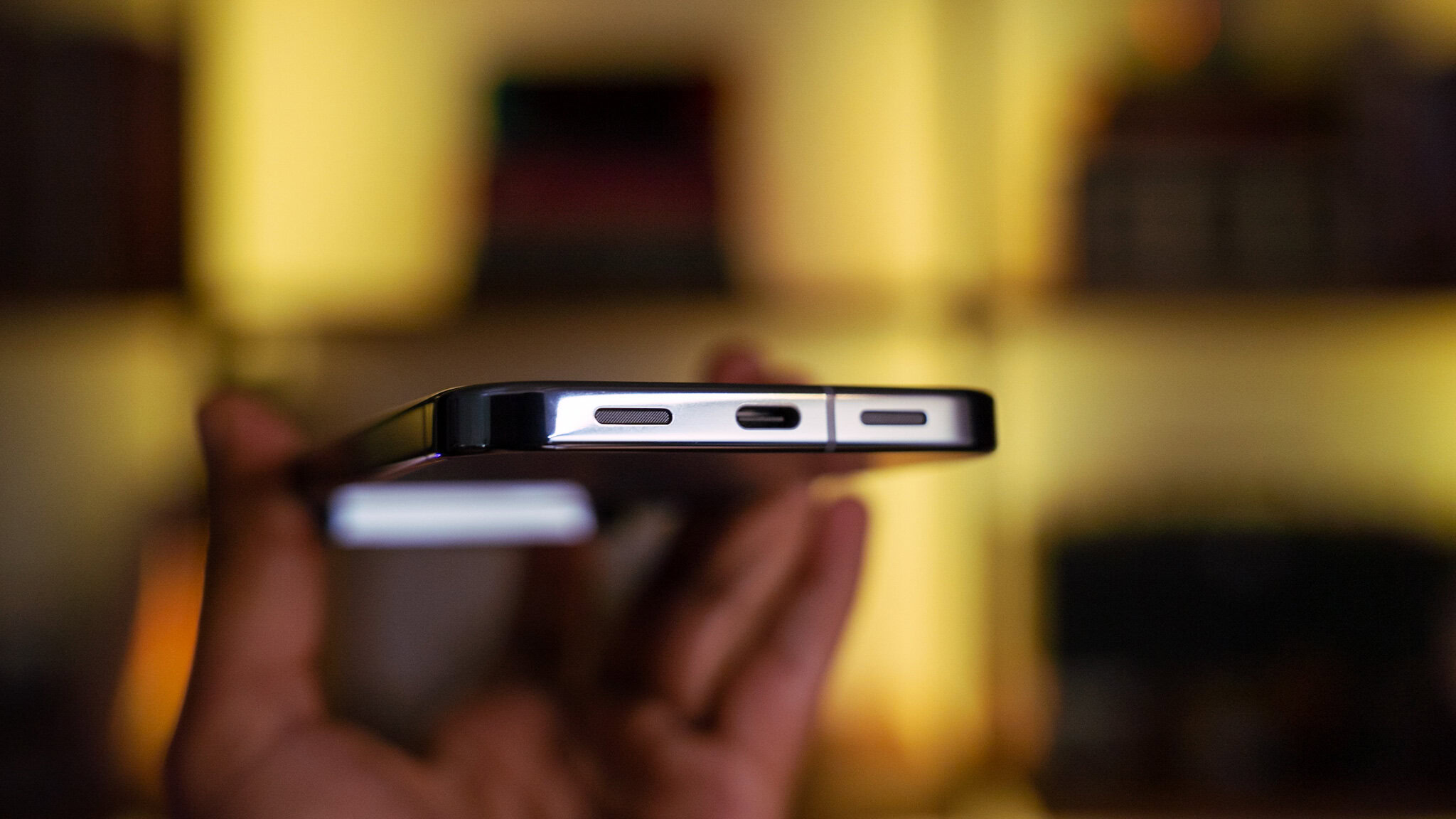
Consider the examples cited by those advocating for greater design diversity. The HMD Skyline, a device achieving an exceptional repairability score of 9/10 from leading evaluators, successfully sidestepped the flat-edge mandate. It utilized a combination of rounded side rails for comfort, paired with flat top and bottom surfaces. This hybrid approach achieves structural integrity and ease of servicing without adopting the entirety of the ‘slab’ aesthetic that can compromise in-hand feel. It demonstrates that functional compliance and unique design are not mutually exclusive objectives.
Similarly, niche players have historically proven that form factor can be an explicit point of differentiation. The modern revival of the Jolla Phone, for instance, retains curved sides essential for ergonomic comfort while incorporating highly user-centric features like user-accessible rear covers and user-replaceable batteries. Even established giants have, at times, experimented successfully outside the current trend. Sony’s Xperia line, with its distinct, often ridged frames (as seen in models like the Xperia 1 VII), deliberately chooses a tactile texture that immediately sets it apart, emphasizing grip and industrial design precision over mere visual imitation.
These counter-examples serve as crucial evidence that the industry’s current direction is a choice, not an inevitability. If smaller entities with comparatively constrained resources can invest in unique tooling and design language that serves both user experience and repair directives, the justification for multi-billion dollar conglomerates to rely on derivative styling becomes significantly weaker.
The Future of Form: Beyond the Flat Plane
Looking ahead, the pressure for differentiation will only intensify as processing power and display technology reach plateaus of incremental improvement. Physical design will regain its status as a primary battleground for consumer preference. We must anticipate a maturation in how manufacturers approach this challenge, moving beyond the simple replication of structural elements.
Future innovations in materials science, such as advanced composite polymers, ceramic-metal alloys, or bio-derived materials, offer avenues for creating devices with inherently unique textures, thermal properties, and weights that are independent of the frame geometry. A device could feel distinctly "light" or "warm" to the touch, attributes entirely separate from whether its edges are sharp or rounded.
Furthermore, the software-hardware integration, while crucial, should not be the sole differentiator. The era of beautiful, tactile hardware—devices like the original HTC One, which used its unibody metal construction as a defining feature, or the Moto X, renowned for its customized back panels and comfortable curvature—should serve as a reminder that successful industrial design resonates long after the technical specifications become obsolete. These past successes prioritized the human interface: how the device felt when picked up, used one-handed, and stored in a pocket.
The current trend risks rendering the premium Android experience interchangeable. While the internal competition over Tensor versus Snapdragon chips, or proprietary camera sensors, continues to rage, the exterior presentation is sending a clear message of creative stagnation. It is imperative that Android Original Equipment Manufacturers (OEMs) recognize that achieving regulatory compliance through design mimicry is a short-term fix that incurs a long-term cost to brand equity and consumer perception. The industry needs a bold return to form, one that celebrates the engineering flexibility inherent in the Android ecosystem rather than retreating into the safest, most visually familiar aesthetic mold available. The challenge is not merely to build a better phone than the iPhone; it is to build a phone that is unequivocally not an iPhone, both inside and out.
