

The foundational promise of the digital age—universal access to knowledge—has often been hampered by fragmentation. For decades, individuals seeking deep, structured education outside formal academia were forced into a tedious circuit: navigating the sprawling, unstructured video libraries of platforms like YouTube, enrolling in expensive, pre-packaged MOOCs (Massive Open Online Courses) from providers like Coursera or edX, or subscribing to professional development services like LinkedIn Learning. This ecosystem required users to constantly adapt to different pedagogical styles, navigate proprietary interfaces, and piece together curricula that were rarely perfectly tailored to their existing expertise or immediate needs. The sheer cognitive load of platform switching often became a greater obstacle than the subject matter itself.
This environment begged for a centralized, dynamic solution. While many anticipated that established large language models (LLMs) like OpenAI’s offerings would spearhead the educational overhaul, Google’s Gemini ecosystem has quietly introduced a functionality that may fundamentally alter the landscape of self-directed learning: Guided Learning. This feature moves beyond simple query-response interactions, offering something far more akin to a truly adaptive, digital mentor capable of constructing bespoke educational pathways on demand.
The Paradigm Shift: From Search Aggregation to Curated Instruction
The current state of online learning, even leveraging AI tools, has traditionally relied on aggregation. A user might prompt ChatGPT for an overview of "quantum entanglement," receiving a concise, yet static, textual explanation. This is informative, but it is not instructional in the true sense. It lacks sequencing, assessment, and context-specific adaptation.
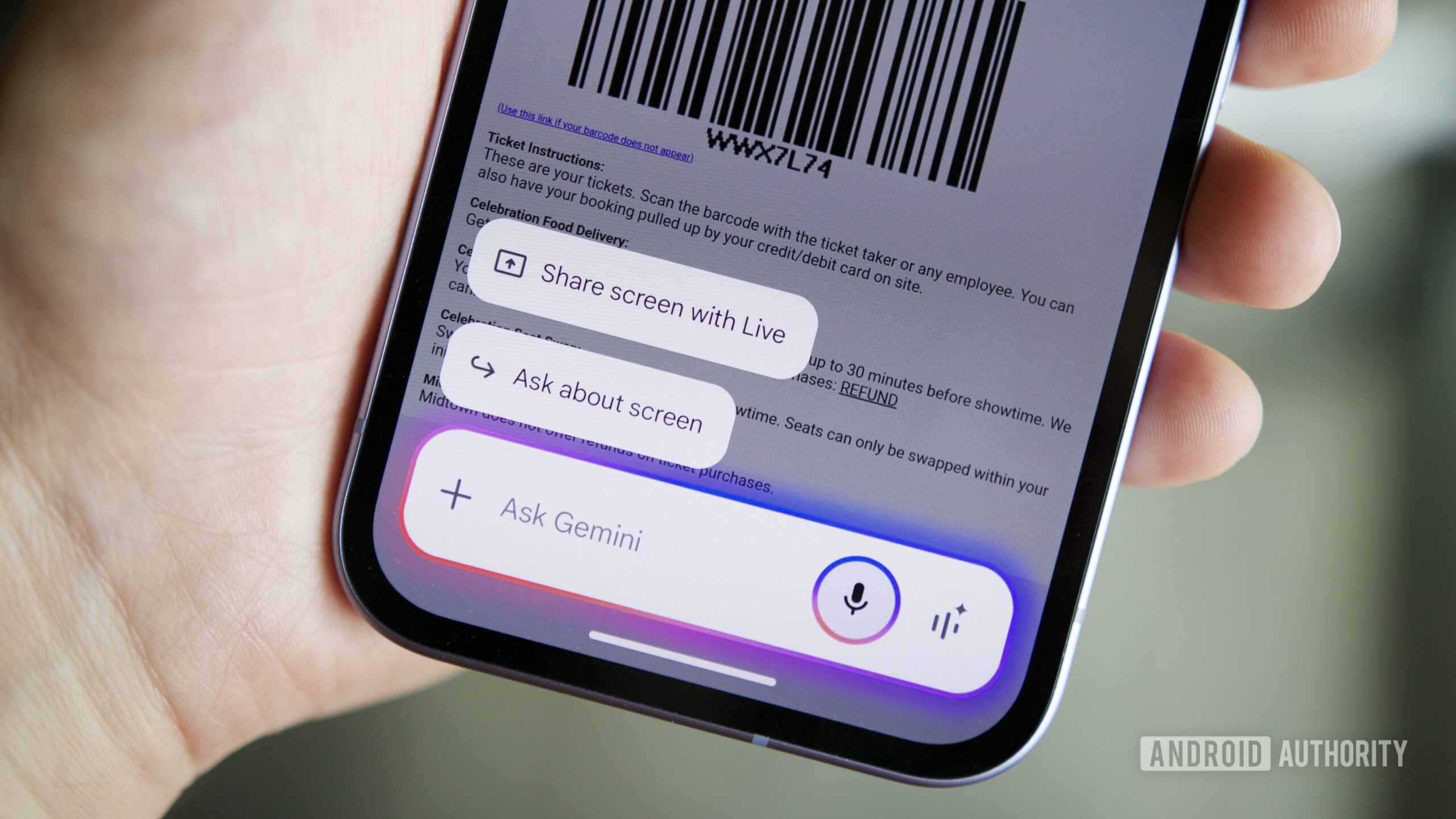
Gemini’s Guided Learning mode represents a critical evolution in this dynamic. It fundamentally reinterprets the user’s input—not as a search query, but as the statement of a learning objective. The system then actively generates a sequential, multi-step curriculum designed to bridge the gap between the user’s current knowledge state and the desired proficiency level.
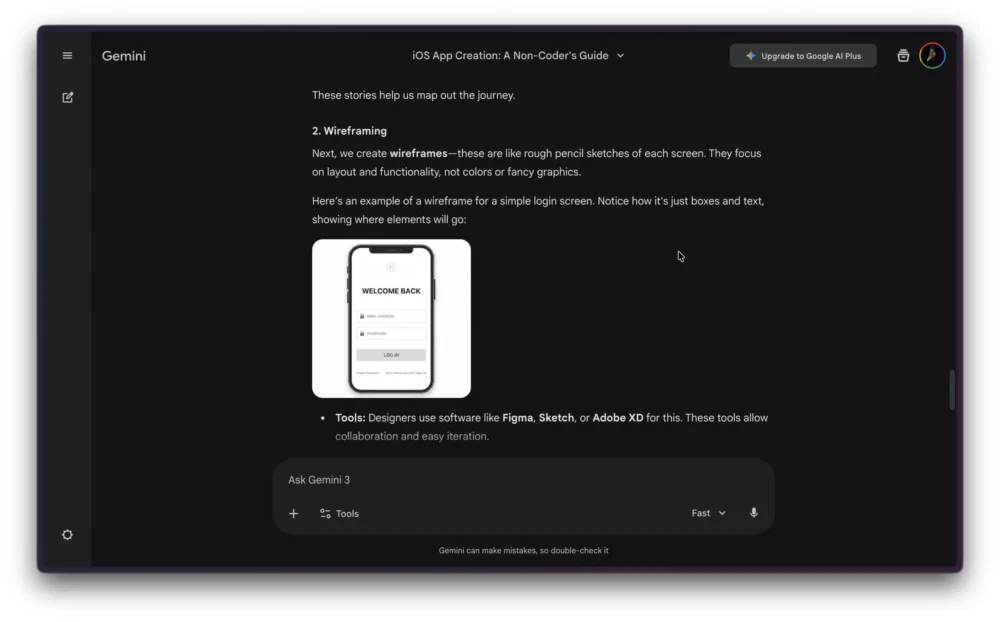
Consider the scenario of a seasoned journalist attempting to pivot into the technical domain of mobile application development. In a traditional setting, this requires mastering development methodologies, understanding SDKs, grasping user experience (UX) principles, and learning marketing basics for app store optimization—a sprawling syllabus sourced across multiple, disparate courses. When this objective is fed into Guided Learning, the AI doesn’t just summarize "app development." It analyzes the inferred background (journalism, communication, narrative structure) and builds a course that explicitly frames technical concepts using relatable analogies from media and content creation. For instance, explaining API endpoints might be likened to sourcing verifiable quotes from an external publication.
This contextual resonance is the feature’s most potent asset. It bypasses the necessity of starting every learning journey from a presumed zero-knowledge baseline, a significant flaw in most standardized online courses. By acknowledging the user’s existing professional scaffolding, Gemini accelerates comprehension and retention. The system acts as a high-fidelity translator, mapping complex, unfamiliar domains onto established mental models.
Industry Implications: Disruption in the EdTech Sector
The emergence of highly capable, personalized, on-demand learning modules carries profound implications for the multi-billion dollar EdTech industry. Traditional platforms, reliant on economies of scale derived from producing standardized, high-production-value courses, face an existential challenge.
Decentralization of Curriculum Design: The core value proposition of platforms like Coursera—certified, expert-vetted curricula—is diluted when an LLM can dynamically generate a curriculum on any niche topic, complete with interactive assessments, in moments. While accreditation remains a differentiator for certain professional fields (e.g., medicine, law), for upskilling in rapidly evolving areas like digital marketing, data science fundamentals, or software adjacent roles, the speed and precision of AI-generated paths become paramount.
The Erosion of Platform Lock-in: Users currently commit to platforms based on their content libraries. If Gemini, integrated within the broader Google ecosystem, can provide equivalent or superior learning experiences by synthesizing information across the web and internal Google resources, the need to maintain multiple subscriptions or loyalty to a specific EdTech provider diminishes rapidly. This forces established players to innovate either in accreditation value or in deep, specialized content creation that AI cannot yet replicate with verifiable authority.
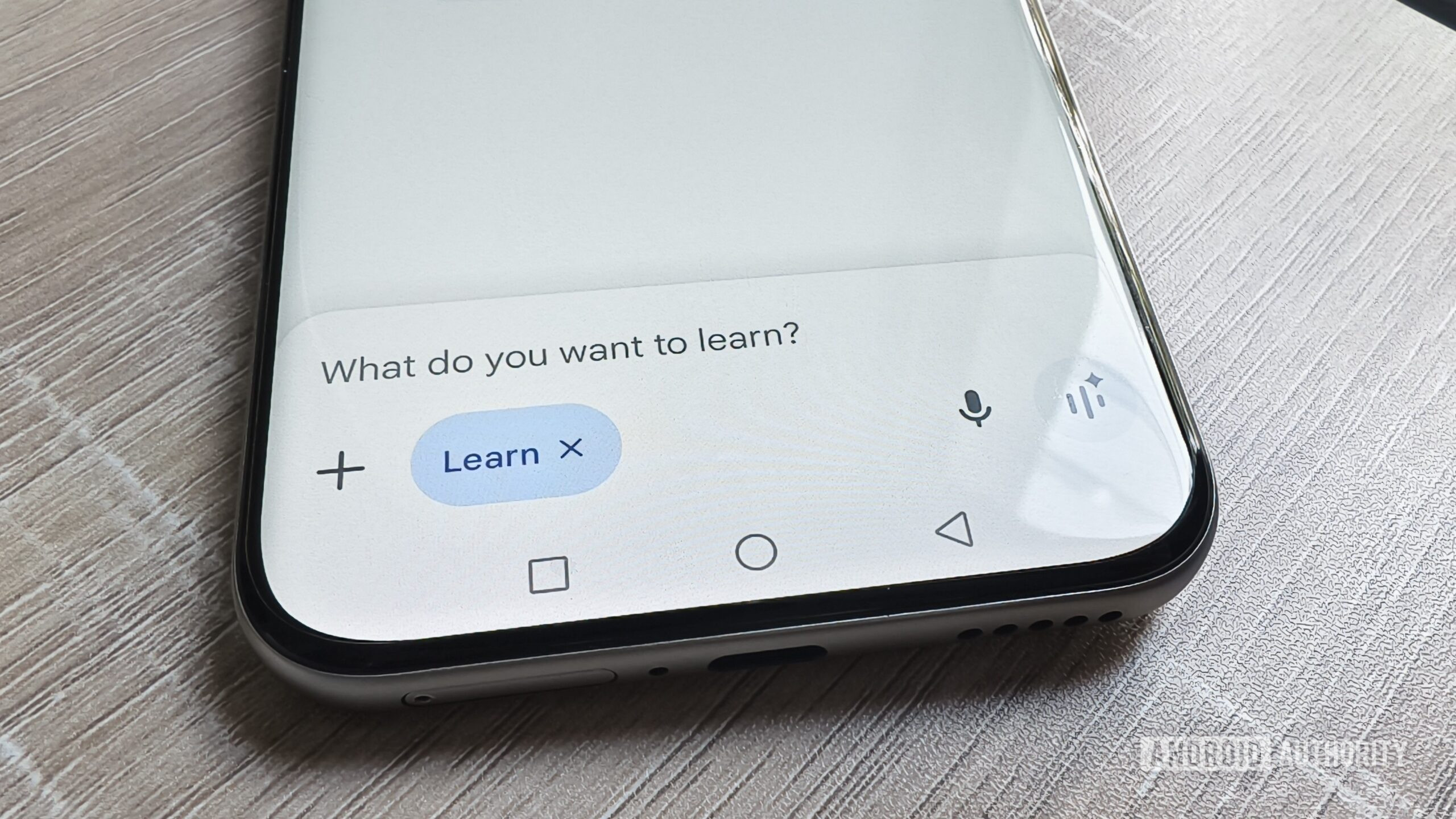
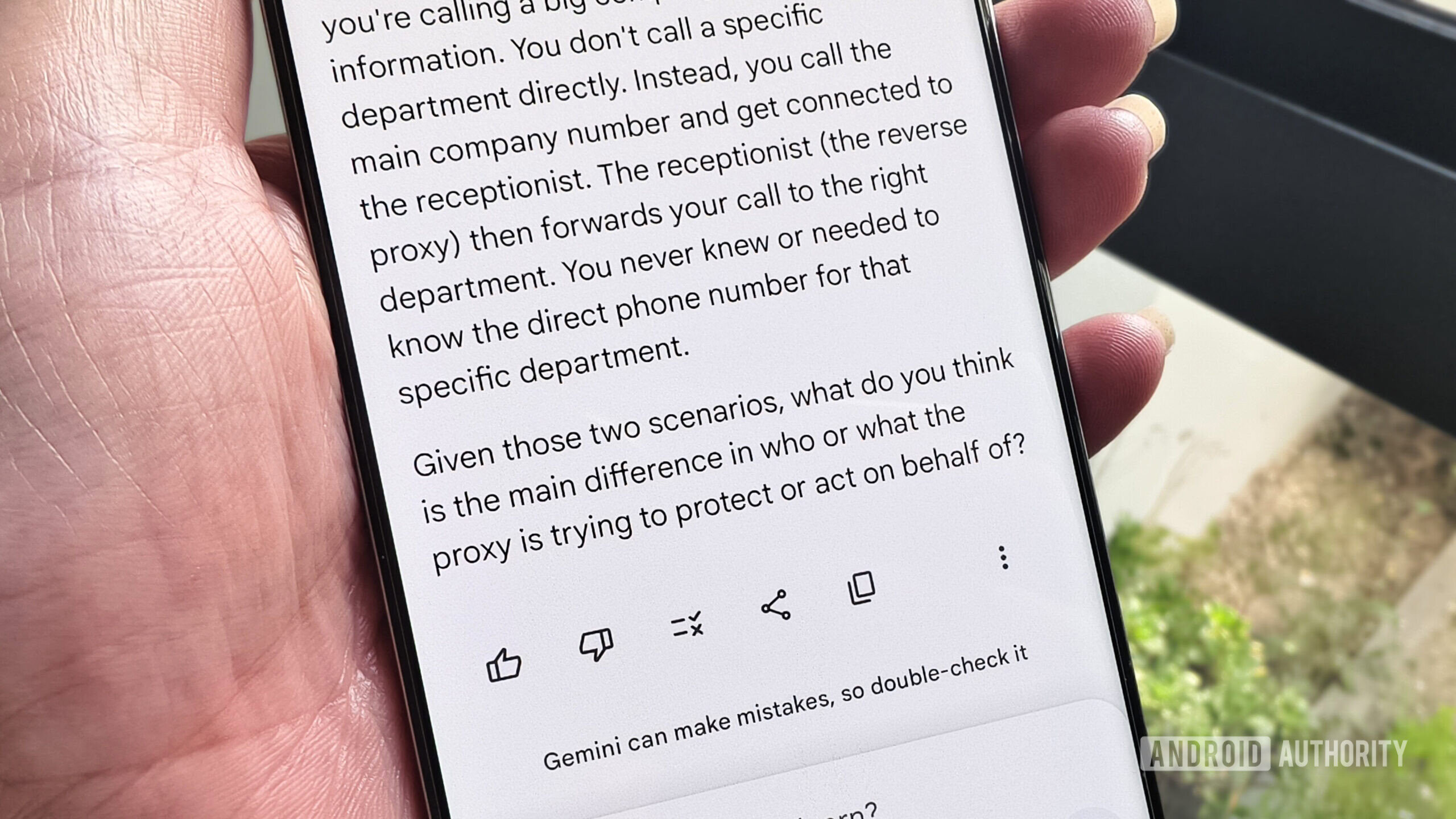
Expert Analysis: The Role of Interactivity and Assessment: What elevates Guided Learning beyond a sophisticated text generator is its emphasis on formative assessment. The AI actively probes understanding through quizzes. Critically, its feedback loop is dual-pronged: correctness is reinforced with real-world application examples, while errors trigger targeted remediation, explaining the ‘why’ behind the mistake rather than simply presenting the correct answer. This mimics the Socratic method employed by top-tier human tutors, but at infinite scale. Furthermore, the integration of generative image models, such as the rumored ‘Nano Banana’ capabilities mentioned in initial explorations, adds a crucial multimodal layer, transforming abstract concepts into visual aids instantly, addressing a major shortcoming of text-heavy instruction.
Overcoming the Monotony Barrier: The Need for Multimodal Integration
Despite the sophisticated personalization and interactive quizzing, the current interface remains predominantly text-based. This presents the single most significant bottleneck to sustained engagement: cognitive fatigue. Human learning is inherently multimodal; absorbing complex information through continuous reading, regardless of formatting, eventually leads to diminishing returns.
For Gemini Guided Learning to achieve true mainstream dominance as a primary educational tool, Google must urgently resolve the modality gap by integrating its richest content repositories:
-
YouTube Integration: The internet’s largest repository of video content, particularly academic lectures (e.g., CS50), remains largely siloed. An advanced iteration of Guided Learning should automatically scan relevant YouTube content based on the lesson module and dynamically embed the most appropriate video explainer or demonstration directly into the sequence. If Lesson 3 discusses Search Engine Optimization (SEO) algorithms, the system should pull the top three relevant, high-quality YouTube explainers, ranked not by view count, but by contextual relevance to the current lesson structure. This would immediately diversify the learning experience, injecting visual and auditory engagement.
-
NotebookLM Synergy: The lack of seamless integration with tools designed for knowledge synthesis, like NotebookLM, forces unnecessary friction. If a user finds a particularly dense segment of a Gemini-generated course, the ability to instantly push that entire segment—text, quiz structure, and generated imagery—into a personal research workspace for audio summarization or deeper personal annotation would be transformative. Bypassing the manual copy-pasting to create an audio version of a text-heavy module (a key feature of NotebookLM) streamlines the transition from structured learning to active recall and review.
-
UI/UX for Long-Form Learning: For extended engagements, the current chat interface lacks the organizational structure necessary for long-term navigation. A dedicated, persistent sidebar akin to the document outline feature in Google Docs is essential. This pane would map the entire generated course structure, display completion status (checked off modules, pending assessments), and allow for rapid context switching between sections. This structural scaffolding transforms a linear conversation into a navigable, self-paced course environment, fostering better metacognition about one’s learning progress.
Future Trajectories: The Hyper-Personalized Knowledge Graph
The trajectory of Gemini Guided Learning points toward the creation of a dynamic, personalized knowledge graph for every user. This is far beyond the current capabilities of traditional Learning Management Systems (LMS).
Adaptive Depth Control: Future iterations will likely allow users to specify not just the topic, but the desired cognitive depth. A user could request, "Explain blockchain technology to me at a conceptual level suitable for a business executive," or conversely, "Explain the cryptographic underpinnings of blockchain at the level of a first-year computer science student." The AI’s ability to modulate vocabulary, complexity, and the inclusion of mathematical proofs or proofs-of-concept will become granular.
Proactive Skill Gap Identification: Leveraging the vast data from Google Workspace integration (Docs, Gmail), Gemini could move from reactive tutoring to proactive skill identification. If an analysis of a user’s recent documents shows frequent reliance on rudimentary statistical terms, the system could proactively suggest, "I notice you are frequently working with foundational data analysis. Would you like to start a Guided Learning module on multivariate regression, contextualized for your current report writing style?" This shifts the paradigm from seeking knowledge to having knowledge needs anticipated.
The "Tutor-as-Service" Model: Ultimately, Google is positioning Gemini not just as a search enhancer or a content generator, but as a utility layer across the digital workspace. Guided Learning represents the first strong step toward democratizing high-quality, one-on-one instruction. If this functionality proves sticky and effective—as initial anecdotal evidence suggests—it establishes a powerful moat around the Google ecosystem. Why invest time learning a new platform when the most powerful learning assistant is already embedded where you work, read, and communicate?

The success of Gemini Guided Learning hinges on Google’s commitment to evolving its multimodal delivery. If the text-centric limitations can be overcome by weaving in video, audio, and superior navigational aids, this feature has the potential to render many existing digital education subscription models obsolete, offering a bespoke, powerful, and contextually aware learning experience accessible to anyone with a device. It is not just a feature; it is a blueprint for the future of applied, continuous professional development.
