

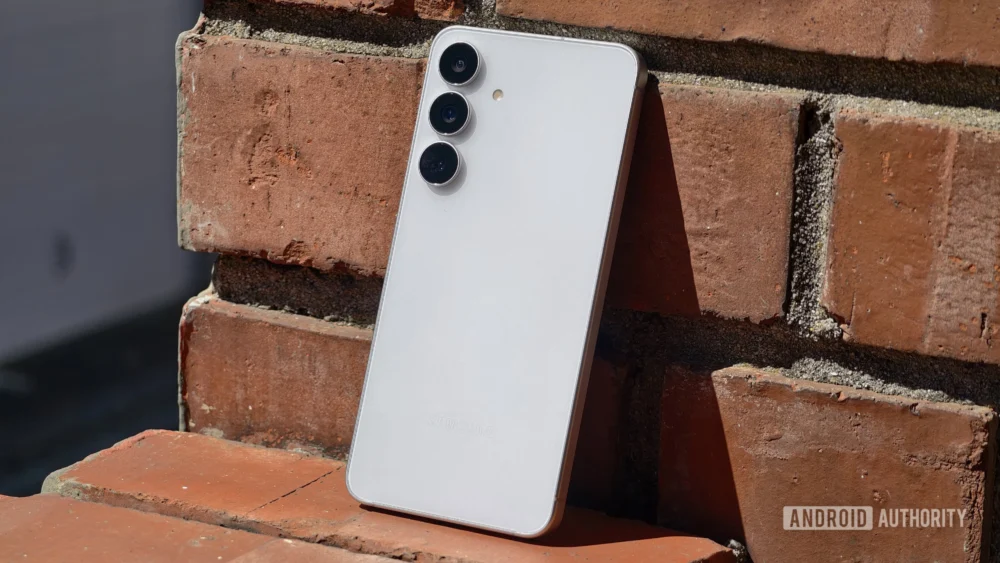
Samsung’s annual flagship cycle, typically culminating in the unveiling of the new Galaxy S series around the first quarter, is approaching its next iteration with the Galaxy S26. Scheduled for a February 25 debut, the anticipation surrounding this launch appears markedly subdued based on current industry intelligence. For consumers contemplating an upgrade in early 2026, the critical calculus is shifting away from the forthcoming device, suggesting that the preceding generation, the Galaxy S25, may offer a more pragmatic and financially astute acquisition. This assessment stems from persistent reports indicating a stagnation in core hardware evolution for the standard and Plus models of the S26 lineup, a trend that has significant ramifications for consumer electronics purchasing strategy and the broader competitive landscape of the premium smartphone market.
Contextualizing the Stagnation: The Shadow of Internal Revisions
To fully appreciate the current consumer dilemma, it is essential to examine the reported genesis of the Galaxy S26’s baseline models. Leaks and industry speculation suggest that the S26 series we are anticipating is not the device Samsung originally envisioned. Reports point toward an internal pivot away from a more ambitious structure—potentially involving a "Galaxy S26 Pro" alongside an "Edge" variant—back toward the familiar S26, S26 Plus, and S26 Ultra configuration. This strategic realignment is widely believed to be driven by macroeconomic pressures, specifically the necessity to maintain competitive pricing against rivals, most notably Apple’s anticipated iPhone 17 series pricing tiers.
This forced recalibration inherently impacts the non-Ultra devices disproportionately. When product roadmaps are compressed or cost-optimized late in the development cycle, it is invariably the mid-tier offerings that absorb the most significant cuts in planned innovation. Consequently, the base Galaxy S26 and S26 Plus are reportedly inheriting hardware increments so minimal that they barely constitute a generational leap over their S25 counterparts. In the unforgiving metric of expectation versus realized feature set, these models risk being categorized as the year’s most underwhelming flagship updates, failing to meet the baseline evolutionary standards the market has come to expect from Samsung’s perennial Android leadership.
A Deep Dive into the Incrementalism: Where the S26 Falls Short
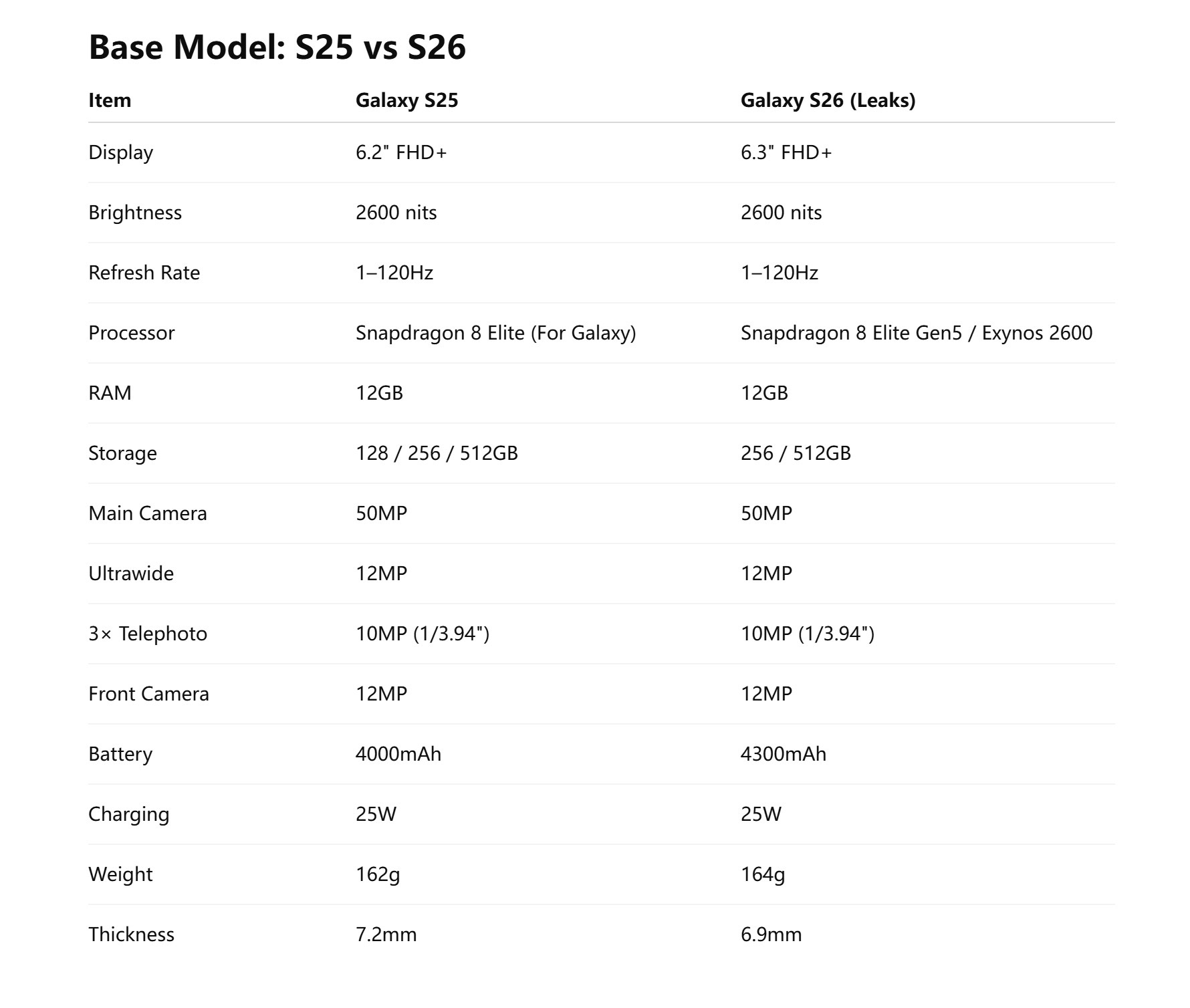
Analysis of the rumored specifications for the S26 series paints a picture of extreme iteration rather than revolution for the standard variants. For the fourth consecutive cycle, high-fidelity leaks suggest a complete absence of planned upgrades to the primary camera hardware on the S26 and S26 Plus. In an era where computational photography and sensor technology are rapidly advancing, maintaining the status quo in optics represents a significant opportunity cost for consumers upgrading from an S24 or even an S25.
Furthermore, critical internal specifications remain stubbornly static. The 12GB RAM configuration, already a competitive point against some rivals who have pushed higher capacities even in standard flagships, appears unchanged. This is particularly relevant given ongoing, albeit fluctuating, global supply chain pressures affecting memory components. Equally uninspired are the rumored display enhancements: reports indicate no increase in peak brightness or an advancement in adaptive refresh rate technology beyond what is already present in the S25.
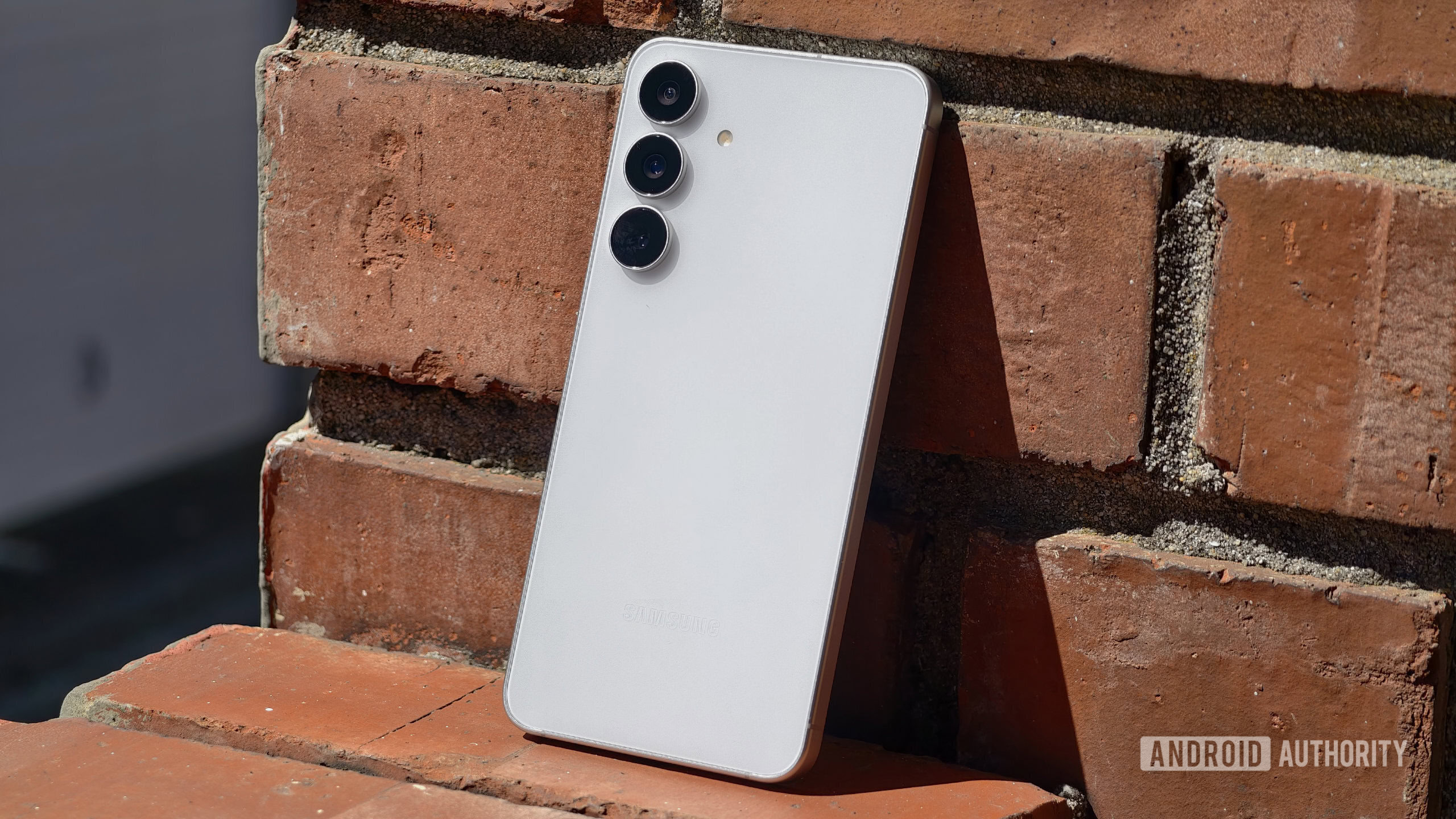
The few tangible upgrades appear concentrated around the chipset and battery. The S26 series will feature the next-generation silicon, likely branded the Snapdragon 8 Elite Gen 5. While this promises raw performance uplift, the industry remains cautiously skeptical regarding thermal management, particularly in Samsung’s implementation. Sustained peak performance under heavy load—a key differentiator in modern mobile gaming and intensive application use—remains an open question contingent on Samsung’s ability to effectively tame the new architecture’s heat profile.
Beyond the processor, the base S26 may receive a marginally larger battery capacity, though analysts note this improvement is unlikely to reach the substantial capacities (e.g., 6,000mAh+) seen in some competitor devices. Charging technology remains a point of contention in the rumor mill. While some sources predict a welcome jump to 45W wired charging, others maintain a conservative stance, suggesting the persistence of the comparatively sluggish 25W standard. The adoption of Qi2 wireless charging, hinted at by Samsung’s push for related accessory ecosystems, may introduce magnetic alignment convenience, but this is an ecosystem feature, not a core performance upgrade.
Ultimately, the S26 standard models seem destined to rely heavily on incremental software refinements, specifically the next iteration of Galaxy AI features. While these features may provide initial novelty, historical precedent suggests that many "killer apps" of launch week often become integrated, diluted, or simply overlooked features within months, offering little sustained justification for an immediate, full-price upgrade.
The Economic Argument for Embracing the S25 Now
The primary justification for advocating the Galaxy S25 as the prudent early 2026 acquisition lies squarely in the realm of value proposition and depreciation curves. The Galaxy S25, having completed its first full year on the market, has already passed its steepest depreciation phase. It is now available at demonstrable street prices significantly below its initial launch MSRP.
In markets like the US, the S25 is frequently observed trading around the $650 mark, often dipping closer to $600 during promotional windows. Conversely, the Galaxy S26 is projected to debut at a price point near the S25’s initial launch figure, potentially carrying a $200 premium over the current discounted S25 rate, assuming no unexpected price increases in key regions. When a consumer is paying substantially less for a device that offers 90% of the anticipated S26’s functionality—especially given the S26’s minimal hardware divergence—the economic rationale for waiting dissolves.
Furthermore, the historical pattern of Samsung launch promotions adds another layer to this argument. Samsung’s pre-order incentives, while initially attractive, have reportedly diminished in perceived value in recent cycles. Consumers are less reliant on bundling deals or minor trade-in bonuses to secure a worthwhile transaction. If the S26 launch yields similarly uninspiring pre-order packages, the immediate financial benefit of waiting is negligible compared to the guaranteed savings available on the S25 today. This dynamic explains the reported sales resurgence for the S25 several months post-launch; the market is beginning to recognize the superior price-to-performance ratio currently offered by the prior generation.
Industry Implications: The Cost of Product Portfolio Management
Samsung’s decision to heavily stratify innovation between the Ultra and the standard models, exacerbated by the alleged last-minute roadmap reversal, carries broader implications for the competitive dynamics of the Android ecosystem. This strategy is a direct response to market realities: maximizing profitability on the high-margin Ultra while using the base models as price anchors against mid-to-high-end competitors.
This approach, however, risks alienating the core consumer base that values iterative, dependable upgrades. If Samsung continues to reserve significant technological advancements exclusively for the highest-priced model, it forces users seeking core flagship experiences—premium build, flagship processor, excellent display—to commit to the highest tier. This tactic inadvertently creates market openings for competitors who focus on delivering a more balanced, high-value proposition across their entire premium lineup.
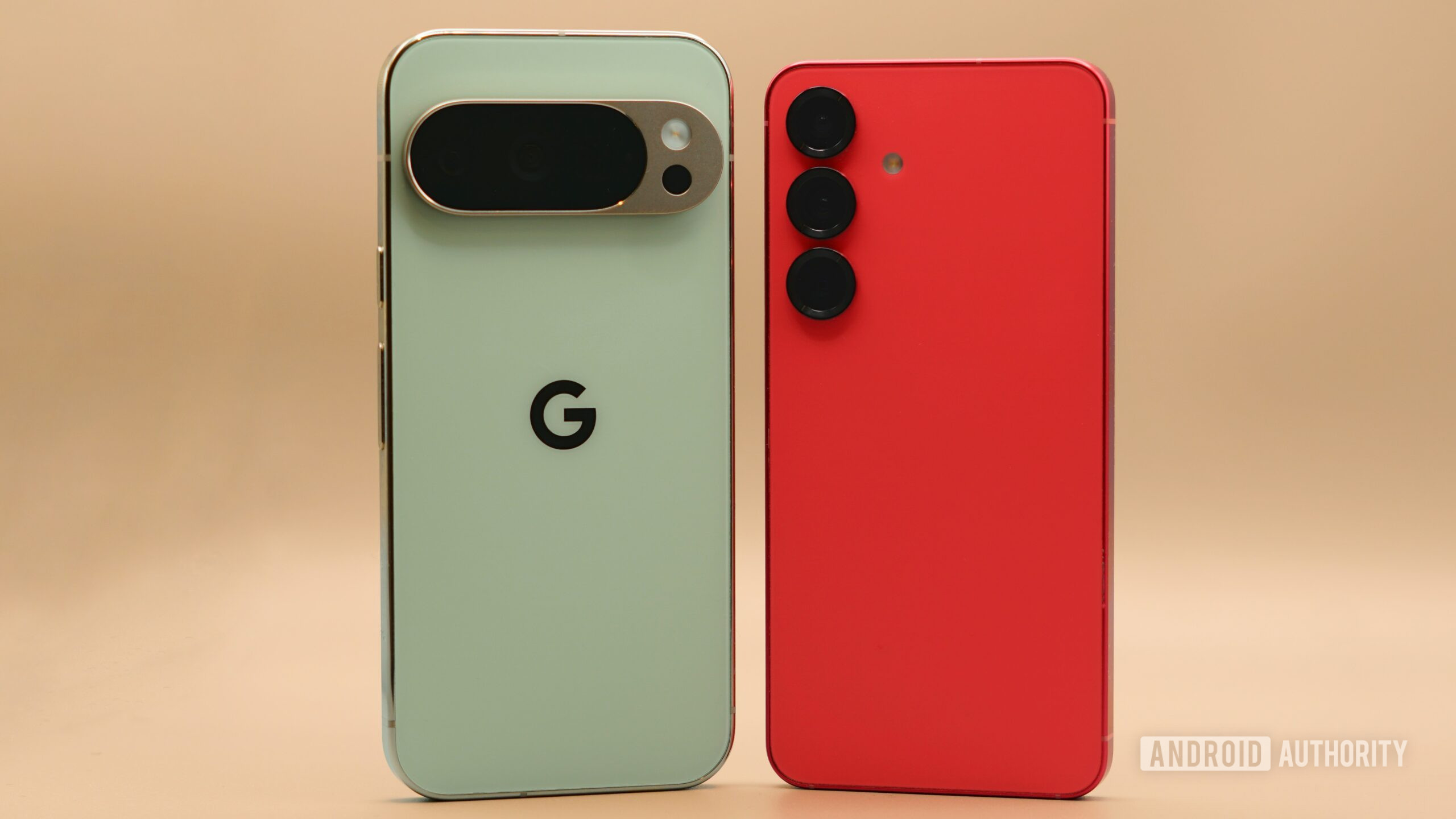
For instance, manufacturers like OnePlus and Google are increasingly leveraging the incremental slowdown from established leaders. The OnePlus 13, positioned around an $800 starting price, often bundles superior battery life (potentially exceeding 5,000mAh) and significantly faster charging speeds than the rumored S26 base model, all while offering a competitive 12GB RAM configuration. Similarly, the Google Pixel 10, frequently discounted to the S25’s current street price, offers distinct advantages in key areas such as a dedicated 5x optical telephoto lens—a feature entirely absent from the standard S26 spec sheet—and potentially superior computational photography processing.
The industry trend suggests a move toward feature parity in processing and display technology, making camera systems, battery longevity, and charging speed the new battlegrounds. By neglecting these areas in the S26 standard line, Samsung risks allowing rivals to define the standards for value in the $600–$850 price bracket, a segment crucial for volume sales.
Future Impact and Consumer Agency: Voting with the Wallet
The long-term consequence of this iterative cycle rests with consumer behavior. If the market accepts minimal upgrades at premium pricing, the incentive for manufacturers to invest heavily in widespread generational leaps diminishes. The only viable mechanism for signaling dissatisfaction with stagnation is through purchasing decisions.
For the consumer who requires a new device before the S26 officially lands, the choice is clear: the Galaxy S25 currently offers a mature, refined experience built upon Samsung’s robust One UI platform, bolstered by a commitment to seven years of software support—a longevity promise that ensures the S25 remains relevant well into the S27 lifecycle. The immediate savings negate the marginal, unproven benefits of the S26.
The exceptions to this advice are narrow:
- Carrier Subsidies: If an existing carrier agreement permits a near-zero-cost upgrade pathway directly to the S26, the opportunity cost of waiting is eliminated.
- Critical Charging Need: If 25W charging is genuinely a daily impediment, waiting to confirm the 45W upgrade in the S26 might be justifiable, though even this is a high price to pay for a single specification bump.
- Post-Launch Price Collapse: Waiting until late Q1 or early Q2 2026 to see if the S25 price drops further after the S26 launch might secure the absolute best deal on the S25, potentially saving another $50–$100.
For those flexible outside the Samsung ecosystem, the landscape offers genuine innovation worth exploring now. Devices like the OnePlus 13 or the Google Pixel 10 present compelling hardware packages that surpass the rumored S26 specifications in areas like battery life and imaging versatility, often at a comparable or lower cost than the expected S26 MSRP.
In conclusion, the calculus for early 2026 purchasing favors prudence over anticipation. The Galaxy S26 standard models are shaping up to be more of a continuation than a true evolution, a product of strategic restraint rather than technological ceiling. Acquiring a discounted Galaxy S25 now secures a high-end device with proven performance and longevity, effectively sidestepping a minor refresh cycle bottlenecked by cost considerations. The most powerful statement a discerning consumer can make regarding the industry’s tendency toward incrementalism is to allocate capital toward demonstrably better value today, signaling to manufacturers that stagnant innovation will not be rewarded with full-price commitment.
