

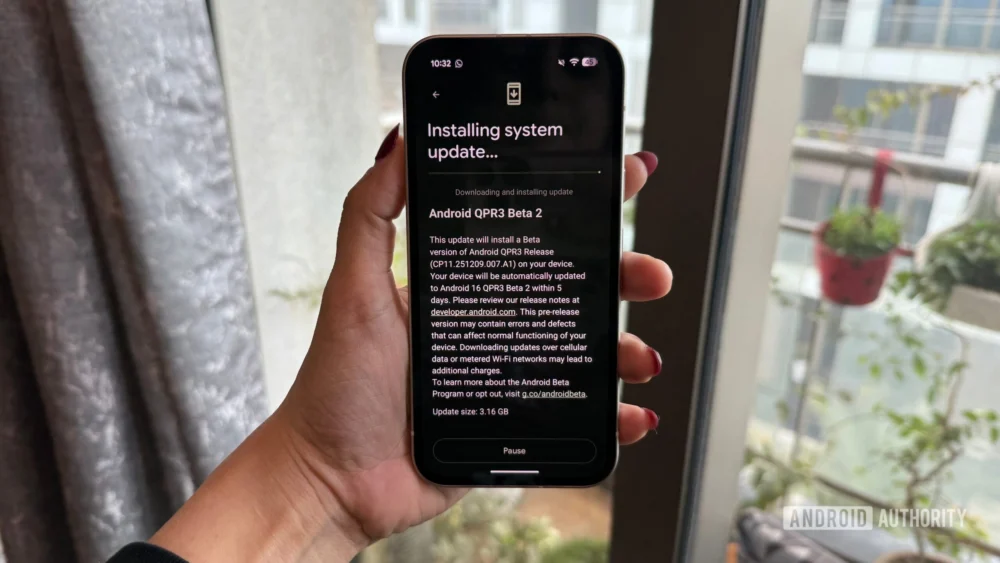
The cadence of software development in the mobile ecosystem is accelerating, marked by the steady progression of beta releases that offer enthusiasts and developers a glimpse into the near future of operating system functionality. The arrival of Android 16 Quarterly Platform Release 3 (QPR3) Beta 2 signifies a critical juncture in this development cycle for Google’s Pixel hardware line. This incremental update, following the initial QPR3 Beta 1 rollout in December, is not merely a maintenance release; it represents a concerted effort by the engineering teams to refine stability, address nascent bugs, and solidify the feature set slated for the final public launch of the QPR3 maintenance cycle for Android 16. For the dedicated segment of the user base committed to testing pre-release software, securing this build is paramount to contributing to the platform’s maturation and experiencing the cutting edge of mobile operating system enhancements.
The Significance of QPR Releases in the Android Cadence
To fully appreciate the importance of QPR3 Beta 2, one must understand the context of Google’s modern Android release structure. The primary annual release, Android 16, establishes the core framework and major feature set. However, Google has increasingly relied on Quarterly Platform Releases (QPRs) to deliver substantial updates outside of the annual flagship launch window. These QPRs serve several vital functions: they introduce significant new features that weren’t ready for the initial release, refine existing system architecture, and, most importantly for the beta track, provide intensive stability testing through iterative beta cycles.
QPR3, in particular, often serves as the final major refinement phase before the next full Android version cycle begins its early development previews. Beta 1 establishes the foundation for the features within this quarter, but Beta 2 is where the real hardening occurs. The focus shifts from introducing new experimental elements to aggressively debugging and optimizing the experience. Reports indicate that QPR3 Beta 2 has concentrated heavily on squashing a "ton of bugs," suggesting a focus on performance improvements, memory management optimizations, and addressing obscure compatibility issues reported by early adopters of Beta 1. For power users, this translates directly into a more reliable, less frustrating daily driver experience, bridging the gap between experimental software and production-ready code.
Technical Pathways to QPR3 Beta 2 Installation
Accessing this specific build hinges entirely on device ownership—specifically, possessing a compatible Google Pixel device enrolled in the Android Beta Program. The installation procedure bifurcates based on the user’s prior participation in the beta track.
Scenario 1: Seamless Upgrade from QPR3 Beta 1
For users who proactively enrolled in the Android 16 QPR3 Beta 1 program when it launched, the migration to Beta 2 is designed to be frictionless, mimicking a standard Over-The-Air (OTA) update. This is the most straightforward pathway, leveraging the existing enrollment status.
- Initiate System Check: Navigate to the device’s Settings application.
- Locate Software Information: Scroll down and select System, followed by System update.
- Check for Updates: Tap the Check for update button.
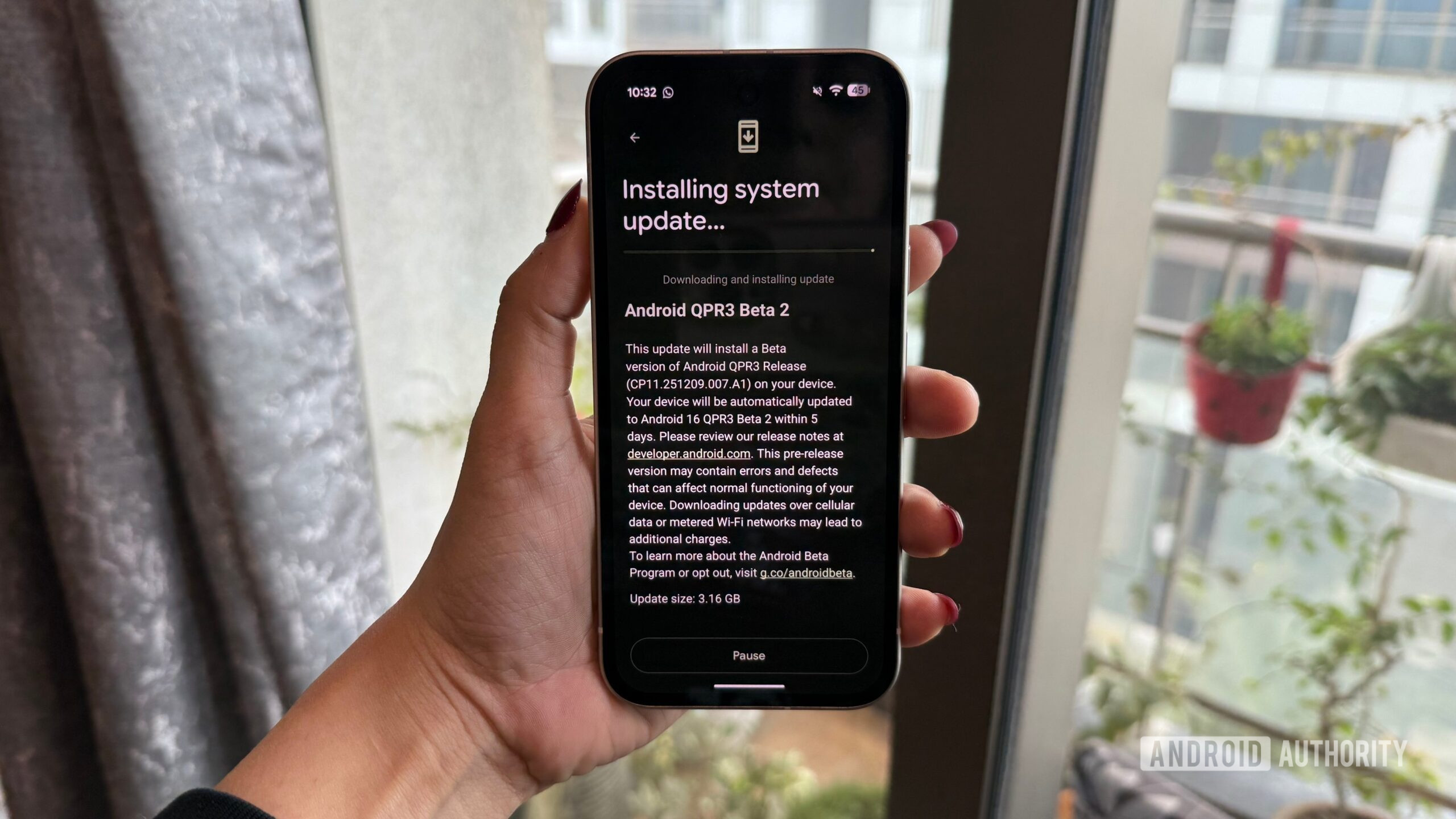
Upon a successful server handshake, the device should immediately detect the Android 16 QPR3 Beta 2 build. Users must then confirm the download and follow the standard reboot procedure to complete the flashing process. The relatively short time frame between releases suggests that this update is likely a cumulative patch, meaning it contains all previous fixes alongside the new Beta 2 refinements.
Scenario 2: Joining the Beta Track for the First Time
For users running the stable public release of Android 16 who wish to jump onto the QPR3 Beta 2 train mid-cycle, the process requires initial enrollment into the overarching Android Beta Program managed via the Google Developer portal. This enrollment grants access to the latest available track—in this case, QPR3 Beta 2—rather than forcing a stepwise progression through Beta 1.
Step A: Enrollment Prerequisites and Portal Access
Before initiating the download, users must ensure their Pixel device meets the compatibility criteria (typically the latest three generations of Pixel hardware are supported for QPR betas) and confirm that they are comfortable with the inherent risks of pre-release software, including potential instability or data loss (a comprehensive backup is always advised).
- Access the Android Beta Website: Using a web browser (on the phone or a desktop), navigate to the official Android Beta Program website maintained by Google Developers.
- Sign In and Review Terms: Log in with the Google Account associated with the Pixel device. Thoroughly review the beta participation terms, which explicitly warn about potential bugs, lack of final optimization, and the possibility of requiring a device wipe if switching tracks later.
- Enroll the Device: Locate the eligible Pixel device listed on the dashboard and select the option to Enroll. This process registers the device’s unique identifier with Google’s OTA distribution servers, flagging it as eligible for beta builds.
Step B: Triggering the Beta 2 Download
Once enrollment is confirmed (which can sometimes take a few minutes to propagate across Google’s infrastructure), the user reverts to the standard update checking procedure:
- Navigate to Settings: Open Settings.
- System Updates: Go to System > System update.
- Manual Check: Tap Check for update.
Crucially, if enrollment has been successful, the system should bypass the stable release and present the QPR3 Beta 2 build. If the update does not appear instantaneously, patience is required. Propagation delays are common; a second check after an hour or two often yields success.
Industry Implications: The Role of Pixel in Android Evolution
The rapid deployment of QPR beta builds on Pixel devices underscores Google’s strategic reliance on its first-party hardware as the definitive proving ground for Android innovation. This tight integration serves several critical industry functions.
Firstly, it compresses the feedback loop. When Samsung, Xiaomi, or other OEMs receive a new Android version, they must first adapt it to their proprietary skins (One UI, MIUI, etc.), which often introduces new compatibility layers and potential bugs. By testing QPRs directly on clean Pixel hardware, Google isolates OS-level regressions effectively. The data gathered from QPR3 Beta 2 users—especially regarding performance metrics, battery drain, and subsystem interactions—is invaluable for the final stability push of Android 16.
Secondly, QPRs are increasingly becoming the primary vector for introducing mid-cycle features. While the initial Android 16 launch may have focused on broad AI integration or foundational privacy updates, QPR3 often targets more granular user experience enhancements—think refined Material You theming options, specific accessibility improvements, or optimizations for new hardware form factors (like enhanced foldable support). Beta 2’s bug-squashing focus implies that the feature set for QPR3 is largely locked, and the current phase is about ensuring those features work reliably across the Pixel portfolio. This predictable, scheduled delivery of substantive updates is a response to years of consumer demand for more frequent, meaningful upgrades outside the annual major release cycle.
Expert Analysis: Stability Metrics and Future Trajectory
The transition from Beta 1 to Beta 2 in a QPR track is a litmus test for the maturity of the impending release. In software development parlance, Beta 1 is often the "feature complete" stage, where everything intended for the release is present, albeit buggy. Beta 2, conversely, should exhibit a significantly lower frequency of blocking or critical bugs.
For analysts, the primary focus shifts from what is new to how well the existing features perform. The reported emphasis on bug resolution suggests that QPR3 is likely aiming for a "gold standard" release in terms of stability before the next major development cycle kicks off in earnest. If QPR3 Beta 2 proves exceptionally smooth, it sets a positive precedent for the development velocity of the subsequent Android 17 previews.
Furthermore, the QPR cycle allows developers to adapt their applications to upcoming API changes or new performance characteristics inherent in the Android 16 kernel refinements. By providing a stable-ish target like Beta 2, Google encourages third-party developers to ensure their applications are optimized for the expected environment before the general public receives the update, mitigating the post-launch chaos often associated with major OS shifts. This proactive approach to developer relations is a hallmark of Google’s current software strategy.
Navigating the Beta Environment: Best Practices and Caveats
While the desire to experience Android 16 QPR3 Beta 2 immediately is understandable, prospective testers must adhere to stringent protocols to maximize their experience and minimize disruption.
Data Integrity: The most crucial advice remains comprehensive data backup. While OTA updates within the same beta track are generally safe, unexpected kernel panics or severe application incompatibilities can necessitate a factory reset. Cloud backups are essential, but local backups (using tools like ADB or dedicated backup utilities) provide a superior safety net.
Hardware Compatibility: Users must verify their specific Pixel model against the official list of supported devices for the Android 16 Beta Program. Attempting to flash an incorrect build or enrolling an unsupported device can result in a "bricked" state requiring advanced recovery procedures.
Performance Expectations: Even after significant bug fixing in Beta 2, users should anticipate performance differences compared to the stable public release. Battery life may be slightly diminished due to logging and background debugging processes still active in the build. Certain proprietary manufacturer features, if applicable to the device running the beta, might also temporarily malfunction until their respective updates are released.
The Road Ahead: Post-QPR3 Landscape
The successful deployment of Android 16 QPR3 Beta 2 positions the ecosystem for the conclusion of this development phase. Typically, following a refined Beta 2, Google will progress to a Beta 3, which often functions as the "Release Candidate" (RC) build. This RC version is essentially the final version, deployed to testers to confirm no last-minute regressions have been introduced.
The trajectory points toward a public release of the full QPR3 package shortly thereafter, integrating these stability and feature refinements into the standard OTA update stream for all non-beta users. Concurrently, Google will likely begin ramping up developer previews for Android 17, utilizing the insights gained from stabilizing Android 16’s QPR3 cycle to inform the next generation’s architecture.
For Pixel owners eager to participate in this iterative refinement process, the deployment of QPR3 Beta 2 is the current gateway. By following the precise enrollment and update protocols—whether upgrading from Beta 1 or joining fresh—they secure their place on the bleeding edge, directly influencing the quality and feature set of the stable operating system update that will soon arrive for the broader Android world. The process, though requiring a few distinct steps for newcomers, democratizes early access to Google’s core software development efforts, reinforcing the Pixel’s role as the flagship platform for Android innovation. This commitment to staggered, iterative testing ensures that by the time the final QPR3 update lands, it represents a robust, highly polished iteration of the Android 16 experience, built on the rigorous feedback harvested from early adopters navigating the complexities of Beta 2. This structured approach is vital for maintaining the ecosystem’s competitive edge against rival mobile operating systems, demanding high standards of stability even in pre-release forms.
